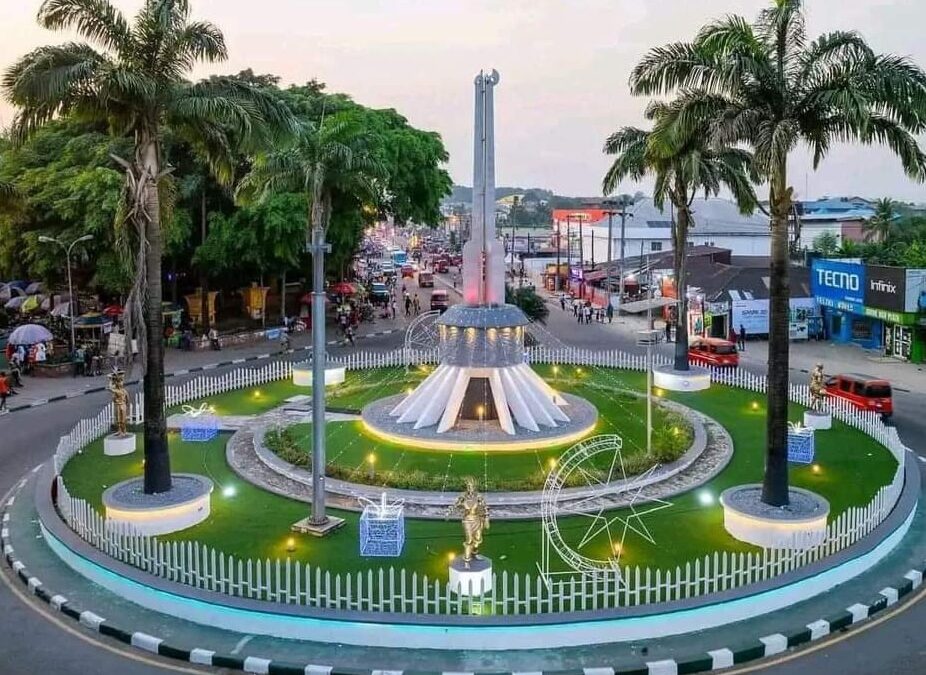
by Akinmayowa Shobo | Aug 14, 2025 | Climate Justice, ejsd-Blog
| AKWA IBOM STATE FARMER WEATHER GUIDE
2025 Seasonal Climate Prediction |
|
This information is sourced from the 2025 Seasonal Climate Prediction produced by the Nigeria Meteorological Agency (NiMet)
Analysis by: HEDA Resource Centre
|
🌧 AKWA IBOM FARMER WEATHER GUIDE 2025
Your Complete Farming Companion from NiMet
SECTION 1: UNDERSTANDING YOUR RAIN PATTERNS
For the coastal areas in Eastern Obolo and Ibeno:
Your rains will start as early as March 3 and continue until December 19. That’s 292 days of growing time with heavy rainfall reaching 2,853mm!
For farmers in Uyo and Ikot Ekpene areas:
Expect your rains between March 10-15, lasting until mid-December. You’ll get about 280 rainy days with 2,500-2,700mm water – perfect for your cassava and vegetables.
In northern areas like Ikono and Ini:
Your season runs March 13 to December 14 – slightly shorter at 276 days, but still with good 2,500mm rainfall.
SECTION 2: CRITICAL WEATHER WARNINGS
The July Dry Shock (July 21-29)
- For about 8-10 days in late July, the rains will suddenly stop. This is most dangerous for:
- Young cassava stems just planted
- Yam seedlings putting out new leaves
- Rice at flowering stage
Here’s how to protect your crops:
First, cover the soil around your plants with thick layers of dried palm fronds or grass. This acts like a blanket, keeping the soil moist. Second, if you stored rainwater in drums or pits during earlier rains, use it carefully – pour only at the base of plants, not on leaves.
The September Heat Wave
When temperatures hit 33°C with thick humidity:
- Chickens stop eating properly
- Fish in ponds gasp for air at the surface
- Goats become restless
Simple protection methods:
For poultry, mix white clay with water to make white paint and coat the roof of your chicken houses. This reflects the sun’s heat. Also, remove any blockages in your coops to allow air to flow freely.
SECTION 3: DETAILED FARMING ADVICE
For Rice Farmers (Eastern Obolo, Ibeno, Mkpat Enin):
- The flood-prone nature of your areas means you should:
- Build raised seedbeds at least 30cm high before planting in April
- Choose varieties that can survive waterlogging
- Clear your drainage channels weekly to prevent flooding
Cassava Growers (Uyo, Etinan, Nsit Ubium):
- Your best planting window is April 10-20 when soils are warm enough. Here’s how to succeed:
- Cut healthy stem cuttings about 25cm long
- Plant at an angle (45 degrees) in mounds
- Leave enough space between plants (about 1 meter)
Poultry Keepers Across All LGAs:
The high humidity requires special care:
- Reduce the number of birds in each cage by 20% during hot months
- Provide clean water in multiple locations to prevent crowding
- Clean feeders daily to prevent mold growth
SECTION 4: YOUR MONTH-BY-MONTH GUIDE
February:
- Clear all farm drains – make them at least 30cm deep
- Visit approved seed dealers to get early-maturing varieties
- Repair any broken fences to keep animals out of fields
Planting Season (March-April):
- Coastal areas: Start rice nurseries first week of April
- Inland areas: Begin cassava planting after March 20
- All farmers: Dig small water collection pits (1 per 10 plants)
Danger Period (July):
- Focus on protecting established crops
- Do not plant new seeds during the dry break
- Harvest and dry grasses for animal feed
Harvest Preparation (November):
- Dry grains thoroughly before storage – they should make a “click” sound when bitten
SECTION 5: WHERE TO GET HELP
NiMet Contact for Akwa Ibom state:
📞 NiMet Officer: Mr. William Timothy Okon
☎️ 08039095002
📩 Email: t.william@nimet.gov.ng, timmetworld@yahoo.com
🌍 To download the SCP 2025, visit NiMeT website: https://www.nimet.gov.ng/scp
Remember:
- Share this information with fellow farmers
- Call for help if you notice unusual weather
- Attend local agriculture extension meetings
- Ask Questions: If you don’t understand something, call the NiMet number.
Social Media
X: @nimetnigeria
LinkedIn, Facebook, Youtube: @Nigerian Meteorological Agency
Instagram: officialnimetng
Summary of Predicted Onset Date, Cessation Date, Length of Season and Annual Rainfall Amounts for States and Local Government Areas for Akwa Ibom state
| LGA |
Start Date |
End Date |
Rainy Days |
Annual Rainfall (mm) |
| Abak |
10-Mar |
15-Dec |
281 |
2605 |
| Eastern Obolo |
3-Mar |
19-Dec |
292 |
2853 |
| Eket |
4-Mar |
18-Dec |
289 |
2792 |
| Esit Eket |
5-Mar |
18-Dec |
289 |
2783 |
| Essien Udim |
11-Mar |
15-Dec |
278 |
2558 |
| Etim Ekpo |
9-Mar |
16-Dec |
281 |
2620 |
| Etinan |
7-Mar |
17-Dec |
285 |
2695 |
| Ibeno |
3-Mar |
19-Dec |
291 |
2831 |
| Ibesikpo Asutan |
8-Mar |
16-Dec |
283 |
2648 |
| Ibiono Ibom |
13-Mar |
14-Dec |
276 |
2507 |
| Ika |
10-Mar |
15-Dec |
280 |
2597 |
| Ikono |
13-Mar |
14-Dec |
276 |
2507 |
| Ikot Abasi |
3-Mar |
19-Dec |
291 |
2830 |
| Ikot Ekpene |
13-Mar |
14-Dec |
276 |
2511 |
| Ini |
15-Mar |
12-Dec |
272 |
2431 |
| Itu |
12-Mar |
14-Dec |
278 |
2544 |
| Mbo |
4-Mar |
18-Dec |
289 |
2795 |
| Mkpat Enin |
4-Mar |
19-Dec |
290 |
2809 |
| Nsit Atai |
7-Mar |
17-Dec |
284 |
2689 |
| Nsit Ibom |
8-Mar |
16-Dec |
283 |
2658 |
| Nsit Ubium |
6-Mar |
17-Dec |
286 |
2728 |
| Obot Akara |
13-Mar |
13-Dec |
275 |
2488 |
| Okobo |
7-Mar |
17-Dec |
285 |
2702 |
| Onna |
4-Mar |
18-Dec |
289 |
2792 |
| Oron |
6-Mar |
17-Dec |
287 |
2738 |
| Oruk Anam |
7-Mar |
17-Dec |
285 |
2691 |
| Udung Uko |
6-Mar |
17-Dec |
286 |
2729 |
| Ukanafun |
8-Mar |
16-Dec |
283 |
2649 |
| Uruan |
9-Mar |
15-Dec |
281 |
2612 |
| Urue-Offong/Oruko |
5-Mar |
18-Dec |
287 |
2750 |
| Uyo |
10-Mar |
15-Dec |
281 |
2604 |
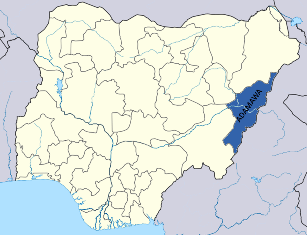
by Akinmayowa Shobo | Aug 14, 2025 | Climate Justice, ejsd-Blog
| ADAMAWA FARMER WEATHER GUIDE
2025 Seasonal Climate Prediction |
|
This information is sourced from the 2025 Seasonal Climate Prediction produced by the Nigeria Meteorological Agency (NiMet)
Analysis by: HEDA Resource Centre
|
🌧 ADAMAWA STATE FARMING WEATHER GUIDE 2025
Whether you grow crops or raise animals, this information will help you make good decisions. Let’s go through it step by step.
- WHEN THE RAINS WILL COME TO YOUR AREA
- Areas with Long Rainy Season (180+ Days)
Places like Ganye, Jada, Mayo-Belwa, Toungo:
First Rain Expected: April 29 – May 6
Last Rain Expected: November 14-18
Total Rain: 1188-1320mm
What This Means for You:
You have the longest growing season in Adamawa
Can plant both early and late season crops
Good for crops that need lots of water like rice
- Areas with Medium Rainy Season (160-180 Days)
Places like Demsa, Gombi, Numan, Yola South:
First Rain Expected: May 11-25
Last Rain Expected: October 21 – November 11
Total Rain: 951-1138mm
What This Means for You:
Enough time for most crops to grow well
Need to watch for dry spells in July/August
Good for maize, groundnuts, and beans
- Areas with Short Rainy Season (Below 160 Days)
Places like Madagali, Michika, Mubi North/South:
First Rain Expected: May 26 – June 3
Last Rain Expected: October 30 – November 1
Total Rain: 881-951mm
What This Means for You:
Shortest growing season in Adamawa
Must plant fast-growing crops
Need to store water for dry periods
- DRY PERIODS TO WATCH OUT FOR
What is a Dry Period?
This is when the rain stops completely for many days during what should be rainy season. Your crops can suffer without water.
Major Dry Periods This Year:
For Most Areas:
When: Around July 10-25
How Long: 10-15 days no rain
Danger for: Flowering crops like maize and beans
For Short-Season Areas (Madagali, Michika, Mubi):
When: August
How Long: Up to 10 days no rain
Danger for: Young sorghum and millet
- WHAT TO PLANT IN YOUR AREA
For Long Season Areas (Ganye, Jada, Toungo):
Best Crops:
Rice (near rivers)
Maize (plant before June 10)
Soybeans (plant after July dry period)
For Medium Season Areas (Demsa, Gombi, Yola):
Best Crops:
Maize (plant before June 1)
Groundnuts (plant before July 1)
Beans (plant after July rains return)
For Short Season Areas (Madagali, Michika, Mubi):
Best Crops:
Millet (plant right when first rain comes)
Cowpea (plant 10 days after millet)
Short-season sorghum (ask for 90-day varieties)
- HOW TO PROTECT YOUR CROPS
Before Dry Periods Come:
Cover the Soil: Spread dry grass or leaves on your fields (this is called mulching). It keeps soil moist like a blanket.
Save Water: Dig small holes near plants to trap rainwater.
Choose Tough Seeds: Go for drought-resistant varieties.
During Dry Periods:
Use Water Wisely: If you have stored water, use it only for most important crops.
Don’t Plant New Seeds: Wait until rains return.
Remove Weeds Carefully: Pull weeds by hand to avoid disturbing soil.
- CARE FOR YOUR ANIMALS
For All Animals:
Provide Shade: Use trees, cloth, or grass roofs over shelters.
Give Clean Water: Change water 3 times daily in hot weather.
Add Salt: A little salt in water helps animals stay healthy.
Special Advice:
Northern Areas (e.g. Madagali, Michika, Mubi):
Plan to move animals south by August
Start cutting and storing grass in July
Southern Areas (e.g. Ganye, Toungo, Mayo-Belwa):
Watch for more flies and mosquitoes after rains
Clean animal shelters more often
- WHERE TO GET HELP
NiMet Contact for Adamawa:
📞 Mr. G. K. Danye
☎️ 08035512477
📩 Email: guladanye@gmail.com, k.danye@nimet.gov.ng
🌍 To download the SCP 2025, visit NiMeT website: https://www.nimet.gov.ng/scp
Social Media
X: @nimetnigeria
LinkedIn, Facebook, Youtube: @Nigerian Meteorological Agency
Instagram: officialnimetng
Final Advice:
Don’t Guess Planting Times: Follow these dates exactly.
Share Information: Tell other farmers in your village.
Ask Questions: If you don’t understand something, call the NiMet number.
Summary of Predicted Onset Date, Cessation Date, Length of Season and Annual Rainfall Amounts for States and Local Government Areas for Adamawa state
Adamawa state
| LGA |
Start Date |
End Date |
Rainy Days |
Annual Rainfall (mm) |
| Demsa |
25-May |
11-Nov |
182 |
1097 |
| Fufore |
9-May |
12-Nov |
187 |
1143 |
| Ganye |
29-Apr |
18-Nov |
204 |
1320 |
| Girie |
24-May |
4-Nov |
165 |
965 |
| Gombi |
13-May |
10-Nov |
182 |
1095 |
| Guyuk |
19-May |
7-Nov |
172 |
1020 |
| Hong |
25-May |
4-Nov |
162 |
951 |
| Jada |
2-May |
16-Nov |
198 |
1258 |
| Jimeta |
11-May |
12-Nov |
185 |
1127 |
| Lamurde |
15-May |
9-Nov |
178 |
1068 |
| Madagali |
3-Jun |
30-Oct |
149 |
881 |
| Maiha |
19-May |
7-Nov |
172 |
1016 |
| Mayo-Bel |
4-May |
15-Nov |
195 |
1220 |
| Michika |
30-May |
1-Nov |
155 |
909 |
| Mubi North |
26-May |
3-Nov |
161 |
943 |
| Mubi South |
26-May |
4-Nov |
161 |
941 |
| Numan |
14-May |
10-Nov |
180 |
1084 |
| Shelleng |
20-May |
6-Nov |
170 |
1001 |
| Song |
19-May |
7-Nov |
173 |
1021 |
| Toungo |
6-May |
14-Nov |
192 |
1188 |
| Yola North |
27-May |
17-Oct |
185 |
1124 |
| Yola South |
24-May |
21-Oct |
186 |
1138 |

by Akinmayowa Shobo | Jun 18, 2025 | Climate Justice
On Biodiversity Conservation
It is not uncommon if you grew home in most African societies to have a couples of herbal mixture. In Nigeria for instance; popular herbal formulation in the Yoruba tradition includes agbo iba, epo ilu, oogun ife. In the Igbo tradition, there is Ofe Akwu Ocha, Mmiri Oku while in the Hausa tradition, garin maggi and kanwa ciki. These formulations are carefully chosen by a native doctor versed in traditional knowledge from an indigenous community. The indigenous medicine person is able to combine different seeds, fruits and plant parts for their post-partum care, immune-boosting and blood-cleansing properties. Some herbs are sweet-tasting and yummy; others are sour. And there are various ways to administer these medicines to ensure the potency of the medicine is realized.
I started this article with the taste of herbs because it is one of the most relatable ways of people’s life. Whether you live in the city or in the village, we all come from a tribe bound by ancestral values. Everyone belongs to a social group that agree to the same belief, food, art, music, etcetera. That is just the way we are! We are tribal.
Being tribal is not what this discourse is about. We want to cast a reverent look on how are helping to solve climate change and lessen the effects of climate disruptions. One area of economic and cultural life that comes to mind is in how we care for our Earth. Often times, we seem to forget that asides humans, there are other forms of life going on around us. Stop and listen to the sounds of the wind or the whooshing of the sea or fluttering of the butterfly wings or the quick pace of the line of anthropoda. In the midst of the honks from city traffic and the grinding sound of the large tractor rubber tires, the sound of the rare monkeys and the bloom of a thousand heads of flowers is totally ignored.
As modernism takes hold of our senses and the power of advanced technology is being realized every day, the need to leverage the kind of esoteric traditional knowledge that has always been available to solve real-life issues, including that caused by climate changes is apparent.
Climate disruptions accelerated by our new way of life starting particularly from the industrial era has been implicated in some of the major issues in today’s world including frequent occurrence of natural disasters, displacement of lives and properties, loss of livelihood, extinction of plants and animals. On a grand scale, this has led to economic and political instability across the world.
There are solutions especially with the unveiling of artificial intelligence or other super technology but they often come at a price in terms of financial cost while breeding other forms of inequalities. This is why it is important for us to think backwards…towards traditional knowledge.
As mentioned earlier, plants, animals, micro-organisms including viruses play an important role to maintain a natural balance, that humans mostly benefit from for our survival. It is therefore important to consider creative ways indigenous people from various tribes of the world are able to contribute to preserving nature while co-existing with the natural resources Nature freely provides.
Members of Indigenous communities, meaning communities that have existed for thousands of years within a geographical space; have long been known to have certain ‘secret’ information about our environment. These tribes have learned to live in harmony with the Nature by observing trends, and patterns, being curious and translating information gained into bylaws that govern their engagement with other life forms with their environment. Just like with science, in natural balance, matter is neither created nor destroyed. In most native settings, everything used have a way it must be regenerated! Tribes living in indigenous communities have very specific knowledge about the properties of plants, animals and other biodiversity that have survived generations.
Of Sacred Groove and Rivers
Local tribes and indigenous communities have knowledge of local vegetation management. In some communities, people create sacred grooves, corridors, rivers, trees and determine what natural resources needs to be protected. In some well-known cultures, it is a taboo for certain snakes to be killed. Some animals are symbolic to certain elements of cultures such as Doves, Cattle, Snakes. In these communities, there is even an oral tradition on how to nurture such natural resources.
For plants on the other hand, to avoid waste, these natives know exactly what part of the plant is necessary for health and cosmetics. If you need seeds or the stem bark of a tree, you do not really have to fell the whole tree! Furthermore, the evidence is almost rock-solid among natives that have observed that if a certain plant or animal is taken out of its natural environment, such disruption could lead to the death of other parts of the ecosystem.
There are several examples of common Sacred Grooves and Rivers across Africa after the article.
Agrobiodiversity
The tribals know how to preserve seeds and plant parts. They know the ideal climatic conditions suitable for cultivation, and what irrigation systems are well-suited for various kinds of plants. Not all plants require the same level of water, heat, or light! With such knowledge, the water resources and other forms of energy are managed and redistributed for other uses.
Traditional Ethos
Accordingly, many cultures have unique traditional ethos, which makes it ‘ungodly’ to pollute the water bodies or land. Members have the utmost respect, almost like an uncanny reverence for biodiversity, whether for plants or animals. Can you imagine collected refuse and garbage from people’s homes dumped into the sea? As primordial and less advanced as these communities are, there is several evidence that attests to their belief in the ecological importance of natural resources, including reforestation. You may call it a belief system, but there is a traditional model of keeping order that has associated mismanagement of natural resources with a punishment from God.
Role of Women
The role of women in this tradition system in biodiversity conservation must also be mentioned. Many indigenous societies have long acknowledged the role of women as nurturers skilled in the art and science of horticulture, collection and processing of medicinal plants and the conservation of natural resources.
LEARNING FROM THE PAST
What more can we learn from the indigenous communities with respect to protecting Earth’s biodiversity? Taking a critical look at how an unsustainable lifestyle, aided by a rapidly changing world, is depleting our natural resources, I would stay within 4 areas:
Modernization and displacement of traditional communities:
As tribal people are displaced, whatever knowledge of the biodiversity of natural resources they had is gone too. I feel this is also the same trend of things when we despise traditional knowledge due to modernization.
Land Use Crises:
Communities in the Global North and South are currently experiencing this phenomenon. The agenda of State authorities and the tribals are often conflicting. When the issues on land preservation are not well-managed, it leads to conflicts between both parties. In most cases, the conflict of ideas with management of natural resources results in a lose-lose situation. In the end, indigenous communities who have been the custodians gradually begin to feel weary about protecting their environment. This lack of motivation has been blamed for the loss of trade associated with certain localities and livelihood. There are many examples of the management issues with the protection of nature reserves and protected sites across the world.
Less Support from Government Agencies:
Low morale from indigenous communities to protect the biodiversity due to historic low commitment by government.
Communication Gap with the Elders and Young People:
As times go by, young people are moving away from indigenous and rural communities and are increasingly having less contact with elderly tribesmen. This has led to an evident communication gap between elders and youth, and knowledge is not transmitted properly. In addition to all of these, it is important to mention the inevitable dynamics of changes in environmental conditions in response to the science of climate change.
LEVERAGING TRADITIONAL KNOWLEDGE FOR BIODIVERSITY CONSERVATION
This sections spotlights what scientists and advocates are saying. Some of their positions are as described here.
Documentation of Indigenous Knowledge:
This is essential because when we put down information such as data on what plant, practice, animal skin is used for what purpose, the advantage of this documentation is that global institutions (such as UNESCO and WIPO) have access to the information on biodiversity for safe keep. The knowledge of the traditional society from where the information is collected is ascertained.
Another related area is the need to allow oral tradition thrive. This will require allowing the tribes people play an integral role in the historical information preservation process.
Translation of Local Knowledge into Formal Scientific Terminology:
There is a need for more people, including researchers in the local region, to be trained to able to translate local knowledge and transmit the information to a broader audience.
Open Access for Local Content on Biodiversity Conservation:
Many local knowledge practitioners are isolated and do not really have access to innovative models of transmitting the information they have. If there are platforms where practitioners of local knowledge can meet and share knowledge.
Developing Clear and Concise Educational Material on Traditional Knowledge Systems:
The need to have some kind of research, project, or manual has been recommended. At the moment, less attention in terms of literature is given on various traditional knowledge of biodiversity from different localities.
If the traditional knowledge is integrated into schools or in our educational materials, the traditional knowledge on biodiversity can be made popular and amplified to more communities. This is why more traditional knowledge digital libraries are needed in support of local knowledge being accessible by the topic.
To make the plan for a traditional knowledge digital repository more robust however, certain issues need to be adequately addressed (1) Biopiracy or misuse of traditional knowledge (2) fair and equitable sharing of benefits derived from diversity and associated traditional knowledge (3) Dialogue among key actors such as between scientific community and the traditional knowledge custodians to devise means to protect traditional knowledge.
Oftentimes, knowledge is shared by tribal communities but nothing tangible really comes to them in terms of benefits. They are left out while their contribution is not really acknowledged in term of finance. In the worst scenario, sharing traditional knowledge on the rich biodiversity in a community has been followed by overexploitation of the natural resources to the detriment of the local community. Unfortunately, this is currently happening in several regions, where the contributions of local and indigenous communities to biodiversity conservation are not acknowledged.
The truth is this may continue unabetted if traditional knowledge custodians are not empowered to share their stories. Acknowledging the contributions of traditional knowledge custodians on biodiversity is not only sustainable for the benefit of the local economy of the communities, it ensures that such effective traditions are not lost overtime while giving due credit to the source of the indigenous knowledge.
Other Useful Information
Sacred Grooves and Rivers and nature reserves are excellent ways of protecting biodiversity. See examples of indigenous communities contributing to net-zero target from the Africa region below.
Sacred Groves:
– The Kaya forests – These are coastal forests in Kenya and Tanzania that are considered sacred by the Mijikenda ethnic groups. The forests are home to graves of ancestors and are used for cultural and religious rituals. – Bosoumo and Gahaya sacred forests – Located in southeastern Côte d’Ivoire, these forests are protected by local Baoule communities as the burial sites of their ancestors. They perform rituals in the forests. – Osun-Osogbo Sacred Grove – A UNESCO World Heritage Site in Nigeria. It is a sacred forest along the Osun river dedicated to Osun, the Yoruba goddess of fertility. It has shrines, sculptures, and art honoring Osun and other Yoruba deities.
Sacred Rivers:
– The Nile River – Considered a sacred river in both ancient and modern Egypt. Associated with Egyptian mythology about the afterlife. – The Niger River – Has spiritual significance for many ethnic groups in West Africa like the Igbo and Yoruba who believe the river is a god. It features in folklore and rituals. – The Zambezi River – Regarded as a sacred river by the Tonga people living along it in Zambia and Zimbabwe. They have various myths and beliefs associated with it. – The Kasai and Congo Rivers – Considered sacred by locals in their respective regions of Central Africa. The Congo is associated with spirits and mystical creatures in Congo traditions.