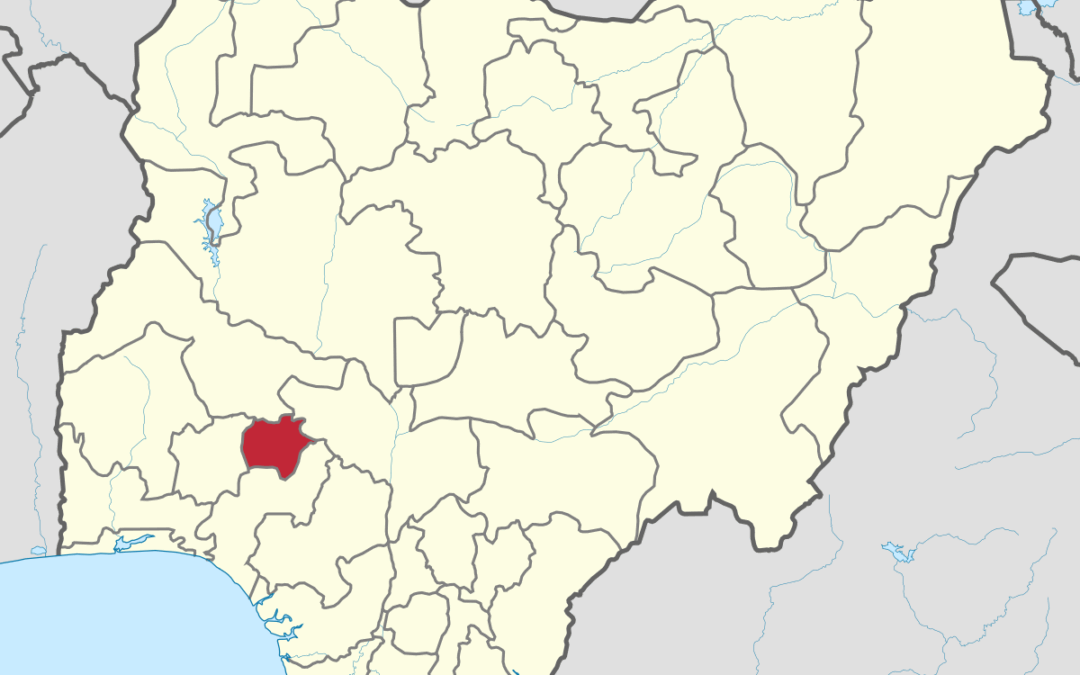
by Akinmayowa Shobo | Aug 15, 2025 | Climate Justice, ejsd-Blog
| EKITI STATE FARMER WEATHER GUIDE
2025 Seasonal Climate Prediction |
|
This information is sourced from the 2025 Seasonal Climate Prediction produced by the Nigeria Meteorological Agency (NiMet)
Analysis by: HEDA Resource Centre
|
🌧 EKITI STATE COMPREHENSIVE FARMING GUIDE 2025
This guide explains exactly what this year’s weather means for your crops, fish ponds and livestock.
RAINFALL DISTRIBUTION EXPLAINED
(Understanding Your Local Weather Pattern)
For Southern Farmers (Ado-Ekiti, Ikere, Irepodun/Ifelodun):
The rains will begin between April 11-17 and continue until November 24-26, giving you 215-224 days of growing season. You’ll receive about 1513-1579mm of rainfall
For Central Farmers (Ekiti West, Ijero, Efon):
Expect first rains April 14-20 and last rains around November 22-24. Your 214-221 rainy days with 1472-1539mm rainfall means you’ll have slightly less water than southern areas, but still enough for good harvests if managed well.
For Northern Farmers (Ikole, Oye, Moba):
Your rains start latest (April 16-22) and end earliest (November 21-23). With 212-220 rainy days and 1445-1512mm rain, you have the shortest season. Every drop counts – plant early and conserve water!
CROP ADVICE
(Tailored Recommendations for Major Crops)
Yam Cultivation (Dioscorea spp.)
Planting Timing: The ideal window is April 15-May 15, when soil moisture is perfect.
Mound Preparation: Build mounds 60cm high and 1m wide to prevent waterlogging that causes tuber rot.
Critical Care: Apply wood ash (2 handfuls per mound) to protect against pests and diseases.
Cassava Farming (Manihot esculenta)
Planting Period: From April through July, but earlier planting gives better yields.
Proper Spacing: Maintain 1m between plants to allow sunlight penetration and air flow.
Weeding Schedule: Weed 3 times – at 2 weeks, 6 weeks, and 12 weeks after planting.
Maize Production (Zea mays)
Optimal Planting: April 20-May 10 ensures enough moisture for germination.
Dry Spell Protection: When the May-June dry period comes, use dry grass mulch around plants to conserve moisture.
Cocoa Farming (Theobroma cacao)
Pruning Importance: Complete pruning February-March to allow sunlight into the canopy.
Disease Watch: After heavy rains, inspect pods daily for black pod disease – remove and destroy infected pods immediately.
LIVESTOCK MANAGEMENT GUIDE
(Keeping Your Animals Healthy Through the Seasons)
Poultry Farmers:
- Heat Stress Prevention:
- Reduce stocking density by 20% during hot months
- Provide cool, clean water 3 times daily (morning, noon, evening)
- Install shade nets over pens to reduce temperature
Goat and Sheep Rearers:
Rainy Season Care:
- Build raised wooden platforms (30cm high) to keep animals dry
- Deworm every 3 months (February, May, August, November)
- Store hay and grasses during rainy season for dry season feed
Fish Farmers:
Pond Management:
- Strengthen pond walls with compacted soil before heavy rains
- Reduce feeding by 50% when water temperature exceeds 30°C
- Install overflow pipes to prevent flooding during heavy rains
CRITICAL WEATHER PERIODS & PROTECTION
- May-June Dry Spell (May 20 – June 5)
Most Vulnerable Crops:
- Newly planted maize (2-4 weeks old)
- Young vegetable seedlings
- Recently transplanted tree crops
Protection Methods:
Before dry spell:
- Apply 5cm thick mulch of dry grass around plants
- Dig small water collection pits (1m deep) near fields
During dry spell:
- Water plants early morning (5-7am) when evaporation is lowest
- Prioritize water for most valuable crops
- August Break (July 24 – August 7)
Most Affected Activities:
- Cassava tuber formation
- Rice flowering and grain filling
- Livestock water availability
Preparation Advice:
For crops:
- Complete fertilizer application by July 10
- Weed thoroughly before dry period begins
For animals:
- Store enough water (minimum 50L per cow daily)
- Cut and store grasses in July
April-May (Planting Season):
- Clear and prepare all farmlands
- Plant yam, cassava, and early maize
- Establish vegetable nurseries
- Begin regular weeding
June-July (Growth Period):
- Apply fertilizers to growing crops
- Monitor for pests and diseases
- Prepare water conservation methods
- Start harvesting early vegetables
August-September (Critical Care):
- Implement dry spell protection
- Continue pest monitoring
- Begin harvesting early crops
- Cut and store animal feed
October-November (Harvest & Preparation):
- Complete main harvests
- Process and store crops properly
- Prepare fields for dry season farming
- Deworm all livestock
SECTION 5: WHERE TO GET HELP
NiMet Ekiti Officer:
📞 Mr. Lawal Oludare
☎️ 08068380251
📧 o.lawal@nimet.gov.ng
🌍 To download the SCP 2025, visit NiMeT website: https://www.nimet.gov.ng/scp
Remember:
- Share this information with fellow farmers
- Call for help if you notice unusual weather
- Attend local agriculture extension meetings
- Ask Questions: If you don’t understand something, call the NiMet number.
- For farmers in riverine areas, prepare for possible floods
- All farmers – watch for the August break
Social Media
X: @nimetnigeria
LinkedIn, Facebook, Youtube: @Nigerian Meteorological Agency
Instagram: officialnimetng
Summary of Predicted Onset Date, Cessation Date, Length of Season and Annual Rainfall Amounts for States and Local Government Areas for Ekiti state
| LGA |
Start Date |
End Date |
Rainy Days |
Annual Rainfall (mm) |
| Ado-Ekiti |
17-Apr |
25-Nov |
222 |
1556 |
| Efon |
17-Apr |
24-Nov |
221 |
1539 |
| Ekiti East |
19-Apr |
24-Nov |
219 |
1513 |
| Ekiti South West |
16-Apr |
25-Nov |
224 |
1579 |
| Ekiti West |
18-Apr |
24-Nov |
220 |
1531 |
| Emure/Ise/Orun |
14-Apr |
26-Nov |
226 |
1607 |
| Aiyekire (Gbonyin) |
17-Apr |
25-Nov |
222 |
1553 |
| Ido/Osi |
15-Apr |
23-Nov |
216 |
1476 |
| Ijero |
20-Apr |
23-Nov |
217 |
1493 |
| Ikere |
15-Apr |
26-Nov |
225 |
1593 |
| Ikole |
21-Apr |
23-Nov |
216 |
1472 |
| Ilejemeji |
21-Apr |
22-Nov |
215 |
1456 |
| Irepodun/Ifelodun |
18-Apr |
24-Nov |
220 |
1528 |
| Ise/Orun |
14-Apr |
26-Nov |
226 |
1607 |
| Moba |
22-Apr |
22-Nov |
214 |
1445 |
| Oye |
20-Apr |
23-Nov |
216 |
1477 |
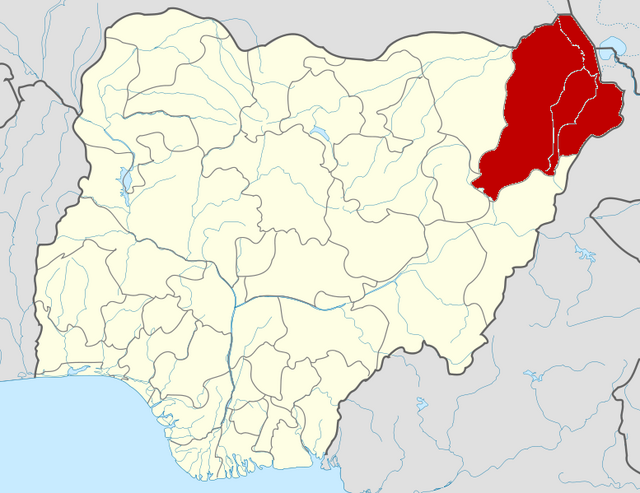
by Akinmayowa Shobo | Aug 14, 2025 | Climate Justice, ejsd-Blog
| BORNO STATE FARMER WEATHER GUIDE
2025 Seasonal Climate Prediction |
|
This information is sourced from the 2025 Seasonal Climate Prediction produced by the Nigeria Meteorological Agency (NiMet)
Analysis by: HEDA Resource Centre
|
🌧 BORNO STATE FARMING WEATHER GUIDE 2025
Whether you grow crops or raise animals, this information will help you make good decisions. Let’s go through it step by step.
WHEN THE RAINS WILL COME TO YOUR AREA
Areas with very Short Rainy Season (About 3 Months)
Places like Monguno, Kukawa, Abadam:
- First Rain Expected: Between July 12-25
- Last Rain Expected: Around October 12-18
- Total Rain: About 450-475mm
What This Means for You:
- You have very little time between when rains start and stop
- The soil will dry out quickly after rains end
- You must act fast when rains begin
Areas With Medium Rainy Season (About 4 Months)
Places like Maiduguri, Jere, Konduga:
- First Rain Expected: June 18-24
- Last Rain Expected: October 21-24
- Total Rain: About 460-470mm
What This Means for You:
- More time to grow crops than northern areas
- Still need to plant at the right time
- Will face a dry period in July
Areas with Longest Rainy Season (About 5 Months)
Places like Biu, Askira/Uba, Hawul:
- First Rain Expected: May 28 – June 2
- Last Rain Expected: Around November 2
- Total Rain: About 770-870mm
What This Means for You:
- Longest time to grow crops in Borno
- More rain means more plant growth
- But also more weeds and pests
DRY PERIODS TO WATCH OUT FOR
What is a Dry Period?
This is when the rain stops completely for many days during what should be rainy season. Your crops can suffer without water.
Major Dry Periods This Year:
For Biu, Askira/Uba Areas:
When: Around June 15-25
How Long: About 10 days no rain
Danger for: Newly planted maize and groundnuts
For Bama, Gwoza, Dikwa Areas:
When: July 5-25
How Long: Up to 21 days no rain!
Danger for: Crops that are flowering
For Monguno, Kukawa Areas:
When: August
How Long: About 15 days no rain
Danger for: Young sorghum and cowpea
WHAT TO PLANT IN YOUR AREA
For Short Season Areas (Monguno, Kukawa):
Best Crops:
Millet (plant right when first rain comes)
Cowpea (plant 10 days after millet)
Short-season sorghum (ask for 90-day varieties)
For Medium Season Areas (Maiduguri, Jere):
Best Crops:
Early maize (plant before June 20)
Groundnuts (plant before July 1)
Beans (plant after July rains return)
For Long Season Areas (Biu, Askira/Uba):
Best Crops:
Maize (plant before June 10)
Rice (if near rivers)
HOW TO PROTECT YOUR CROPS
Before Dry Periods Come:
Cover the Soil: Spread dry grass or leaves on your fields (this is called mulching). It keeps soil moist like a blanket.
Save Water: Dig small holes near plants to trap rainwater.
Choose Tough Seeds: Ask for drought-resistant varieties.
During Dry Periods:
Use Water Wisely: If you have stored water, use it only for most important crops.
Don’t Plant New Seeds: Wait until rains return.
Remove Weeds Carefully: Pull weeds by hand to avoid disturbing soil.
CARE FOR YOUR ANIMALS
For All Animals:
Provide Shade: Use trees, cloth, or grass roofs over shelters.
Give Clean Water: Change water 3 times daily in hot weather.
Add Salt: A little salt in water helps animals stay healthy.
Special Advice:
Northern Areas (Monguno, Kukawa):
Plan to move animals south by August
Start cutting and storing grass in July
Southern Areas (Biu, Askira/Uba):
Watch for more flies and mosquitoes after rains
Clean animal shelters more often
SECTION 5: WHERE TO GET HELP
NiMet Contact for Borno:
📞 Mallam Bukar Majir
☎️ 08036478388
📩 Email: b.maijiri@nimet.gov.ng, bukarmaijir@gmail.com
🌍 To download the SCP 2025, visit NiMeT website: https://www.nimet.gov.ng/scp
Remember:
- Share this information with fellow farmers
- Call for help if you notice unusual weather
- Attend local agriculture extension meetings
- Ask Questions: If you don’t understand something, call the NiMet number.
Social Media
X: @nimetnigeria
LinkedIn, Facebook, Youtube: @Nigerian Meteorological Agency
Instagram: officialnimetng
Summary of Predicted Onset Date, Cessation Date, Length of Season and Annual Rainfall Amounts for States and Local Government Areas for Borno state
| LGA |
Start Date |
End Date |
Rainy Days |
Annual Rainfall (mm) |
| Abadam |
12-Jul |
9-Oct |
78 |
495 |
| Askira/Uba |
31-May |
31-Oct |
141 |
848 |
| Bama |
13-Jun |
25-Oct |
122 |
477 |
| Bayo |
28-May |
2-Nov |
146 |
873 |
| Biu |
1-Jun |
31-Oct |
140 |
842 |
| Chibok |
2-Jun |
30-Oct |
138 |
733 |
| Damboa |
7-Jun |
28-Oct |
131 |
703 |
| Dikwa |
19-Jun |
21-Oct |
113 |
459 |
| Gubio |
30-Jun |
15-Oct |
96 |
456 |
| Guzamala |
2-Jul |
14-Oct |
92 |
461 |
| Gwoza |
7-Jun |
30-Oct |
130 |
702 |
| Hawul |
29-May |
2-Nov |
145 |
771 |
| Jere |
18-Jun |
21-Oct |
114 |
462 |
| Kaga |
14-Jun |
24-Oct |
120 |
473 |
| Kala/Balge |
22-Jun |
20-Oct |
108 |
455 |
| Konduga |
13-Jun |
23-Oct |
119 |
469 |
| Kukawa |
4-Jul |
13-Oct |
89 |
466 |
| Kwaya Kusar |
28-May |
2-Nov |
140 |
779 |
| Mafa |
20-Jun |
21-Oct |
110 |
457 |
| Magumeri |
22-Jun |
19-Oct |
107 |
454 |
| Maiduguri |
18-Jun |
22-Oct |
114 |
461 |
| Marte |
25-Jun |
18-Oct |
102 |
473 |
| Mobbar |
7-Jul |
12-Oct |
84 |
475 |
| Monguno |
28-Jun |
17-Oct |
99 |
454 |
| Ngala |
24-Jun |
19-Oct |
105 |
453 |
| Nganzai |
27-Jun |
17-Oct |
104 |
453 |
| Shani |
25-May |
4-Nov |
151 |
806 |
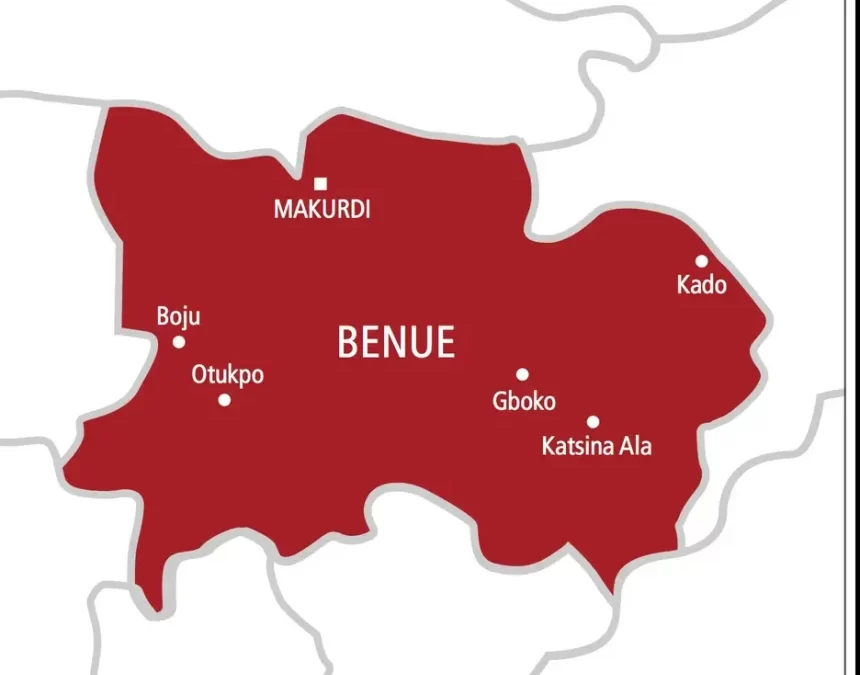
by Akinmayowa Shobo | Aug 14, 2025 | Climate Justice, ejsd-Blog
| BENUE STATE FARMER WEATHER GUIDE
2025 Seasonal Climate Prediction |
|
This information is sourced from the 2025 Seasonal Climate Prediction produced by the Nigeria Meteorological Agency (NiMet)
Analysis by: HEDA Resource Centre
|
🌧 BENUE FARMER WEATHER GUIDE 2025
This guide explains this year’s weather patterns and how they will affect your farming activities
SECTION 1: RAIN CALENDAR FOR BENUE STATE
For Yam Growing Areas (Kwande, Vandeikya, Ushongo):
First Rains: Between April 25 and May 7
Last Rains: Between November 10 and 24
Total Growing Days: 190 to 200 days
Rainfall Amount: 1,800 to 1,850mm
What this means for you:
You have the longest growing period in Benue – enough time to plant early yams and still grow a second crop like maize or beans afterwards. The heavy rainfall will provide plenty of water for your crops, but you need to manage it well to prevent erosion.
For Middle Belt Areas (Gboko, Tarka, Buruku):
First Rains: Between May 3 and 8
Last Rains: Between November 23 and 27
Total Growing Days: 177 to 178 days
Rainfall Amount: 1,480 to 1,630mm
What this means for you:
Good conditions for both yam and cassava production. The rains are generally reliable but you must prepare for the dry period in July.
For Riverine Areas (Makurdi, Guma, Agatu):
First Rains: Between May 19 and 21
Last Rains: Around November 30
Total Growing Days: 161 to 167 days
Rainfall Amount: 1,210 to 1,550mm
What this means for you:
Shorter growing season – focus on fast-maturing crop varieties. Be prepared for possible flooding near rivers.
SECTION 2: IMPORTANT WEATHER WARNINGS
- The July Dry Period (July 15-25)
- For about 10 days in the middle of July, the rains will stop completely. This is most dangerous for:
- Maize crops when they are forming cobs
- Rice plants during their flowering stage
- Vegetable crops in their early growth phases
How to protect your crops during this dry spell:
- Before July, cover the soil around your plants with a thick layer (about 5cm) of dry grass or leaves. This covering (called mulch) helps keep the soil moist.
- If you have stored any rainwater in containers or pits, use it carefully during this period – pour it only at the base of your most valuable plants.
- Avoid planting any new seeds during these 10 dry days – wait until the rains return.
The September Heat Period
When temperatures rise to about 35°C with high humidity:
- Chickens will eat less feed and lay fewer eggs
- Pigs may become stressed and eat less
- Goats may become less active and seek shade
How to help your animals during the heat:
- Make poultry houses cooler by painting the roofs white (mix local clay with water to make whitewash)
- Provide clean, fresh water for all animals at least three times daily
- Create shaded areas where animals can rest during the hottest hours (10am to 3pm)
SECTION 3: FARMING ADVICE
For Yam Farmers:
- Preparing Your Land (March-April):
- Clear your farmland early, removing all weeds and bushes
- Create mounds about 1 meter apart to give your yams space to grow
- Mix well-rotted animal manure or compost into the soil before planting
Planting Your Yam (May):
- Select healthy yam setts (planting pieces) about 30cm long
- Plant each sett at a 45-degree angle in the mound
- Cover properly with soil, leaving just the tip showing
Caring for Your Yam During the Season:
- Remove weeds regularly to prevent competition
- Provide strong stakes for the vines to climb
- Watch carefully for signs of termites or other pests
For Rice Farmers:
Choosing the Right Rice Type:
- In flood-prone areas near rivers, select rice varieties that can tolerate standing water
- In upland areas, choose varieties that grow well in well-drained soils
Best Planting Times:
- Prepare your nursery beds between May 20-30
- Transplant the young rice plants to the main field between June 20-30
Managing Water in Your Rice Field:
- Maintain about 5cm of water in the field during growth
- Drain the field completely about 2 weeks before harvest time
For Cassava Farmers:
- Plant your cassava cuttings between May and June
- Space the plants about 1 meter apart to give them room to grow
- Weed your cassava farm at least twice during the growing season
SECTION 4: LIVESTOCK CARE GUIDE
For Poultry Farmers:
- Reduce the number of birds in each cage during hot weather to prevent overcrowding
- Clean all water containers daily to prevent disease
- Follow the recommended vaccination schedule for your chickens
For Goat and Sheep Farmers:
- Give your animals deworming medicine in May and again in September
- Provide mineral blocks for your animals to lick
- Cut and store grass in August to use as feed during drier periods
For Pig Farmers:
- Create muddy wallows where pigs can cool themselves
- Feed your pigs during the cooler hours of early morning and late evening
- Watch for signs of heat stress like heavy panting
SECTION 5: MONTHLY FARMING CALENDAR
February-March:
☑️ Clear and prepare your farmlands
☑️ Purchase good quality seeds from trusted sources
April-May:
🌱 Plant your early yams and maize crops
💧 Dig small pits near your crops to collect rainwater
June-July:
⚠️ Be prepared for the July dry period
🌾 Remove weeds thoroughly from your rice fields
August-September:
🐐 Cut and store grass for animal feed
🌽 Harvest your early maize crops
October-November:
📦 Harvest and store your yams properly
🍚 Process and bag your rice harvest
SECTION 5: WHERE TO GET HELP
📞NiMet Benue Officer: Mr. Abedoh Tijani
☎️ 08066676435
📩 Email: a.ahamaddtijani@nimet.gov.ng, abedohahmad@gmail.com
🌍 To download the SCP 2025, visit NiMeT website: https://www.nimet.gov.ng/scp
Remember:
- Share this information with fellow farmers
- Call for help if you notice unusual weather
- Attend local agriculture extension meetings
- Ask Questions: If you don’t understand something, call the NiMet number.
Social Media
X: @nimetnigeria
LinkedIn, Facebook, Youtube: @Nigerian Meteorological Agency
Instagram: officialnimetng
Summary of Predicted Onset Date, Cessation Date, Length of Season and Annual Rainfall Amounts for States and Local Government Areas for Benue state
| LGA |
Start Date |
End Date |
Rainy Days |
Annual Rainfall (mm) |
| Ado |
25-Apr |
10-Dec |
190 |
1824 |
| Agatu |
10-May |
23-Nov |
167 |
1482 |
| Apa |
7-May |
23-Nov |
172 |
1646 |
| Buruku |
3-May |
27-Nov |
177 |
1482 |
| Gboko |
3-May |
27-Nov |
178 |
1629 |
| Guma |
3-May |
27-Nov |
167 |
1546 |
| Gwer East |
3-May |
26-Nov |
177 |
1629 |
| Gwer West |
3-May |
27-Nov |
171 |
1546 |
| Katsina-Ala |
3-May |
27-Nov |
178 |
1639 |
| Konshisha |
28-Apr |
29-Nov |
185 |
1752 |
| Kwande |
25-Apr |
10-Dec |
190 |
1822 |
| Logo |
8-May |
24-Nov |
169 |
1521 |
| Makurdi |
21-May |
30-Nov |
161 |
1210 |
| Obi |
28-Apr |
30-Nov |
186 |
1764 |
| Ogbadibo |
28-Apr |
30-Nov |
186 |
1760 |
| Ohimini |
1-May |
28-Nov |
181 |
1684 |
| Oju |
26-Apr |
1-Dec |
189 |
1806 |
| Okpokwu |
28-Apr |
29-Nov |
186 |
1760 |
| Oturkpo |
2-May |
27-Nov |
180 |
1669 |
| Tarka |
7-May |
23-Nov |
172 |
1559 |
| Ukum |
7-May |
23-Nov |
172 |
1551 |
| Ushongo |
28-Apr |
29-Nov |
185 |
1748 |
| Vandeikya |
26-Apr |
1-Dec |
189 |
1817 |
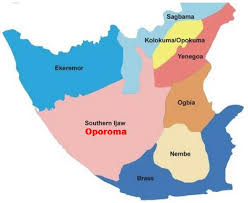
by Akinmayowa Shobo | Aug 14, 2025 | Climate Justice, ejsd-Blog
| BAYELSA STATE FARMER WEATHER GUIDE
2025 Seasonal Climate Prediction |
|
This information is sourced from the 2025 Seasonal Climate Prediction produced by the Nigeria Meteorological Agency (NiMet)
Analysis by: HEDA Resource Centre
|
🌧 BAYELSA FARMER WEATHER GUIDE 2025
This guide explains exactly what this year’s weather means for your crops, fish ponds and livestock.
SECTION 1: UNDERSTANDING YOUR RAIN PATTERNS
For farmers in coastal areas like Brass and Southern Ijaw:
Your rains will start March 1-4 and continue until December 19-20 – giving you 290-293 growing days with heavy rainfall of 2,800-2,900mm.
For central areas like Yenagoa and Kolokuma/Opokuma:
Expect rains between March 11-12, lasting until December 15. You’ll get 278-279 rainy days with 2,500-2,600mm – ideal for swamp rice.
In slightly elevated areas like Sagbama:
Your season runs March 12 to December 14 – still long at 277 days, with 2,535mm rainfall.
SECTION 2: CRITICAL WEATHER WARNINGS
The July Flood Risk (July 10-25)
During peak rainfall:
- Low-lying farms may flood
- Fish ponds could overflow
- Waterlogged soils damage roots
Protection methods:
- Build raised beds (at least 50cm high)
- Reinforce pond walls with sandbags
- Plant flood-tolerant varieties
The September High Tides
When ocean tides combine with rains:
- Saltwater may enter some farms
- Fish in brackish ponds face stress
- Coastal crops risk salt damage
Prevention tips:
- Monitor water salinity weekly
- Create freshwater buffer zones
- Harvest vulnerable crops early
SECTION 3: FARMING ADVICE
For Swamp Rice Farmers (All Areas):
- Plant FARO 44/52 varieties by April 10
- Maintain proper water levels (15-20cm)
- Control weeds with selective flooding
For Fish Farmers:
- Stock ponds by May 1
- Install overflow pipes
- Use floating feeds during floods
For Plantain/Cocoyam Growers:
- Plant on mounds in flood-prone areas
- Use mulch to control weeds
- Stake plantains before windy seasons
SECTION 4: MONTH-BY-MONTH GUIDE
February-March:
☑️ Clear waterways and drains
☑️ Prepare rice nurseries
April-May:
🌱 Transplant rice seedlings
🐟 Stock fish ponds
July-August:
⚠️ Monitor flood warnings daily
⚠️ Secure fishing equipment
November-December:
📦 Dry and smoke fish harvests
🍌 Harvest mature plantains
SECTION 5: EXPERT SUPPORT
📞 NiMet Bayelsa: Mr. Olatunde Bakare – 08039632455
📞 State Agriculture: 0907-XXX-XXXX
📩 Text BAYELSA to 1234
🌍 www.nimet.gov.ng/bayelsa2025
SECTION 5: WHERE TO GET HELP
📞 NiMet Bayelsa: Mr. Olatunde Bakare
☎️ 08039632455, 08027649131
📩 Email: toondayscott@gmail.com
🌍 To download the SCP 2025, visit NiMeT website: https://www.nimet.gov.ng/scp
Remember:
- Share this information with fellow farmers
- Call for help if you notice unusual weather
- Attend local agriculture extension meetings
- Ask Questions: If you don’t understand something, call the NiMet number
Social Media
X: @nimetnigeria
LinkedIn, Facebook, Youtube: @Nigerian Meteorological Agency
Instagram: officialnimetng
Summary of Predicted Onset Date, Cessation Date, Length of Season and Annual Rainfall Amounts for States and Local Government Areas for Bayelsa state
| LGA |
Start Date |
End Date |
Rainy Days |
Annual Rainfall (mm) |
| Brass |
1-Mar |
20-Dec |
293 |
2890 |
| Ekeremor |
8-Mar |
19-Dec |
284 |
2684 |
| Kolokuma/Opokuma |
11-Mar |
15-Dec |
278 |
2635 |
| Nembe |
2-Mar |
19-Dec |
292 |
2827 |
| Ogbia |
6-Mar |
16-Dec |
287 |
2654 |
| Sagbama |
12-Mar |
14-Dec |
277 |
2535 |
| Southern Ijaw |
4-Mar |
19-Dec |
290 |
2818 |
| Yenagoa |
11-Mar |
15-Dec |
279 |
2562 |

by Akinmayowa Shobo | Aug 14, 2025 | Climate Justice, ejsd-Blog
| BAUCHI STATE FARMER WEATHER GUIDE
2025 Seasonal Climate Prediction |
|
This information is sourced from the 2025 Seasonal Climate Prediction produced by the Nigeria Meteorological Agency (NiMet)
Analysis by: HEDA Resource Centre
|
🌧 BAUCHI FARMER WEATHER GUIDE 2025
This guide explains exactly what this year’s weather means for your crops and livestock.
SECTION 1: UNDERSTANDING YOUR RAIN PATTERNS
For farmers in southern areas like Bogoro and Tafawa Balewa:
Your rains will start May 15-20 and continue until November 4-9 – giving you 160-180 growing days with about 900-1,100mm of rainfall.
For central areas like Bauchi and Toro:
Expect rains between May 24-27, lasting until November 3-4. You’ll get 150-165 rainy days with 850-950mm – good for millet and sorghum.
In northern areas like Gamawa and Zaki:
Your season runs June 12-23 to October 21-25 – shorter at 113-125 days, with 600-700mm rainfall – requiring careful water management.
SECTION 2: CRITICAL WEATHER WARNINGS
The August Dry Spell (August 5-15)
- For about 10 days in August:
- Millet at flowering stage will suffer
- Young sorghum may wilt
- Livestock water sources may dry
Protection methods:
- Use drought-resistant varieties
- Practice conservative grazing
- Store water in advance
The June Heat Wave
When temperatures hit 38°C:
- Cattle lose appetite
- Chickens reduce egg production
- Crops experience heat stress
Cooling solutions:
- Provide shaded resting areas
- Water crops early morning
- Increase livestock watering points
SECTION 3: FARMING ADVICE
For Millet Farmers (Northern Zones):
- Plant SOSAT variety by June 20
- Use wider spacing (75cm between rows)
- Apply mulch after planting
For Sorghum Growers (Central/South):
- Plant SAMSORG varieties by June 10
- Use ridges for water conservation
- Weed thoroughly before dry spell
For Livestock Keepers:
- Stockpile fodder in July
- Vaccinate against seasonal diseases
- Identify alternative water sources
SECTION 4: MONTH-BY-MONTH GUIDE
April-May:
☑️ Clear and prepare farmlands
☑️ Purchase certified seeds
June-July:
🌱 Complete all planting
💧 Construct water catchment basins
August:
⚠️ Implement water conservation
⚠️ Reduce herd movements
October:
📦 Harvest and store grains properly
SECTION 5: WHERE TO GET HELP
📞 NiMet Bauchi: Mr. Usman Adamu
☎️ 08160169767
📩 Email: u.adamu@nimet.gov.ng, usmanadamu495@gmail.com
🌍 To download the SCP 2025, visit NiMeT website: https://www.nimet.gov.ng/scp
Remember:
- Share this information with fellow farmers
- Call for help if you notice unusual weather
- Attend local agriculture extension meetings
- Ask Questions: If you don’t understand something, call the NiMet number.
Social Media
X: @nimetnigeria
LinkedIn, Facebook, Youtube: @Nigerian Meteorological Agency
Instagram: officialnimetng
Summary of Predicted Onset Date, Cessation Date, Length of Season and Annual Rainfall Amounts for States and Local Government Areas for Bauchi state
| LGA |
Start Date |
End Date |
Rainy Days |
Annual Rainfall (mm) |
| Alkaleri |
20-May |
6-Nov |
160 |
904 |
| Bauchi |
25-May |
4-Nov |
152 |
851 |
| Bogoro |
16-May |
9-Nov |
164 |
950 |
| Damban |
13-Jun |
24-Oct |
123 |
674 |
| Darazo |
7-Jun |
28-Oct |
133 |
705 |
| Dass |
22-May |
6-Nov |
158 |
890 |
| Gamawa |
20-Jun |
21-Oct |
113 |
657 |
| Ganjuwa |
2-Jun |
31-Oct |
125 |
786 |
| Giade |
12-Jun |
25-Oct |
117 |
681 |
| Itas/Gadau |
17-Jun |
24-Oct |
120 |
662 |
| Jama’are |
15-Jun |
31-Oct |
120 |
669 |
| Katagum |
14-Jun |
31-Oct |
122 |
672 |
| Kirfi |
28-May |
4-Nov |
149 |
780 |
| Misau |
11-Jun |
26-Oct |
126 |
683 |
| Ningi |
5-Jun |
29-Oct |
136 |
713 |
| Shira |
12-Jun |
25-Oct |
125 |
680 |
| Tafawa-Balewa |
20-May |
6-Nov |
160 |
903 |
| Toro |
27-May |
3-Nov |
150 |
839 |
| Warji |
7-Jun |
28-Oct |
133 |
704 |
| Zaki |
23-Jun |
21-Oct |
120 |
603 |