
YOBE STATE FARMERS’ WEATHER GUIDE
| YOBE STATE FARMERS’ WEATHER GUIDE
2025 Seasonal Climate Prediction |
|
This information is sourced from the 2025 Seasonal Climate Prediction produced by the Nigeria Meteorological Agency (NiMet)Analysis by: HEDA Resource Centre |
|
🌧 YOBE STATE FARMERS’ GUIDE 2025
This guide explains exactly what this year’s weather means for your crops, fish ponds and livestock.
UNDERSTANDING THIS YEAR’S RAIN PATTERN
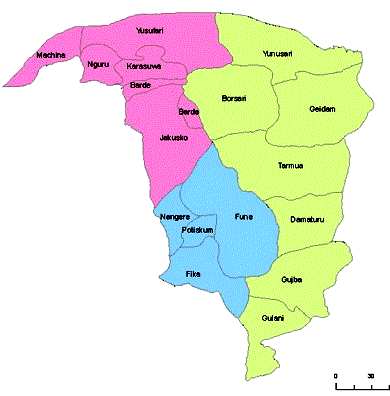
For Farmers in Southern Yobe (Damaturu, Fika, Potiskum):
Your rains will likely start between June 15-20, beginning with scattered showers that may trick you into planting too early. The proper rainy season will establish around June 25-July 5, when you’ll see steady rains for several days in a row. These rains will continue until October 1-5, giving you about 90-100 days of reliable growing time.
For Farmers in Northern Yobe (Geidam, Yunusari, Yusufari):
Your rains will come slightly later, around June 20-25, and may end earlier by September 25-30. This means you’ll have an even shorter 85-95 day growing season. The soil here dries out faster, so water conservation will be especially important.
What This Means for Your Farming:
The short rainy season means every day counts. You must prepare your fields now during the dry season so you’re ready to plant immediately when the steady rains come. Choose crops that grow quickly and can handle dry conditions. The most dangerous time will be early August when the hot sun burns strongest – your crops will need special protection then.
GROWING CROPS IN A SHORT SEASON
Millet
Millet is the best crop for Yobe state’s conditions. When the steady rains come:
- First, clear your field completely. Remove all weeds and crop leftovers from last season.
- Loosen the topsoil to about hand depth. This helps the millet roots grow deep.
- Plant seeds about a hand’s width apart. If you plant too close, the plants will compete for water.
- When plants reach your knee height (about 4 weeks), remove some to leave the strongest plants about two hand widths apart.
The hot period in early August comes just when your millet is flowering. This is when it needs water most. Before this time:
- Collect dry grass, leaves or crop stalks
- Spread this thickly between your millet plants
- This mulch layer will keep the soil moist and cool
Cowpea
Plant cowpea about 2 weeks after your millet (around mid-July):
- Wait until the soil is properly wet – test by squeezing a handful. It should hold together but not drip water.
- Make small holes about two normal steps apart.
- Put 3-4 seeds in each hole, then cover lightly with soil.
When pods start forming:
- Begin harvesting every 3 days without fail
- Leaving mature pods on the plant makes it stop producing
- Dry beans completely in the sun before storing
Groundnuts
If you have sandy soil areas:
- Wait until early July when the soil is properly warm
- Loosen the soil deeply before planting – at least to elbow depth
- Plant seeds about a hand’s width apart in rows
- Watch for signs of readiness: Leaves will start turning yellow
- Plants will look tired and stop growing
- Dig up a few test plants to check the nuts
CARING FOR YOUR ANIMALS THROUGH THE SEASONS
Managing Cattle and Small Ruminants
During the short rainy season:
- Graze your animals on fresh grass but move them regularly
- Check animals every morning for ticks, especially under the belly, behind ears and under the tail
- Provide clean water in shaded areas – animals drink more when it’s hot
As the rains decrease in September:
- Start cutting grass from areas that still have growth
- Spread the cut grass in the sun to dry completely
- Store this hay in a raised, dry place for dry season feed
- Also collect and store crop residues like millet stalks
Poultry Keeping in Harsh Conditions
For your chickens:
- Build simple shaded areas using grass mats or old sacks
- Place water containers in shaded spots and change water at least twice daily
- Collect eggs early in the morning and again in the evening
- Keep living areas clean by removing droppings regularly
During the hottest hours (11am-3pm):
- Sprinkle water on the ground around chicken areas to cool the air
- Provide extra containers of water
- Reduce disturbance to the birds
CRITICAL DANGER PERIODS AND HOW TO SURVIVE THEM
Early August (Hottest, Driest Days)
This 10-12 day period will test your crops and animals:
For crops:
The first ten days of August will test both your crops and animals severely. For your millet and other crops, this is when they need protection most. Each morning at dawn, check that the protective mulch around your plants is still thick enough – add more grass or leaves if needed. If you can spare any water, give just one cup to each of your most valuable plants in the cool of the morning.
For animals:
Provide extra water in shaded areas
Graze early morning and late evening only
Watch closely for signs of heat stress
September (Rains Becoming Unreliable)
As rains decrease:
As September progresses and the rains become unreliable, you’ll need to make careful decisions about harvesting. Begin checking your millet daily – when the seeds feel hard between your fingers, it’s time to harvest. For groundnuts, pull up a few test plants to check if the nuts are ready. Prioritize harvesting crops that show signs of stress first, then move on to those in low-lying areas that might flood if unexpected rains come. As you harvest, carefully select the best seeds from your strongest, earliest-maturing plants to save for next year’s planting. Clean your storage containers thoroughly, line them with neem leaves to keep pests away, and store different types of seeds separately in a cool, dry place.
Start gathering and storing animal feed from areas with remaining growth
Select the best seeds from your harvest for next year
Early October (Rains Ending Suddenly)
When rains stop:
Complete all harvesting immediately
Store grains in airtight containers, adding neem leaves to keep pests away
Prepare dry season gardens near any remaining water sources
SECTION 5: WHERE TO GET HELP
NiMet Yobe Office:
📞 Mr. Sadiq Haruna Anate
☎️ 08065079205
📧 s.haruna@nimet.gov.ng, anatesadiq@yahoo.com
🌍 To download the SCP 2025, visit NiMet website: https://www.nimet.gov.ng/scp
Remember:
For accurate weather updates and early warnings, the Nigerian Meteorological Agency has a dedicated contact for your state. You can reach their office during working hours for the most current forecasts and advice.
If you encounter problems with your crops, the state agriculture department has extension officers stationed across all local government areas.
Keep careful track of important dates and activities by marking them on a calendar or in a notebook. Note when you planted each crop, when you fertilized, and any problems you observed. This record will help you plan better next season.
Work together with other farmers in your area. Form small groups to share labor during busy periods, exchange information about what’s working, and watch for early signs of trouble in each other’s fields.
Most importantly, stay alert to changes in your environment. Notice if insects appear that you haven’t seen before, or if plants show unusual symptoms. The earlier you spot potential problems, the easier they are to manage.
Remember that farming in Ondo State requires both traditional knowledge and willingness to adapt to changing conditions. Use this information, combine it with your own experience, and may the coming year bring you good harvests and healthy animals.
Social Media
X: @nimetnigeria
LinkedIn, Facebook, Youtube: @Nigerian Meteorological Agency
Instagram: officialnimetng
Summary of Predicted Onset Date, Cessation Date, Length of Season and Annual Rainfall Amounts for States and Local Government Areas for Yobe state
| LGA | Start Date | End Date | Rainy Days | Annual Rainfall (mm) |
| Bade | 30-Jun | 1-Oct | 79 | 507 |
| Bursari | 30-Jun | 1-Oct | 80 | 506 |
| Damaturu | 17-Jun | 8-Oct | 99 | 512 |
| Fika | 11-Jun | 11-Oct | 108 | 532 |
| Fune | 17-Jun | 8-Oct | 99 | 512 |
| Geidam | 29-Jun | 2-Oct | 81 | 506 |
| Gujba | 10-Jun | 12-Oct | 110 | 537 |
| Gulani | 5-Jun | 15-Oct | 118 | 568 |
| Jakusko | 26-Jun | 3-Oct | 85 | 503 |
| Karasuwa | 3-Jul | 30-Sep | 74 | 519 |
| Machina | 5-Jul | 28-Sep | 71 | 513 |
| Nangere | 17-Jun | 8-Oct | 99 | 514 |
| Nguru | 3-Jul | 29-Sep | 74 | 513 |
| Potiskum | 15-Jun | 9-Oct | 102 | 517 |
| Tarmua | 24-Jun | 5-Oct | 89 | 503 |
| Yunusari | 7-Jul | 28-Sep | 69 | 523 |
| Yusufari | 7-Jul | 27-Sep | 68 | 527 |