
RIVERS STATE FARMERS’ WEATHER GUIDE
| RIVERS STATE FARMERS’ WEATHER GUIDE
2025 Seasonal Climate Prediction |
|
This information is sourced from the 2025 Seasonal Climate Prediction produced by the Nigeria Meteorological Agency (NiMet)Analysis by: HEDA Resource Centre |
|
🌧 RIVERS STATE FARMERS’ GUIDE 2025
This guide explains exactly what this year’s weather means for your crops, fish ponds and livestock.
RAIN PATTERNS FOR YOUR FARM
For All Farmers in Rivers State:
The rains will start very early this year, coming as early as the first week of March. The first heavy downpours will wet the soil, but you should wait until around March 15-20 when the rains become steady before planting. The rainy season will continue until mid-December, giving you plenty of time to grow your crops.
In April through June, expect very heavy rains that may flood low-lying areas. There will be a short break in the rains around July 20-30 when the sun comes out strongly for about 10 days. Then the rains return in August and continue heavily through September and October before gradually stopping in December.
What This Means for You:
The long rainy season is good for growing crops, but the heavy rains can also bring problems. You need to prepare your fields to handle too much water, especially if your farm is in a low area that floods easily. The short dry period in late July is when your crops will need extra care to survive without rain.
GROWING YOUR CROPS
Swamp Rice Farming:
Rice grows very well in our wet conditions. After the first heavy rains in March, prepare your rice fields by making small raised areas where the rice will grow. Wait until the field has steady water about as deep as your ankle before planting your rice seeds around late March to early April.
As your rice grows, keep the water at about the same level – not too deep, not too shallow. Remove weeds regularly so they don’t choke the rice.
Cassava in Wet Conditions:
For cassava, the best time to plant is early April. Make big mounds of soil about as high as your knee to plant the cassava stems. This keeps the roots from sitting in water. Space the mounds as wide as your outstretched arms so each plant has room to grow.
Check your cassava plants often, especially during the wettest months. If you see leaves turning yellow or growing in twisted shapes, remove those plants right away as they may be sick. Cassava takes about 8-10 months to be ready, so plan to harvest before the rains completely stop in December.
Vegetables That Grow Well:
Waterleaf, pumpkin and other greens grow easily during the rains. You can plant the seeds directly in your field from March onward. Keep picking the young leaves regularly and they will continue producing.
For tomatoes and peppers, start by growing small plants in a protected nursery area in February. When these seedlings are strong and have several leaves, move them to your main field in March, planting them on small raised beds. Use sticks to support the plants as they grow taller.
FISH FARMING ADVICE
Preparing Your Fish Pond:
The best time to get your pond ready is during the dry season in January and February. Drain out all the old water and let the sun dry the pond bottom for at least two weeks. This kills bad things that can make fish sick.
When the steady rains come in March, fill your pond and put in small young fish (called fingerlings). Feed these fish twice every day – once in the morning and once in the late afternoon. Give only as much food as the fish can finish in about 15 minutes. Too much leftover food will make the water dirty.
If the water starts looking cloudy or the fish come to the surface gasping for air, change about one-third of the water immediately. Plan to harvest your fish before December when the ponds might dry up.
IMPORTANT DANGER PERIODS
April-June Heavy Floods:
These months will bring the heaviest rains that can flood your fields. To prepare:
- Build your crop mounds extra high
- Have baskets or boats ready to move your harvest if needed
- Keep your best seeds stored in a high, dry place
July 20-30 Dry Days:
When the rains stop for about 10 days in late July:
- Save water in any big containers you have
- Spread dry grass or leaves around your crops to keep the soil moist
- Avoid planting new crops during this time
September-October Heavy Rains:
The second heavy rain period can damage mature crops:
- Harvest crops like cassava and rice as soon as they’re ready
- Clear all drainage paths so water can flow away
- Move animals to higher ground if your area floods
SECTION 5: WHERE TO GET HELP
NiMet Rivers Office:
📞 Mr. Elujah Abraham
☎️ 08183221691, 07032307828
📧 e.abraham@nimet.gov.ng
🌍 To download the SCP 2025, visit NiMet website: https://www.nimet.gov.ng/scp
Remember:
For accurate weather updates and early warnings, the Nigerian Meteorological Agency has a dedicated contact for your state. You can reach their office during working hours for the most current forecasts and advice.
If you encounter problems with your crops, the state agriculture department has extension officers stationed across all local government areas.
Keep careful track of important dates and activities by marking them on a calendar or in a notebook. Note when you planted each crop, when you fertilized, and any problems you observed. This record will help you plan better next season.
Work together with other farmers in your area. Form small groups to share labor during busy periods, exchange information about what’s working, and watch for early signs of trouble in each other’s fields.
Most importantly, stay alert to changes in your environment. Notice if insects appear that you haven’t seen before, or if plants show unusual symptoms. The earlier you spot potential problems, the easier they are to manage.
Remember that farming in Ondo State requires both traditional knowledge and willingness to adapt to changing conditions. Use this information, combine it with your own experience, and may the coming year bring you good harvests and healthy animals.
Social Media
X: @nimetnigeria
LinkedIn, Facebook, Youtube: @Nigerian Meteorological Agency
Instagram: officialnimetng
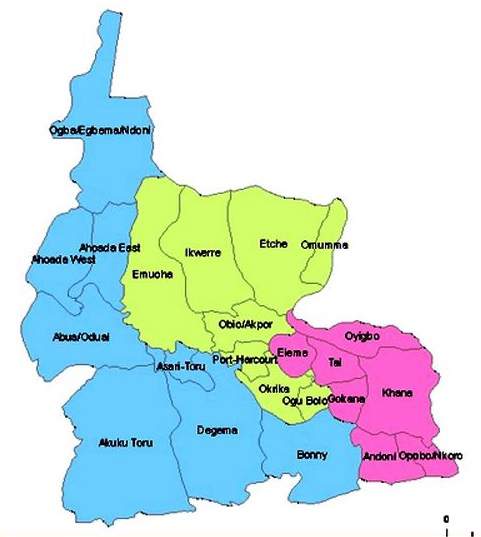
Summary of Predicted Onset Date, Cessation Date, Length of Season and Annual Rainfall Amounts for States and Local Government Areas for Rivers state
| LGA | Start Date | End Date | Rainy Days | Annual Rainfall (mm) |
| Abua/Odual | 8-Mar | 16-Dec | 284 | 2678 |
| Ahoada East | 10-Mar | 15-Dec | 280 | 2585 |
| Ahoada West | 10-Mar | 15-Dec | 280 | 2597 |
| Akuku Toru | 3-Mar | 19-Dec | 291 | 2841 |
| Andoni | 3-Mar | 19-Dec | 291 | 2840 |
| Asari-Toru | 6-Mar | 17-Dec | 287 | 2735 |
| Bonny | 3-Mar | 19-Dec | 291 | 2845 |
| Degema | 4-Mar | 19-Dec | 290 | 2811 |
| Eleme | 6-Mar | 17-Dec | 287 | 2740 |
| Emohua | 7-Mar | 17-Dec | 284 | 2689 |
| Etche | 10-Mar | 15-Dec | 280 | 2582 |
| Gokana | 5-Mar | 18-Dec | 288 | 2778 |
| Ikwerre | 10-Mar | 15-Dec | 280 | 2584 |
| Khana | 4-Mar | 18-Dec | 289 | 2789 |
| Obia/Akpor | 7-Mar | 17-Dec | 285 | 2704 |
| Ogba/Egbema/Ndoni | 15-Mar | 12-Dec | 272 | 2422 |
| Ogu/Bolo | 5-Mar | 18-Dec | 288 | 2778 |
| Okrika | 5-Mar | 18-Dec | 289 | 2780 |
| Omumma | 11-Mar | 15-Dec | 279 | 2564 |
| Opobo/Nkoro | 3-Mar | 19-Dec | 291 | 2876 |
| Oyigbo | 7-Mar | 17-Dec | 284 | 2681 |
| Port-Harcourt | 6-Mar | 17-Dec | 286 | 2729 |
| Tai | 6-Mar | 17-Dec | 287 | 2736 |