
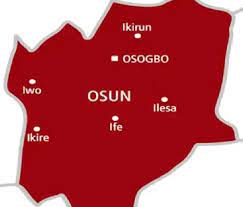
OSUN STATE FARMERS’ WEATHER GUIDE
| OSUN STATE FARMERS’ WEATHER GUIDE
2025 Seasonal Climate Prediction |
|
This information is sourced from the 2025 Seasonal Climate Prediction produced by the Nigeria Meteorological Agency (NiMet)Analysis by: HEDA Resource Centre |
|
🌧 OSUN STATE FARMERS’ GUIDE 2025
This guide explains exactly what this year’s weather means for your crops, fish ponds and livestock.
RAIN PATTERNS: WHAT TO EXPECT IN YOUR AREA
For Farmers Across Osun State:
The rains will begin between April 11-17 in most areas, starting slightly earlier in the southern parts near Ikire and later in northern towns like Ila-Orangun. The rainy season will last until November 23-27, giving you 210-220 days (7-7.5 months) of growing time. You will receive 1,400-1,600mm of rainfall – enough for good harvests if managed wisely.
Key Periods to Watch:
- July 25-August 5: The “August Break” dry spell (10-12 days)
- September 5-25: Peak disease pressure period
- October heavy rains: May cause flooding in low-lying areas
STRATEGIES FOR YOUR CROPS
Cassava Farming Through the Seasons
Begin preparing your fields as soon as the first dry season harmattan winds ease in late February. Clear the land completely and build mounds about the height of your knee (30cm) to improve drainage. Wait until you’ve had at least three consecutive days of steady rain in April before planting your cassava stems. This ensures the soil has enough moisture without being waterlogged.
Space your mounds about the length of your arm apart (75cm) to give each plant room to grow. The first three months after planting are critical – weed carefully when the plants reach your ankle height, and again when they’re up to your knee. Watch for signs of disease, especially during the humid months of June and July. If you notice leaves curling or developing yellow patterns, remove those plants immediately to prevent spread.
Maize Production for Optimal Yield
Plant your maize within two weeks after the rains become steady, ideally between April 20-May 5. This timing helps the crop establish before the heaviest rains in June. Space your rows about the length of your forearm apart (60cm) and plants about a hand’s width (25cm) apart within the row.
When the plants reach your knee height, apply fertilizer carefully around each stalk. The August break will test your maize crop – prepare by collecting dry grass to spread between rows as mulch to conserve moisture. If you’re planting a second crop, wait until after August 10 when the rains return, but not later than August 25 to ensure maturity before season’s end.
Vegetable Farming (Tomato, Pepper, Okra)
Start your tomato and pepper nurseries in early March under partial shade. Transplant the seedlings to prepared beds in late April when they have 4-6 true leaves. Build raised beds about the height of your hand (15cm) to improve drainage and stake plants early with bamboo poles.
Okra can be planted directly in the field from mid-April. The secret to continuous production is harvesting every other day without fail once pods start forming. Save seeds from your best-performing plants – choose pods as long as your hand from vigorous, disease-free plants.
LIVESTOCK MANAGEMENT THROUGH THE SEASONS
Poultry Farming
The high humidity from May-October requires special attention to poultry housing. Ensure your chicken coop has good ventilation but protection from driving rain. Paint the roof white to reflect heat and change bedding material every three days during the wettest months.
For layers, maintain consistent lighting for 16 hours daily to keep egg production steady. Collect eggs at least twice daily to prevent breakage and keep them clean. During the hottest months, add extra water containers and consider natural supplements to help birds cope with heat stress.
Goat and Sheep Rearing Strategies
Build raised pens with slatted floors about knee-high (50cm) off the ground to keep animals dry during rains. The rainy season brings abundant grass but also more parasites – consider cut-and-carry feeding during peak worm season (June-September).
Start planting fast-growing fodder like Centrosema around pens in August to prepare for dry season feed shortages. Deworm all animals every three months without fail, and do it at the same time for your entire stock to prevent reinfection.
Fish Farming
Prepare ponds thoroughly in February/March by draining completely and liming. Stock fingerlings in late April when water levels stabilize. Feed at the same times daily (morning and late afternoon) but adjust amounts based on water temperature and clarity.
Be prepared for possible pond overflow during September/October heavy rains. Keep harvest nets ready and consider partial harvests if water levels rise dangerously.
CRITICAL DANGER PERIODS
July 25-August 5 (August Break)
- This 10-12 day dry period will test young crops. Prepare by:
- Mulching heavily with dry grass before July 20
- Having emergency water for vulnerable seedlings
- Completing major weeding before the dry spell
September 5-25 (Disease Peak)
High humidity makes this the worst period for crop diseases:
- Cassava: Daily checks for mosaic disease
- Vegetables: Weekly baking soda sprays (1 spoon/liter water)
- Poultry: Intensify coop cleanliness
October Heavy Rains
The rains may damage mature crops:
- Complete main harvests by October 10
- Reinforce grain storage against moisture
- Clear drainage channels around animal pens
SECTION 5: WHERE TO GET HELP
NiMet Osun Office:
📞 Mr. Raheem Kayode
☎️ 09083568698, 08090814762
🌍 To download the SCP 2025, visit NiMet website: https://www.nimet.gov.ng/scp
Remember:
For accurate weather updates and early warnings, the Nigerian Meteorological Agency has a dedicated contact for your state. You can reach their office during working hours for the most current forecasts and advice.
If you encounter problems with your crops, the state agriculture department has extension officers stationed across all local government areas.
Keep careful track of important dates and activities by marking them on a calendar or in a notebook. Note when you planted each crop, when you fertilized, and any problems you observed. This record will help you plan better next season.
Work together with other farmers in your area. Form small groups to share labor during busy periods, exchange information about what’s working, and watch for early signs of trouble in each other’s fields.
Most importantly, stay alert to changes in your environment. Notice if insects appear that you haven’t seen before, or if plants show unusual symptoms. The earlier you spot potential problems, the easier they are to manage.
Remember that farming in Ondo State requires both traditional knowledge and willingness to adapt to changing conditions. Use this information, combine it with your own experience, and may the coming year bring you good harvests and healthy animals.
Social Media
X: @nimetnigeria
LinkedIn, Facebook, Youtube: @Nigerian Meteorological Agency
Instagram: officialnimetng
Summary of Predicted Onset Date, Cessation Date, Length of Season and Annual Rainfall Amounts for States and Local Government Areas for Osun state
| LGA | Start Date | End Date | Rainy Days | Annual Rainfall (mm) |
| Atakumosa East | 13-Apr | 27-Nov | 228 | 1642 |
| Atakumosa West | 16-Apr | 25-Nov | 228 | 1577 |
| Aiyedaade | 13-Apr | 27-Nov | 224 | 1577 |
| Aiyedire | 13-Apr | 25-Nov | 224 | 1512 |
| Boluwaduro | 21-Apr | 22-Nov | 216 | 1481 |
| Boripe | 20-Apr | 23-Nov | 218 | 1481 |
| Ede North | 18-Apr | 24-Nov | 219 | 1527 |
| Ede South | 17-Apr | 24-Nov | 221 | 1503 |
| Egbedore | 19-Apr | 23-Nov | 218 | 1503 |
| Ejigbo | 13-Apr | 23-Nov | 230 | 1641 |
| Ife East | 13-Apr | 27-Nov | 230 | 1611 |
| Ife North | 11-Apr | 28-Nov | 234 | 1630 |
| Ife South | 11-Apr | 28-Nov | 234 | 1630 |
| Ife Central | 22-Apr | 26-Nov | 218 | 1624 |
| Ifedayo | 21-Apr | 22-Nov | 216 | 1512 |
| Ifelodun | 21-Apr | 22-Nov | 216 | 1458 |
| Ila | 21-Apr | 22-Nov | 216 | 1458 |
| Ilesha East | 16-Apr | 25-Nov | 224 | 1512 |
| Ilesha West | 16-Apr | 24-Nov | 224 | 1512 |
| Irepodun | 20-Apr | 23-Nov | 216 | 1478 |
| Irewole | 19-Apr | 26-Nov | 218 | 1642 |
| Isokan | 12-Apr | 27-Nov | 229 | 1627 |
| Iwo | 13-Apr | 24-Nov | 230 | 1611 |
| Obokun | 19-Apr | 23-Nov | 218 | 1503 |
| Odo-Otin | 19-Apr | 22-Nov | 218 | 1412 |
| Ola – Oluwa | 22-Apr | 24-Nov | 214 | 1642 |
| Olorunda | 20-Apr | 23-Nov | 217 | 1583 |
| Oriade | 16-Apr | 25-Nov | 224 | 1580 |
| Orolu | 21-Apr | 22-Nov | 216 | 1470 |
| Osogbo | 19-Apr | 24-Nov | 219 | 1509 |