
ONDO STATE FARMERS’ GUIDE 2025
| ONDO STATE FARMERS’ WEATHER GUIDE
2025 Seasonal Climate Prediction |
|
This information is sourced from the 2025 Seasonal Climate Prediction produced by the Nigeria Meteorological Agency (NiMet)Analysis by: HEDA Resource Centre |
|
🌧 ONDO STATE FARMERS’ GUIDE 2025
This guide explains exactly what this year’s weather means for your crops, fish ponds and livestock.
RAIN PATTERNS: WHAT TO EXPECT IN YOUR AREA
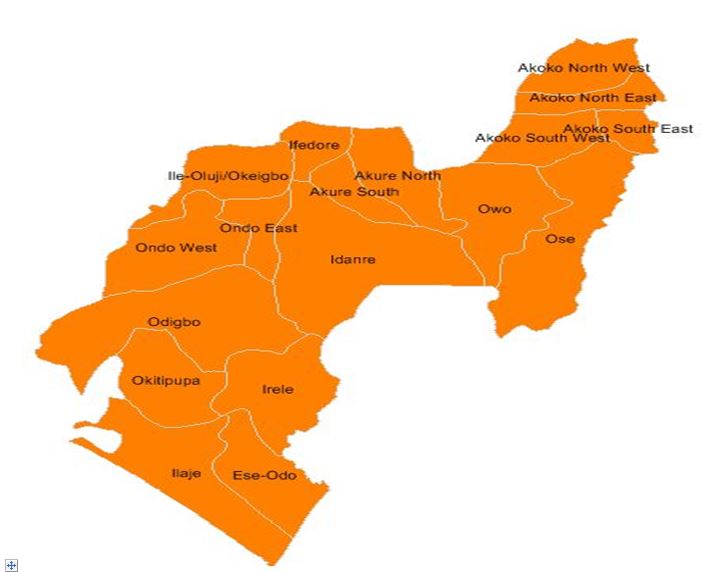
For Farmers in Coastal and Southern Zones (Ilaje, Ese-Odo, Okitipupa):
Your rains will arrive as early as March 26-31 – the first showers will come from the ocean. The real planting rains will start steadily around April 1-5. Prepare your fishing nets and farm tools now. Your rainy season will last until December 3-7, giving you 245-252 days (over 8 months) of growing time. You’ll receive 1,900-2,100mm of rain – more than enough, but flooding will be your biggest challenge this year.
What this means for your farming:
- Cassava and yam farmers: Plant early-maturing varieties first (March-April)
- Rice farmers in riverine areas: Build raised seedbeds at least 1 meter above water level
- Vegetable growers: Start nurseries in early March, but protect them from heavy first rains
- Fishermen: The best fishing period will be April-June before the floods get too strong
For Farmers in Central and Northern Zones (Akure, Ondo, Owo):
Your rains will begin April 8-14 – about two weeks after the coastal areas. The season will last until November 24-28, giving you 225-235 days (7-8 months) with 1,600-1,800mm of rain.
Critical periods to watch:
- July 22-30 (August Break): 10-15 dry days when young crops need protection
- September 5-20: Peak disease season for cassava and vegetables
- October heavy rains: May damage mature crops if not harvested on time
STRATEGIES FOR YOUR CROPS
Cassava Farming Through the Seasons
For farmers in coastal areas, the early rains mean you can start planting as soon as the soil is workable in early April. Prepare your fields by making raised mounds that will keep your cassava from sitting in waterlogged soil. Space these mounds about the length of your arm apart to give each plant enough room to grow. The first three months after planting are critical – you’ll need to weed carefully when the plants are about knee-high, and again when they reach waist level. Watch carefully for signs of disease, especially when the rains are heaviest in June and July. If you notice leaves turning yellow with strange patterns, remove those plants immediately to prevent the disease from spreading.
Inland farmers should wait until mid-April when the soil has warmed up sufficiently. Your cassava will face different challenges, particularly during the August break when young plants may suffer from lack of water. Prepare for this by collecting dry grass and leaves to spread around your plants as mulch. This protective layer will help keep the soil moist during the dry spell.
Making the Most of Your Cocoa Farms
The cocoa trees will need special attention this year. Start by pruning them before the rains begin, removing any dead branches and opening up the center of the tree to allow air to circulate. This helps prevent fungal diseases that thrive in humid conditions. When the pods start forming, check them regularly for signs of black pod disease, especially after heavy rains. Remove any infected pods immediately and dispose of them far from your farm.
Harvesting should begin in June when the first pods ripen. Break them open carefully to avoid damaging the tree, and dry the beans properly on raised racks. The drying process is crucial – beans that aren’t completely dry will develop mold during storage. Turn them regularly and protect them from sudden rains during this period.
Maize Production for Optimal Yield
Coastal farmers can plant their first maize crop in early April, taking advantage of the long growing season. Space your plants properly to allow air circulation and make weeding easier. About two weeks after planting, when the young plants are established, you can apply fertilizer to give them a strong start.
For farmers in central and northern areas, the planting window is mid-April to early May. Your maize will be at a critical growth stage when the August dry spell hits, so prepare by mulching around the plants and, if possible, having water ready for emergency irrigation. Watch carefully for pests that attack young plants, checking under the leaves regularly for signs of infestation.
LIVESTOCK MANAGEMENT THROUGH THE SEASONS
Poultry Farming in Humid Conditions
The high humidity in Ondo State creates perfect conditions for poultry diseases. Start by making sure your chicken houses are well-ventilated but protected from driving rain. Paint the roofs white to reflect heat and keep the interior cooler. During the wettest months, change the bedding material frequently to prevent damp conditions that encourage disease.
If you are raising meat birds, reduce the number in each pen slightly to give them more space during hot, humid weather. For egg-layers, maintain a consistent light schedule to keep production steady. Collect eggs at least twice daily to keep them clean and prevent breakage. Adding certain natural supplements to their water can help boost their immunity during stressful periods.
Goat and Sheep Rearing Strategies
The rainy season brings both opportunities and challenges for small ruminant owners. While there’s plenty of fresh grass, it also carries parasites that can weaken your animals. Build raised floors for your pens to keep your animals dry, using slats that allow waste to fall through. During the wettest months, it’s better to cut grass and bring it to your animals rather than letting them graze freely in wet pastures.
As the dry season approaches, start planting fast-growing fodder crops around your pens. These will provide valuable feed when natural grasses become scarce. Remember to deworm your animals regularly, and do it at the same time for all your stock to prevent reinfection.
Fish Farming
Prepare your ponds thoroughly before the rains begin. Drain them completely and let the sun bake the bottom to kill any disease organisms. When the steady rains come in April, you can stock your ponds with young fish. Feed them consistently at the same times each day, but be prepared to adjust the amount based on water conditions.
The heavy rains later in the season may cause ponds to overflow, so plan your harvest schedule accordingly. Keep nets and other equipment ready in case you need to harvest quickly to prevent losses.
CRITICAL DANGER PERIODS AND HOW TO SURVIVE THEM
The July-August Break
Around July 22-30, the rains will pause for about 10-15 days. This comes just when many crops are at their thirstiest stage of growth. Before this period begins, gather all the dry grass and leaves you can find to spread around your plants as mulch. This protective layer will help conserve what moisture is in the soil.
For cassava farmers, this is the time to complete your final weeding. Vegetable growers should have water containers ready to give their plants a drink if needed. Livestock owners should check their stored feed supplies and make any necessary repairs to shelters before this stressful period.
September’s Disease Challenges
The combination of returning rains and heat creates perfect conditions for diseases to spread. Cassava farmers need to walk their fields daily, looking for any signs of mosaic disease. At the first sign of trouble, remove and destroy affected plants immediately.
Poultry farmers must be extra vigilant about cleanliness during this period. Disinfect feeders and waterers daily, and consider adding natural immune boosters to the birds’ water. Fish farmers should reduce feeding slightly to prevent water quality problems when the humidity is highest.
October’s Heavy Rains
By early October, the rains intensify and can damage mature crops. Cassava farmers should aim to complete their main harvest before October 10, while grain farmers need to check their storage facilities for leaks. Any produce stored in damp conditions will spoil quickly.
Livestock owners should clear all drainage channels around their pens and reinforce shelters before these heavy rains arrive. Fish farmers may need to lower water levels slightly in anticipation of the extra rainfall. This is also the time to save your best seeds for next year’s planting, storing them in airtight containers with ash to keep them dry.
SECTION 5: WHERE TO GET HELP
NiMet Ondo Office:
📞 Mr. Adejuwon Emmanuel O.
☎️ 08125883607, 08034782527
📧 o.adejuwon@nimet.gov.ng
🌍 To download the SCP 2025, visit NiMet website: https://www.nimet.gov.ng/scp
Remember:
For accurate weather updates and early warnings, the Nigerian Meteorological Agency has a dedicated contact for your state. You can reach their office during working hours for the most current forecasts and advice.
If you encounter problems with your crops, the state agriculture department has extension officers stationed across all local government areas.
Keep careful track of important dates and activities by marking them on a calendar or in a notebook. Note when you planted each crop, when you fertilized, and any problems you observed. This record will help you plan better next season.
Work together with other farmers in your area. Form small groups to share labor during busy periods, exchange information about what’s working, and watch for early signs of trouble in each other’s fields.
Most importantly, stay alert to changes in your environment. Notice if insects appear that you haven’t seen before, or if plants show unusual symptoms. The earlier you spot potential problems, the easier they are to manage.
Remember that farming in Ondo State requires both traditional knowledge and willingness to adapt to changing conditions. Use this information, combine it with your own experience, and may the coming year bring you good harvests and healthy animals.
Social Media
X: @nimetnigeria
LinkedIn, Facebook, Youtube: @Nigerian Meteorological Agency
Instagram: officialnimetng
Summary of Predicted Onset Date, Cessation Date, Length of Season and Annual Rainfall Amounts for States and Local Government Areas for Ondo state
| LGA | Start Date | End Date | Rainy Days | Annual Rainfall (mm) |
| Akoko North – East | 16-Apr | 25-Nov | 223 | 1571 |
| Akoko North – West | 14-Apr | 26-Nov | 225 | 1605 |
| Akoko South – East | 14-Apr | 26-Nov | 227 | 1621 |
| Akoko South – West | 18-Apr | 24-Nov | 220 | 1534 |
| Akure North | 11-Apr | 28-Nov | 230 | 1678 |
| Akure South | 11-Apr | 28-Nov | 231 | 1687 |
| Ese – Odo | 28-Mar | 5-Dec | 252 | 2035 |
| Idanre | 8-Apr | 30-Nov | 236 | 1768 |
| Ifedore | 13-Apr | 27-Nov | 228 | 1639 |
| Ilaje | 26-Mar | 7-Nov | 229 | 2113 |
| Ile-Oluji-Okeigbo | 12-Apr | 27-Nov | 256 | 1662 |
| Irele | 1-Apr | 3-Dec | 229 | 1931 |
| Odigbo | 4-Apr | 2-Dec | 246 | 1862 |
| Okitipupa | 1-Apr | 3-Nov | 242 | 1921 |
| Ondo East | 9-Apr | 29-Nov | 245 | 1736 |
| Ondo West | 8-Apr | 29-Nov | 234 | 1756 |
| Ose | 9-Apr | 29-Nov | 235 | 1735 |
| Owo | 10-Apr | 28-Nov | 234 | 1714 |