
OGUN STATE FARMERS’ WEATHER GUIDE
| OGUN STATE FARMERS’ WEATHER GUIDE
2025 Seasonal Climate Prediction |
|
This information is sourced from the 2025 Seasonal Climate Prediction produced by the Nigeria Meteorological Agency (NiMet)Analysis by: HEDA Resource Centre |
|
🌧 OGUN STATE FARMERS’ GUIDE 2025
This guide explains exactly what this year’s weather means for your crops, fish ponds and livestock.
RAIN PATTERNS: WHAT TO EXPECT IN YOUR AREA
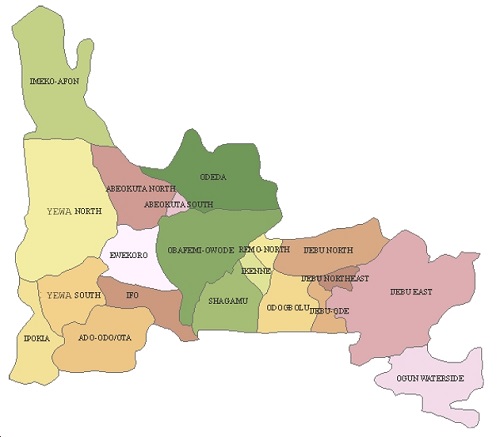
For Farmers in Coastal Areas (Ogun Waterside, Ijebu East, Ijebu Ode):
Your rains will start very early this year – between March 30 and April 5. Don’t wait! Prepare your fields now. The rainy season will last until December 3-4, giving you 248-252 days (over 8 months) of growing time. You’ll get 1,900-2,100mm of rain – that’s more than enough, but flooding is your biggest enemy.
What this means for your farming:
- Plant early-maturing crops first (March-April)
- Build raised beds for all crops – at least 30cm high
- Dig drainage channels around every field
- Store extra seeds – heavy rains may wash away first plantings
For Farmers in Inland Areas (Abeokuta, Ifo, Remo North):
Your rains will start April 7-12 and last until November 28-30, giving you 230-240 days (7.5-8 months) with 1,600-1,800mm of rain.
Critical things to watch for:
- August Break (Little Dry Season): Expect 10-15 dry days around July 19-25
- September disease peak: High humidity causes fungal outbreaks
- October heavy rains: May damage mature crops.
STRATEGIES FOR YOUR CROPS
For Cassava Farmers:
The early rains in coastal areas mean you should have your stems ready by mid-March. When you see those first steady rains in late March or early April, that’s your signal to start planting. Prepare your land properly by making mounds about the height of your knee, spaced as wide as your outstretched arms. This helps the water drain away so your cassava doesn’t rot. Choose healthy stems that are as thick as your thumb and plant them at a slant so they sprout better.
The first three months are crucial for your cassava. You will need to weed carefully twice – first when the plants are ankle-high, then again when they reach your knees. If you let weeds take over during this time, you could lose half your harvest. Watch out for signs of mosaic disease, especially when the rains are heaviest in June. If you see leaves turning yellow with strange patterns, remove those plants immediately before it spreads.
Maize Growers Must Time It Right:
Those farming near the coast should aim to get their maize in the ground between March 30 and April 15. This early planting helps you avoid the worst of the May-June downpours that can flatten your crop. Space your rows about the length of your forearm apart, and leave a hand’s width between each plant. About two weeks after planting, when the plants are up to your shin, sprinkle fertilizer carefully around each stalk.
Come late July, when the August break arrives, your maize will be at its most thirsty stage. This is when you should have dry grass ready to spread between the rows to hold moisture in the soil. If you’re growing a second crop, wait until after August 20 when the rains return, but don’t plant later than September 5 or the crop won’t mature properly.
Vegetable Growers Need Extra Care:
Tomato and pepper farmers should start their nurseries in early March, using raised beds to keep the seedlings safe from heavy rains. When transplanting in April, space the plants about two hand-widths apart and stake them early with strong bamboo poles. The humid weather makes fungal diseases spread quickly, so every week, spray a simple mixture of one spoon of baking soda in a liter of water to protect your plants.
Okra is more forgiving but needs regular picking. From the time the first pods appear in May, you should harvest every other day without fail. Leaving mature pods on the plant signals it to stop producing. Save seeds from your longest, straightest pods to ensure next year’s crop is even better.
KEEPING YOUR ANIMALS HEALTHY THROUGH THE SEASONS
Poultry Farmers Must Adapt:
The humid conditions mean your chickens will need special attention. Paint your coops white to reflect the heat and add extra openings for ventilation, but make sure they’re covered with wire mesh to keep out wild birds that carry disease. During the wettest months from April to June, change the bedding material every three days to prevent dampness.
If you’re raising broilers, the March to June batch will face high humidity. Reduce the number of birds in each pen by a quarter to give them more space. For layers, maintain at least 16 hours of light daily using simple solar bulbs. Collect eggs at least three times a day – morning, noon, and evening – to keep them clean and prevent breakage.
Goat and Sheep Owners Should Prepare:
The rainy season brings parasites that can weaken your animals. Build raised floors for your pens using wooden slats spaced about two fingers apart. This keeps your animals dry and allows waste to fall through. During the wettest months, cut grass for them rather than letting them graze freely, as the ground-level grass carries more parasites.
As the dry season approaches in October, start planting fast-growing fodder like Centrosema around your pens. This living fence provides shade and emergency feed. Every three months without fail, deworm all your animals, and do it at the same time so they don’t reinfect each other.
Fish Farmers Face Unique Challenges:
Prepare your ponds in February when the water levels are lowest. Drain them completely and let the sun bake the bottom for at least two weeks to kill diseases. When the first steady rains come in April, stock your ponds with fingerlings about the length of your little finger.
Feed your fish twice daily at exactly the same times – once in the morning after the dew dries, and again in the late afternoon. If you notice fish gasping at the surface, immediately drain about a third of the water and replace it with fresh water. The heavy October rains can cause ponds to overflow, so harvest any mature fish before then to avoid losses.
CRITICAL DANGER PERIODS AND HOW TO SURVIVE THEM
The July-August Break Tests Every Farmer:
Around July 19-25, the rains will pause for about 10-15 days, just when many crops are at their thirstiest. Before this period, gather all the dry grass and leaves you can find to spread around your plants. This mulch layer should be as thick as two fingers to really protect the soil.
For cassava farmers, this is when you should do your final weeding. For vegetable growers, have watering cans ready to give your plants just enough water to survive. Livestock owners should check their stored feed supplies and repair any leaky roofs on their pens before this dry spell hits.
September’s Hidden Dangers:
The combination of returning rains and heat creates perfect conditions for diseases. Cassava farmers need to walk their fields every morning looking for any leaves with unusual yellow patterns. At the first sign of mosaic disease, uproot that plant immediately and burn it away from your field.
Poultry farmers must be extra vigilant about cleaning feeders and waterers daily during this period. Add a crushed garlic clove to each gallon of drinking water to boost the birds’ immunity. Fish farmers should reduce feeding by about a third during September to prevent water quality problems when the humidity is highest.
October’s Heavy Rains Bring New Challenges:
By early October, the rains intensify and can damage mature crops. Cassava farmers should complete their main harvest before October 10, while maize farmers need to check their storage facilities for leaks. Any grains stored in damp conditions will develop dangerous molds within days.
Livestock owners should clear all drainage channels around their pens and reinforce shelters before these heavy rains. Fish farmers need to lower pond water levels slightly in anticipation of the extra rainfall, creating space to prevent overflowing. Every farmer should save some of their best seeds during this period, storing them in airtight containers with ash to keep them dry for next year’s planting season.
FINAL ADVICE
Keep a Farming Calendar:
Mark these critical dates on your wall or in a notebook:
- March 15-30: Prepare fields for early planting (coastal areas)
- April 1-15: Main planting window for inland farmers
- July 10-20: Prepare for the August break
- September 1-30: Intensify disease monitoring
- October 1-15: Harvest and store crops before heavy rains
SECTION 5: WHERE TO GET HELP
NiMet Ogun Office:
📞 Mr. Oyewole Abayomi
☎️ 09092387540, 08065568386
🌍 To download the SCP 2025, visit NiMet website: https://www.nimet.gov.ng/scp
Remember:
- Share this information with fellow farmers
- Call for help if you notice unusual weather
- Attend local agriculture extension meetings
- Ask Questions: If you don’t understand something, call the NiMet number.
- For farmers in riverine areas, prepare for possible floods
- All farmers – watch for the August break
Social Media
X: @nimetnigeria
LinkedIn, Facebook, Youtube: @Nigerian Meteorological Agency
Instagram: officialnimetng
Summary of Predicted Onset Date, Cessation Date, Length of Season and Annual Rainfall Amounts for States and Local Government Areas for Ogun state
| LGA | Start Date | End Date | Rainy Days | Annual Rainfall (mm) |
| Abeokuta North | 11-Apr | 28-Dec | 230 | 1625 |
| Abeokuta South | 10-Apr | 28-Nov | 232 | 1699 |
| Ado-Odo/Ota | 2-Apr | 3-Dec | 244 | 1901 |
| Egbado North | 10-Apr | 28-Nov | 233 | 1713 |
| Egbado South | 5-Apr | 1-Dec | 244 | 1829 |
| Ewekoro | 7-Apr | 30-Nov | 237 | 1744 |
| Ifo | 4-Apr | 1-Dec | 241 | 1845 |
| Ijebu East | 6-Apr | 30-Nov | 238 | 1802 |
| Ijebu North | 4-Apr | 1-Dec | 241 | 1843 |
| Ijebu North East | 8-Apr | 29-Nov | 235 | 1755 |
| Ijebu Ode | 5-Apr | 1-Dec | 240 | 1837 |
| Ikenne | 7-Apr | 30-Nov | 237 | 1786 |
| Imeko-Afon | 17-Apr | 24-Nov | 221 | 1514 |
| Ipokia | 2-Apr | 3-Dec | 244 | 1901 |
| Obafemi-Owode | 7-Apr | 30-Nov | 237 | 1775 |
| Odeda | 12-Apr | 27-Nov | 240 | 1658 |
| Odogbolu | 5-Apr | 1-Dec | 240 | 1824 |
| Ogun Waterside | 30-Mar | 4-Dec | 249 | 1988 |
| Remo North | 8-Apr | 29-Nov | 236 | 1759 |
| Shagamu | 5-Apr | 1-Dec | 240 | 1825 |