
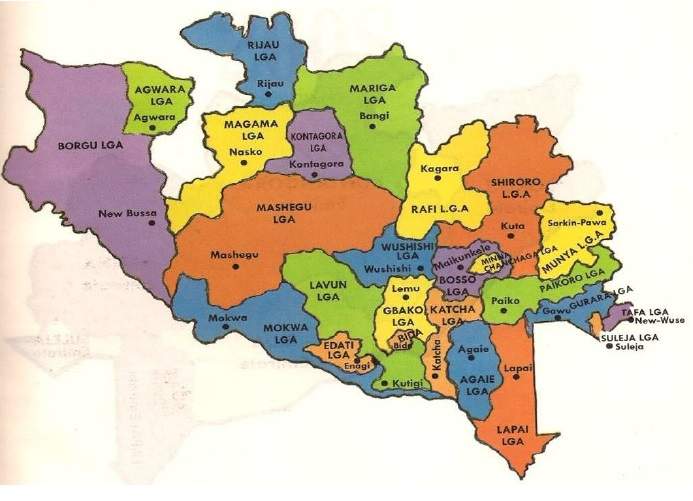
NIGER STATE FARMERS’ WEATHER GUIDE
| NIGER STATE FARMERS’ WEATHER GUIDE
2025 Seasonal Climate Prediction |
|
This information is sourced from the 2025 Seasonal Climate Prediction produced by the Nigeria Meteorological Agency (NiMet)Analysis by: HEDA Resource Centre |
|
🌧 NIGER STATE FARMERS’ GUIDE 2025
This guide explains exactly what this year’s weather means for your crops, fish ponds and livestock.
RAIN PATTERNS: WHAT TO EXPECT IN YOUR AREA
For Farmers in Dry Northern Zones (Kontagora, Rijau, Magama):
Your rains will come late this year. The first proper rains won’t start until June 4-13. Don’t be tricked by early showers in May – these false starts can ruin your seeds. Wait until you’ve seen 3 straight days of good, steady rain before planting.
Your rains will stop early too – around October 24-29. This gives you just 128-147 days (4-5 months) of growing time. You’ll get 863-937mm of rain – that’s about 20% less than farmers south of Minna.
What this means for your farming:
- Every day counts – plant within 3 days after proper rains begin
- Only fast-growing crops will mature in time
- You must save every drop of rainwater – more on this later
For Farmers in Southern Zones (Lapai, Bida, Agaie):
Your situation is better but needs care. Rains will start May 13-24 – mark these dates on your calendar. The season will last until November 4-10, giving you 156-180 days (5-6 months) with 1,060-1,208mm of rain.
But there’s danger – heavy rains may flood low-lying areas. Last year many farms in Mokwa were destroyed by floods.
What you must do differently:
- Prepare drainage channels now while the ground is dry
- Build raised mounds for yam and cassava
- Store extra seeds in case first planting gets washed away
CROP-SPECIFIC STRATEGIES FOR SURVIVAL
Millet – The Reliable Choice for All Areas
For farmers in Rijau, Kagara, and other northern areas:
When to plant: June 10-20 (wait for steady rains)
Seed preparation: Soak seeds overnight before planting to help them sprout faster
Spacing: Plant holes 60cm apart – any closer and plants will choke each other
Bird control: When grains form, assign children to guard fields daily from 7am-6pm
Rice – For Riverine Areas Only
Farmers along Niger River (Shiroro, Lavun, Gbako):
Planting time: June 1-15 for best results
Water management:
Keep 5cm water in fields at all times
Build small mud walls around plots to hold water
Weeding:
First weeding at 3 weeks after planting
Second weeding at 6 weeks
Never let weeds grow taller than rice plants
Cowpea – The Smart Second Crop
For all farmers after planting cereals:
Best planting time: 2 weeks after millet/sorghum (early July)
Pod management:
- Start picking pods when they snap easily
- Harvest every 3 days to keep plants productive
Drying technique:
- Spread beans on clean mats in full sun
- Turn them 3 times daily
- Properly dried beans will break, not bend
Yam – For Southern Farmers with More Time
In Lapai, Agaie, Bida areas:
Mound preparation:
- Build mounds 1m wide, 50cm high in April-May
- Mix manure into soil before planting
Planting:
- Cut seed yams into pieces with 2-3 eyes each
- Plant when rains are steady (late May-June)
Staking:
- Use strong 2m poles
- Tie vines gently as they grow
LIVESTOCK MANAGEMENT THROUGH THE SEASONS
Cattle Owners – Seasonal Survival Plan
Now (Dry Season – April/May):
Feed:
- Give crop residues (sorghum stalks, groundnut tops)
- Supplement with salt licks
Water:
- Provide clean water 2x daily
- Walk herds to water points in cool mornings/evenings
Rainy Season (June-October):
- Health dangers:
- Foot rot from wet ground – check hooves weekly
- Tick explosion – spray or wash animals every 2 weeks
Grazing strategy:
- Move herds away from flooded areas
- Don’t let cattle stand in waterlogged fields
Preparing for Next Dry Season:
Start in August:
- Cut and dry grasses for hay
- Store crop residues in raised, dry places
- Identify water sources before they dry up
Goat and Sheep Special Care
Shelter improvements:
- Raise floors with wooden slats to keep animals dry
- Make roofs slope to one side for proper runoff
Rainy season feeding:
- Let graze but avoid waterlogged areas
- Provide raised feeding platforms
Health routine:
- Deworm every 3 months (mark dates on calendar)
- Trim hooves before rains start to prevent rot
Poultry Farmers – Seasonal Adjustments
Broiler Production:
- Best growing period: August-November
Heat management:
- Paint coops white to reflect heat
- Hang wet sacks on sunny sides
Feeding:
- Give feed in cool morning/evening hours
- Never let feed get wet or moldy
Layer Hens:
Light management:
- Provide 16 hours of light daily
- Use simple solar bulbs if needed
Egg production boosters:
- Provide oyster shells or crushed eggshells
- Keep nest boxes clean and dry
Fish Farmers – Rainy Season Opportunities
Pond preparation:
- Clear ponds completely before rains
- Repair leaks in pond walls
Stocking:
- Best time: First 2 weeks of steady rains
- Stock size: Fingerlings about the length of your finger
Daily care:
- Feed twice daily – morning and afternoon
Watch for:
- Fish gasping at surface (needs water change)
- Cloudy water (drain 1/3, add fresh water)
CRITICAL DANGER PERIODS: WHEN TO BE EXTRA VIGILANT
July 15-30: The Great Dry Spell
For 10-15 days around mid-July, the rains will completely stop. Your crops will be at their most vulnerable stage:
For Crop Farmers:
Before the dry spell (Early July):
- Collect all dry grass/leaves you can find
- Spread a 5cm-thick layer around every plant
- Build small water catchment basins (1m wide holes) near fields
During the dry days:
- Watering strategy:
- Prioritize newly planted crops first
- Use old containers with small holes for drip watering
Weed control:
- Remove every weed – they steal precious water
- Do weeding early morning when soil is coolest
For Livestock Owners:
Water rationing plan:
- Cattle: 20 liters per animal daily (morning/evening)
- Goats/Sheep: 5 liters per animal daily
- Poultry: Change water 3 times daily to keep cool
Feed management:
- Cut and store wild grasses now
- Mix 1 handful of salt with every 10kg of dry feed
September 5-25: Disease Explosion Period
The combination of heat and moisture creates perfect conditions for diseases:
Crops Under Threat:
Millet/Sorghum:
Look for:
- White powder on leaves (fungus)
- Sticky insects on stems
Treatment:
- Mix 1kg wood ash + 10 liters water → spray plants
Cowpea:
Danger signs:
- Black spots on leaves
- Wilted young plants
Emergency action:
- Uproot and burn infected plants immediately
Livestock Health Crisis:
Cattle/Goats:
Tick explosion:
- Check under tails, behind ears daily
- Make tobacco leaf spray (soak 20 leaves in 5L water for 2 days)
Foot rot:
- Wash feet with salt water weekly
Poultry:
Newcastle disease warning signs:
- Twisting necks
- Green diarrhea
Prevention:
- Isolate sick birds immediately
- Add garlic cloves to drinking water
SECTION 5: WHERE TO GET HELP
NiMet Niger Office:
📞 Mr. Pwajok, Gyang Tok
☎️ 08067731592
📧 g.pwajok@nimet.gov.ng, pwajokgyang95@gmail.com
🌍 To download the SCP 2025, visit NiMet website: https://www.nimet.gov.ng/scp
Remember:
- Share this information with fellow farmers
- Call for help if you notice unusual weather
- Attend local agriculture extension meetings
- Ask Questions: If you don’t understand something, call the NiMet number.
- For farmers in riverine areas, prepare for possible floods
- All farmers – watch for the August break
Social Media
X: @nimetnigeria
LinkedIn, Facebook, Youtube: @Nigerian Meteorological Agency
Instagram: officialnimetng
Summary of Predicted Onset Date, Cessation Date, Length of Season and Annual Rainfall Amounts for States and Local Government Areas for Niger state
| LGA | Start Date | End Date | Rainy Days | Annual Rainfall (mm) |
| Agaie | 14-May | 9-Nov | 180 | 1200 |
| Agwara | 10-Jun | 26-Oct | 128 | 889 |
| Bida | 16-May | 8-Nov | 176 | 1161 |
| Borgu | 4-Jun | 29-Oct | 147 | 934 |
| Bosso | 23-May | 4-Nov | 165 | 1060 |
| Chanchaga | 24-May | 4-Nov | 164 | 1055 |
| Edati | 15-May | 9-Nov | 177 | 1177 |
| Gbako | 19-May | 7-Nov | 172 | 1122 |
| Gurara | 19-May | 7-Nov | 171 | 1115 |
| Katcha | 16-May | 8-Nov | 176 | 1161 |
| Kontagora | 5-Jun | 28-Oct | 146 | 929 |
| Lapai | 13-May | 10-Nov | 180 | 1208 |
| Lavun | 17-May | 7-Nov | 174 | 1146 |
| Magama | 4-Jun | 29-Oct | 147 | 937 |
| Mariga | 8-Jun | 26-Oct | 140 | 899 |
| Mashegu | 26-May | 3-Nov | 160 | 1026 |
| Mokwa | 17-May | 7-Nov | 174 | 1147 |
| Muya | 26-May | 7-Nov | 160 | 1025 |
| Paikoro | 22-May | 5-Nov | 167 | 1081 |
| Rafi | 1-Jun | 30-Oct | 152 | 965 |
| Rijau | 13-Jun | 24-Oct | 132 | 863 |
| Shiroro | 29-May | 1-Nov | 156 | 992 |
| Suleja | 18-May | 7-Nov | 173 | 1139 |
| Tafa | 19 – May | 7-Nov | 172 | 1124 |
| Wushishi | 24-May | 4-Nov | 163 | 1049 |