
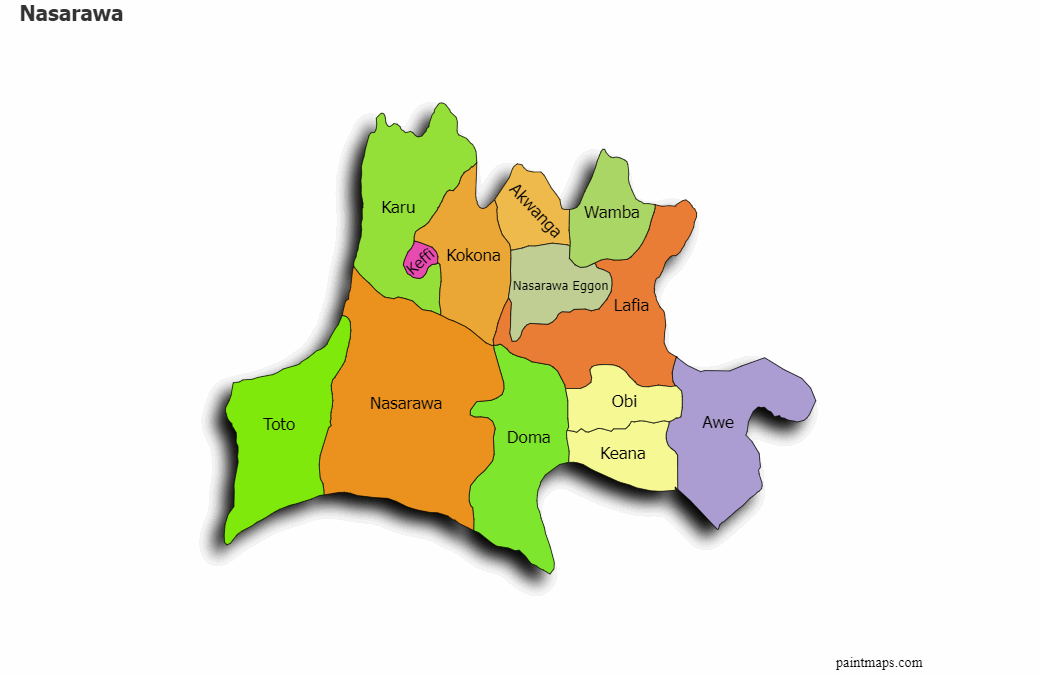
NASARAWA STATE FARMERS’ WEATHER GUIDE
| NASARAWA STATE FARMERS’ WEATHER GUIDE
2025 Seasonal Climate Prediction |
|
This information is sourced from the 2025 Seasonal Climate Prediction produced by the Nigeria Meteorological Agency (NiMet)Analysis by: HEDA Resource Centre |
|
🌧 NASARAWA STATE FARMERS’ GUIDE 2025
This guide explains exactly what this year’s weather means for your crops, fish ponds and livestock.
WHEN WILL THE RAINS COME?
For farmers in Akwanga, Keffi, and Karu:
Your rains will likely start between May 11-17. Don’t be fooled by early showers – wait until you’ve seen at least 3 days of good, steady rain before planting. The rains should last until November 13-15, giving you about 6 months to grow your crops. You’ll get about 1,200mm of rain – that’s enough if you use it wisely.
For farmers in Lafia, Awe, and Doma:
You’re luckier this year. Your rains will start earlier (May 3-11) and last longer – until November 16-20. You’ll get up to 1,400mm of rain. Please note that more rain doesn’t always mean better harvests. You need to be smart about it.
WHAT THIS MEANS FOR YOUR CROPS
For all farmers in Nasarawa:
- This year, timing is everything. Plant too early and your seeds will rot in dry soil. Plant too late and your crops won’t mature before the rains stop. Here’s what you must do:
- Watch the sky carefully in early May. When you see steady rains for 3 straight days, that’s your signal to start planting.
- Prepare your fields now while it’s dry. Clear bushes, repair tools, and get your seeds ready.
- In southern areas, the long rainy season means you can plant maize, yam, and beans. But be ready for floods – plant on mounds.
- In northern areas, you have less time. Focus on fast-growing crops like millet and sorghum.
THE BIGGEST DANGER THIS YEAR
There will be 15 dry days in July-August when no rain falls. Your crops may suffer if you don’t prepare. Here’s how to survive it:
- After planting, cover the soil between your plants with dry grass or leaves. This blanket keeps the soil moist.
- If you have water, save some for this dry period. Even a few buckets can save your crops.
- Weed your fields thoroughly before the dry spell comes. Weeds steal water from your crops.
SPECIAL ADVICE FOR DIFFERENT FARMERS
CROP-BY-CROP ADVICE
Cereal Crops
Maize Farmers:
- Best planting window: May 10-25
- Plant in rows spaced 75cm apart
- When plants reach knee-height, add fertilizer
- Watch for armyworms – check under leaves weekly
Rice Farmers:
- Lowland areas: Plant by June 1
- Upland areas: Plant by May 20
- Keep fields flooded with at least 5cm water
- Weed carefully – rice hates competition
Sorghum/Millet Farmers:
- Plant between May 15-30
- Choose drought-resistant varieties
- Space plants properly – don’t overcrowd
Tuber Crops
Yam Farmers:
- Prepare mounds early (April)
- Plant when rains are steady (late May)
- Use stakes to support vines
- Harvest October-November
Cassava Farmers:
- Plant cuttings May-June
- Space plants 1m apart
- Weed thoroughly for first 3 months
- Can harvest after 12-18 months
Legumes
Cowpea Farmers:
- Plant after cereals are established (June)
- Pick pods every 3-4 days to encourage more
- Dry beans thoroughly before storage
Groundnut Farmers:
- Plant in June
- Loosen soil well before planting
- Harvest when leaves turn yellow
- Dry pods completely before storage
Vegetable Farmers
Tomato/Pepper Growers:
- Start nurseries in April
- Transplant after May 20
- Use mulch to control weeds
- Watch for fungal diseases in rainy season
Okra Growers:
- Plant directly in field from May
- Harvest every other day
- Remove old pods to encourage new ones
LIVESTOCK CARE BY ANIMAL TYPE
- Cattle Owners
Now (Dry Season):
- Feed crop residues (maize stalks, groundnut tops)
- Provide clean water 2x daily
- Vaccinate against common diseases
Rainy Season:
- Watch for foot rot in wet conditions
- Deworm every 3 months
- Move herds to avoid waterlogged areas
Coming Dry Season:
- Start storing hay/silage now
- Identify water sources early
- Goat/Sheep Owners
Housing: Keep shelters dry and elevated
Feeding:
- Rainy season: Allow grazing but avoid flooded areas
- Dry season: Supplement with crop residues
Health:
- Deworm quarterly
- Trim hooves before rainy season
- Poultry Farmers
Broilers:
- Raise during cooler months
- Provide adequate ventilation
- Feed high-quality ration
Layers:
- Ensure 16 hours of light daily
- Provide calcium for egg shells
- Keep coops clean and dry
- Fish Farmers
- Stock ponds early in rainy season
- Feed twice daily with quality feed
- Monitor water quality – change if cloudy
- Harvest before heavy rains to avoid escapes
CRITICAL DANGER PERIODS
July 10-25 (Dry Spell):
Likely 15 days without rain
Prepare by:
- Mulching fields
- Having emergency water supply
- Reducing livestock numbers if necessary
September (Disease Peak):
Crops: Watch for fungal diseases
Livestock: Increase tick control
Fish: Monitor oxygen levels in ponds
SECTION 5: WHERE TO GET HELP
NiMet Nasarawa Office:
📞 Mr. Yakubu Samu
☎️ 08028981497
📧 y.samu@nimet.gov.ng, yaksamu@gmail.com
🌍 To download the SCP 2025, visit NiMet website: https://www.nimet.gov.ng/scp
Remember:
- Share this information with fellow farmers
- Call for help if you notice unusual weather
- Attend local agriculture extension meetings
- Ask Questions: If you don’t understand something, call the NiMet number.
- For farmers in riverine areas, prepare for possible floods
- All farmers – watch for the August break
Social Media
X: @nimetnigeria
LinkedIn, Facebook, Youtube: @Nigerian Meteorological Agency
Instagram: officialnimetng
Summary of Predicted Onset Date, Cessation Date, Length of Season and Annual Rainfall Amounts for States and Local Government Areas for Nasarawa state
| LGA | Start Date | End Date | Rainy Days | Annual Rainfall (mm) |
| Akwanga | 16-May | 13-Nov | 182 | 1171 |
| Awe | 4-May | 20-Nov | 200 | 1368 |
| Doma | 3-May | 20-Nov | 202 | 1392 |
| Karu | 17-May | 13-Nov | 180 | 1152 |
| Keana | 3-May | 20-Nov | 201 | 1382 |
| Keffi | 13-May | 15-Nov | 186 | 1218 |
| Kokona | 14-May | 14-Nov | 184 | 1193 |
| Lafia | 11-May | 16-Nov | 189 | 1251 |
| Nasarawa | 6-May | 19-Nov | 197 | 1338 |
| Nassarawa Egon | 11-May | 16-Nov | 189 | 1241 |
| Obi | 5-May | 19-Nov | 197 | 1340 |
| Toto | 5-May | 19-Nov | 199 | 1354 |
| Wamba | 5-May | 13-Nov | 182 | 1174 |