
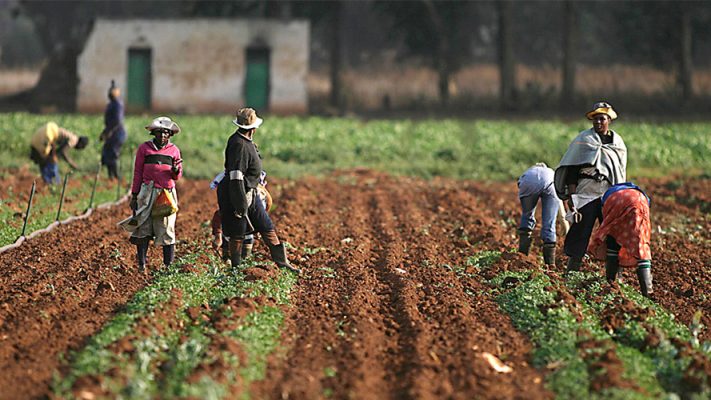
KATSINA STATE FARMERS’ WEATHER GUIDE
| KATSINA STATE FARMERS’ WEATHER GUIDE
2025 Seasonal Climate Prediction |
|
This information is sourced from the 2025 Seasonal Climate Prediction produced by the Nigeria Meteorological Agency (NiMet)Analysis by: HEDA Resource Centre |
|
🌧 KATSINA STATE FARMERS’ GUIDE 2025
This guide explains exactly what this year’s weather means for your crops, fish ponds and livestock.
RAIN SCHEDULE FOR YOUR FARM
Northern Katsina (Daura, Sandamu, Zango areas):
The rains will likely start between July 1-7. Don’t plant when you see the first light rain. Wait until there have been at least 3 days of steady, good rain. The rains will stop around October 12-20, giving you only 80-95 days (less than 3 months) of growing time. You’ll receive 450-500mm of rain – the lowest in Katsina State.
What this means for you:
- Your growing season is extremely short. You must plant your crops within 2 days after the proper rains start. Any delay means your crops may not mature before the dry season.
- Only plant crops that grow very fast – traditional 90-day millet and short-season sorghum varieties are safest.
- Immediately after planting, cover the soil between your crops with dry grass or leaves. This blanket keeps the soil moist during dry periods.
Central Katsina (Funtua, Malumfashi, Kafur areas):
Expect rains to start June 10-15 and end October 21-25. You’ll have 110-125 days (about 4 months) of growing time with 550-650mm of rain.
What this means for you:
- You can plant both early millet (June 10-20) and later cowpea (early July).
- There will likely be 15 dry days around July 20-August 5 when no rain falls. Keep dry grass ready to spread around your crops during this period.
- Weed your fields at least twice – weeds steal water and nutrients your crops need.
Southern Katsina (Kankara, Faskari, Sabuwa areas):
Your rains will start earliest (June 5-12) and last longest (until October 25-30). You’ll get 120-135 growing days and 650-750mm of rain – the most in Katsina State.
What this means for you:
- You have time to grow maize and other crops that take longer to mature.
- The extra rain can sometimes cause flooding. Plant your crops on small mounds or ridges to keep roots from drowning in too much water.
- Collect extra rainwater in pits, ponds or containers for use during dry periods.
BEST CROPS TO PLANT
For All Areas of Katsina:
🌾 Millet:
Best planting time:
North: July 5-10
Central/South: June 10-20
Key steps for success:
- Soak seeds in clean water overnight before planting – this helps them sprout faster
- Space plants 80cm apart (about 3 big steps) to give them room to grow
- When the hot dry period comes in July/August, add more dry grass between rows
🌾 Sorghum:
- Plant at the same time as millet
- Choose red “Daudawa” variety – it handles dry weather better than white sorghum
- After about 8 weeks, birds will come to eat the grains.
Only for Southern Katsina:
🌽 Maize:
- Must be planted by June 20 at the latest
- Check under leaves every 5 days. If you see green worms eating the leaves:
- Collect 1kg of wood ash, Mix with 10 liters of water, Spray on plants early in the morning
- If heavy winds come, maize stalks may fall. Plant in blocks (not single rows) to help plants support each other
🥜 Cowpea:
- Plant in July 5-15, after your other crops are growing
- Pick pods every 3 days – this makes the plants produce more
- Dry beans completely in the sun on raised mats before storing to prevent mold
CARING FOR YOUR ANIMALS
🐄 Cattle Owners:
- Grass in northern Katsina will dry up by October 10
- Start moving your herds southward by September 1
- Now is the time to collect and store: Sorghum stalks, Groundnut vines, Bean plants, Maize husks
🐐 Goat and Sheep Owners:
- During the hottest months (March-May):
- Provide shade using mats or tree branches
- Give clean water 3 times daily (morning, noon, evening)
- Add 1 handful of salt to their feed each week to keep them healthy
🐓 Poultry Farmers:
From March-May:
- Paint coops with white local clay to reflect heat
- Add extra water containers – change water twice daily
- Reduce number of birds in each cage by one-third to prevent overcrowding
DANGEROUS PERIODS TO WATCH FOR
July 20-August 5 (Big Dry Period):
Likely 15-18 days with little or no rain
Most at risk: Young millet plants (2-4 weeks old)
Prepare now:
- Gather dry grass and leaves
- Dig small water pits near your fields
- Assign family members to water young plants at dawn if possible
October (Harvest Time in Northern Areas):
Northern farmers must harvest by October 15
Look for these signs that crops are ready:
- Millet: Grains are hard like small pebbles
- Sorghum: Heads are drooping downward
- Cowpea: Pods are dry and cracking open
MONTHLY FARMING CALENDAR
May (Preparation Month):
- Clear fields completely – remove all weeds
- Repair all farming tools – hoes, cutlasses, baskets
- Visit your LGA agriculture office for drought-resistant seeds
June (Planting Month):
- Plant immediately when the proper rains come
- Mark fields where you had pest problems last year
July (Weeding and Protection Month):
- Weed all fields thoroughly
- Prepare dry spell defenses (mulching, water storage)
August (Preparation Month):
- Start storing crop residues for animal feed
- Prepare sites for dry season vegetable gardens
September (Harvest Month):
- Begin harvesting early crops
- Vaccinate your animals against common diseases
SECTION 5: WHERE TO GET HELP
NiMet Katsina Office:
📞 Mr. Hassan Abdulkadir
☎️ 07039076584
📧 habdulkadir41@gmail.com
🌍 To download the SCP 2025, visit NiMeT website: https://www.nimet.gov.ng/scp
Remember:
- Share this information with fellow farmers
- Call for help if you notice unusual weather
- Attend local agriculture extension meetings
- Ask Questions: If you don’t understand something, call the NiMet number.
- For farmers in riverine areas, prepare for possible floods
- All farmers – watch for the August break
Social Media
X: @nimetnigeria
LinkedIn, Facebook, Youtube: @Nigerian Meteorological Agency
Instagram: officialnimetng
Summary of Predicted Onset Date, Cessation Date, Length of Season and Annual Rainfall Amounts for States and Local Government Areas for Katsina state
| LGA | Start Date | End Date | Rainy Days | Annual Rainfall (mm) |
| Bakori | 14 – Jun | 18 – Oct | 118 | 722 |
| Batagarawa | 3 – Jul | 25 – Oct | 89 | 512 |
| Batsari | 1 – Jul | 25 – Oct | 91 | 509 |
| Baure | 2 – Jul | 13 – Oct | 91 | 507 |
| Bindawa | 30 – Jun | 25 – Oct | 91 | 509 |
| Charanchi | 29 – Jun | 25 – Oct | 96 | 505 |
| Dandume | 11 – Jun | 21 – Oct | 122 | 733 |
| Danja | 11 – Jun | 30 – Oct | 123 | 754 |
| Dan Musa | 23 – Jun | 25 – Oct | 104 | 562 |
| Daura | 4 – Jul | 20 – Oct | 87 | 465 |
| Dutsi | 3 – Jul | 18 – Oct | 89 | 466 |
| Dutsin-Ma | 26 – Jun | 25 – Oct | 100 | 553 |
| Faskari | 15 – Jun | 21 – Oct | 100 | 553 |
| Funtua | 12 – Jun | 25 – Oct | 99 | 553 |
| Ingawa | 29 – Jul | 13 – Oct | 95 | 455 |
| Jibia | 4 – Jul | 25 – Oct | 97 | 468 |
| Kafur | 14 – Jul | 13 – Oct | 95 | 455 |
| Kaita | 7 – Jun | 24 – Oct | 117 | 721 |
| Kankara | 19 – Jun | 17 – Oct | 105 | 558 |
| Kanka | 26 – Jun | 17 – Oct | 99 | 453 |
| Katsina | 4 – Jul | 13 – Oct | 86 | 466 |
| Kurfi | 30 – Jun | 15 – Oct | 93 | 457 |
| Kusada | 27 – Jun | 17 – Oct | 98 | 553 |
| Ma’idaua | 6 – Jul | 12 – Oct | 83 | 473 |
| Malumfashi | 17 – Jun | 22 – Oct | 113 | 562 |
| Mani | 3 – Jul | 14 – Oct | 89 | 462 |
| Mashi | 6 – Jul | 12 – Oct | 83 | 473 |
| Matazu | 24 – Jun | 19 – Oct | 103 | 453 |
| Musawa | 21 – Jun | 20 – Oct | 108 | 456 |
| Rimi | 2 – Jul | 14 – Oct | 90 | 460 |
| Sabuwa | 7 – Jul | 26 – Oct | 124 | 588 |
| Safana | 27 – Jun | 17 – Oct | 98 | 454 |
| Sandamu | 3 – Jul | 14 – Oct | 89 | 463 |
| Zango | 4 – Jul | 13 – Oct | 87 | 465 |