by Akinmayowa Shobo | Aug 19, 2025 | Climate Justice, ejsd-Blog
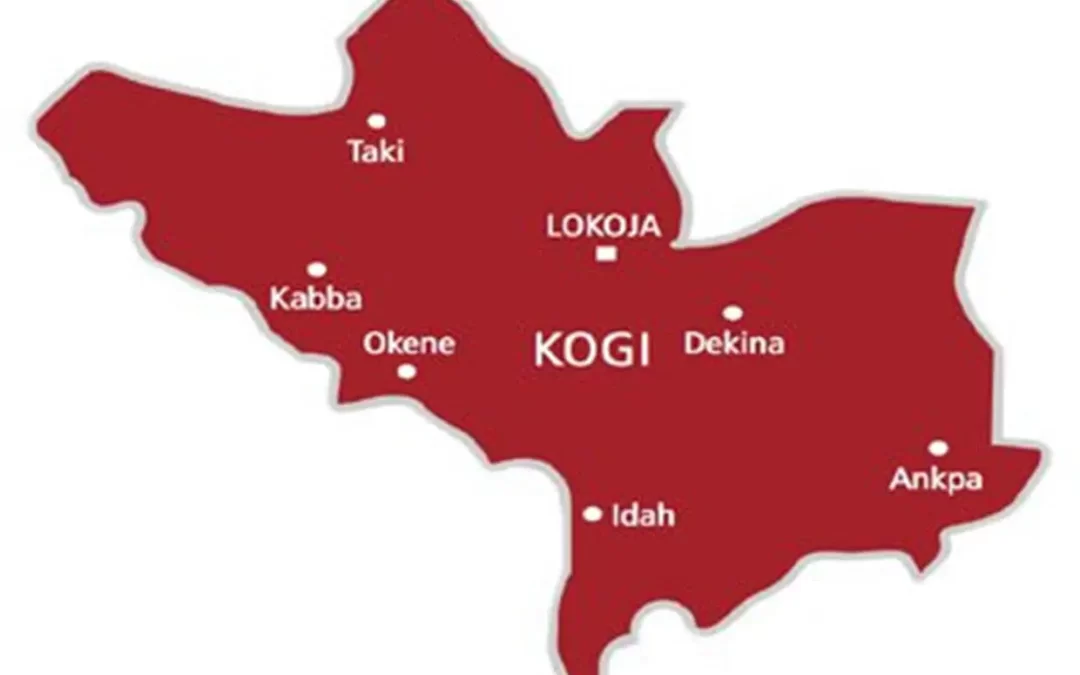
| KOGI STATE FARMERS’ WEATHER GUIDE
2025 Seasonal Climate Prediction |
|
This information is sourced from the 2025 Seasonal Climate Prediction produced by the Nigeria Meteorological Agency (NiMet)
Analysis by: HEDA Resource Centre
|
🌧 KOGI STATE FARMERS’ GUIDE 2025
This guide explains exactly what this year’s weather means for your crops, fish ponds and livestock.
RAIN SCHEDULE FOR YOUR FARM
Northern Kogi (Lokoja, Kogi, Ajaokuta areas):
The rains will likely start between April 22-28. But don’t plant immediately when you see the first rain. Wait until there have been at least 3 days of steady, good rain. The rains will stop around November 20-27, giving you about 180-195 days (6-6.5 months) of growing time. You will receive about 1300-1677mm of rain – that’s more than double what farmers in northern states get.
What this means for you:
- Your growing season is long enough for two crop cycles if you plan well.
- The heavy rains can cause flooding. Always plant on raised mounds or ridges at least 1 foot high.
- After heavy downpours, check your fields for standing water. If water remains more than 2 days, dig small drainage channels.
Central Kogi (Okene, Adavi, Okehi areas):
Expect rains to start April 17-25 and end November 24-28. You’ll have about 190-203 days (6-7 months) of growing time with 1500-1700mm of rain.
What this means for you:
- You have the best conditions for yam and cassava in Kogi State.
- The wet soil can cause diseases. Space your plants wider than normal to allow air flow.
- Rotate your crops each season – don’t plant the same crop in the same spot year after year.
Southern Kogi (Ibaji, Idah, Igalamela areas):
Your rains will start earliest (April 13-17) and last longest (until December 1). You’ll get 207-220 growing days and 1580-1834mm of rain – the most in Kogi state.
What this means for you:
- You can grow three crop cycles if you manage your time well.
- Flooding is your biggest risk. Plant on raised beds at least 1.5 feet high.
- Collect extra rainwater in ponds or tanks for dry season farming.
BEST CROPS TO PLANT
For All Areas of Kogi:
🌾 Cassava:
Best planting time:
First planting: April 20 – May 15
Second planting: August 1-20
Key steps:
- Select healthy stems about 1 meter long from disease-free plants
- Cut stems at 45-degree angle – this helps prevent rot
- Plant stems at 45-degree angle, 1 meter apart to allow space for growth
- Weed thoroughly at 3 weeks and again at 8 weeks after planting
- Apply organic manure or compost around plants at 6 weeks
- Watch for cassava mosaic disease – remove infected plants immediately
🌾 Yam:
Best planting time: March 25 – April 30
Key steps:
- Prepare ridges 1 meter apart and at least 1 foot high
- Select healthy seed yams about the size of a fist
- Plant seed yams 1 foot deep in the ridges
- Provide stakes for vines to climb – this increases yield by 30%
- Mulch with dry grass or leaves to retain moisture
- Harvest after 8-10 months when leaves turn yellow
For Areas with Longer Growing Seasons:
🌽 Maize:
Planting time:
First crop: April 15 – May 10
Second crop: July 20 – August 10
Key steps:
- Plant 3 seeds per hole, spaced 75cm apart
- Thin to 2 strongest plants per stand after 2 weeks
- Check under leaves every 5 days for armyworms
- If worms appear, mix 1 cup wood ash with 5 liters water and spray in morning
- Apply fertilizer at 3 weeks and 6 weeks after planting
- Harvest when husks turn brown and kernels are hard
🥜 Cowpea:
Planting time: June 10-30
Key steps:
- Plant after cereals are established (about 3 weeks after)
- Space plants 50cm apart in rows 75cm apart
- Pick pods every 3 days to encourage more production
- Dry beans on raised platforms for 3 sunny days
- Store in airtight containers with neem leaves to prevent weevils
CARING FOR YOUR ANIMALS
For Cattle Owners:
Pasture Management:
- Plant improved grasses like Guinea grass and Elephant grass around your farm
- Rotate grazing areas to allow grass to regrow
- Cut and store grass during rainy season for dry season feed
Feed Supplements:
- Provide mineral licks year-round
- Give salt blocks to encourage water intake
- Feed crop residues like maize stover and bean haulms
Health Care:
- Deworm every 3 months (March, June, September, December)
- Vaccinate against contagious diseases
- Check for ticks daily during rainy season
For Goat and Sheep Owners:
Shelter Improvements:
- Build raised wooden floors to keep animals dry
- Provide shade nets during hot months
- Ensure proper ventilation in pens
Feeding Practices:
- Provide fresh water twice daily in clean containers
- Add a pinch of salt to feed weekly
- Allow grazing only after morning dew dries to prevent worms
Health Maintenance:
- Trim hooves every 2 months
- Vaccinate against PPR disease
- Isolate sick animals immediately
For Poultry Farmers:
- Whitewash walls with local clay to reflect heat
- Keep bedding dry – change wood shavings weekly
- Provide 1 square foot space per bird
Feeding:
- Provide balanced feed twice daily
- Add grit for better digestion
- Give clean water constantly
Disease Prevention:
- Vaccinate chicks at day-old against Newcastle disease
- Remove sick birds immediately
DANGEROUS PERIODS TO WATCH FOR
July-August (Heavy Rains):
Risks:
- Fields may flood, drowning crops
- Diseases spread quickly in wet conditions
- Animals may suffer from foot rot
Preparation:
- Clear all drainage channels before rains start
- Harvest early-maturing crops if ready
- Move animals to higher ground
- Store dry feed in raised, covered areas
September (Disease Peak Month):
Watch For:
- Black spots on cassava leaves (sign of disease)
- Coughing or sneezing in poultry
Solutions:
- Remove and burn infected plants immediately
- Spray organic fungicides made from neem or garlic
- Improve ventilation in animal shelters
- Separate sick animals from healthy ones
MONTH-BY-MONTH WORK PLAN
March-April:
- Clear fields completely – remove all weeds and debris
- Prepare planting sites – make ridges for yam, mounds for cassava
- Repair all farm tools – hoes, cutlasses, baskets
- Build or repair animal shelters
May-June:
- Plant first crops – yam, maize, early cassava
- First weeding – do this carefully to avoid damaging young plants
- Start fish ponds if you have water sources
- Vaccinate all young animals
July-August:
- Second weeding – crucial for good yields
- Watch fields closely for signs of flooding
- Plant second maize crop if you have long season
- Harvest early vegetables like okra and pepper
September-October:
- Begin main harvests of yam and early cassava
- Dry and store grains properly to prevent mold
- Plant dry season vegetables near water sources
- Prepare animal feed stores for dry season
November-December:
- Process and store crops properly
- Maintain and repair all farm equipment
- Plan next year’s farming activities
SECTION 5: WHERE TO GET HELP
NiMet Kogi Office:
📞 Miss Umar Ralia O.
☎️ 08057334354, 08035984648
📧 r.umar@nimet.gov.ng, ralia.umar@yahoo.com
🌍 To download the SCP 2025, visit NiMeT website: https://www.nimet.gov.ng/scp
Remember:
- Share this information with fellow farmers
- Call for help if you notice unusual weather
- Attend local agriculture extension meetings
- Ask Questions: If you don’t understand something, call the NiMet number.
- For farmers in riverine areas, prepare for possible floods
- All farmers – watch for the August break
Social Media
X: @nimetnigeria
LinkedIn, Facebook, Youtube: @Nigerian Meteorological Agency
Instagram: officialnimetng
Summary of Predicted Onset Date, Cessation Date, Length of Season and Annual Rainfall Amounts for States and Local Government Areas for Kogi state
| LGA |
Start Date |
End Date |
Rainy Days |
Annual Rainfall (mm) |
| Adavi |
25 – Apr |
25- Oct |
188 |
1547 |
| Ajaokuta |
22 – Apr |
27 – Nov |
193 |
1677 |
| Ankpa |
23 – Apr |
24 – Nov |
193 |
1618 |
| Bassa |
27 – Apr |
23 – Nov |
186 |
1618 |
| Dekina |
14 – Apr |
25 – Nov |
191 |
1516 |
| Ibaji |
13 – Apr |
1 – Dec |
207 |
1582 |
| Idah |
17 – Apr |
26 – Nov |
201 |
1834 |
| Igalamela-Odolu |
17 – Apr |
24 – Nov |
201 |
1739 |
| Ijumu |
28 – Apr |
13 – Nov |
184 |
1741 |
| Kabba/Bunu |
1 – May |
21 – Nov |
180 |
1491 |
| Kogi |
3 – May |
23 – Nov |
176 |
1308 |
| Lokoja |
21 – May |
20 – Nov |
176 |
1382 |
| Mopa-Muro |
3 – May |
27 – Nov |
177 |
1402 |
| Ofu |
21 – Apr |
27 – Nov |
195 |
1647 |
| Ogori/Magongo |
23 – Apr |
26 – Nov |
187 |
1529 |
| Okehi |
26 – Apr |
24 – Nov |
187 |
1529 |
| Okene |
22 – Apr |
26 – Nov |
192 |
1605 |
| Olamabolo |
18 – Apr |
28 – Nov |
199 |
1700 |
| Omala |
27 – Apr |
23 – Nov |
186 |
1509 |
| Yagba West |
2 – May |
21 – Nov |
177 |
1399 |
| Yagba West |
4 – May |
20 – Nov |
175 |
1368 |
\
by Akinmayowa Shobo | Aug 19, 2025 | Climate Justice, ejsd-Blog
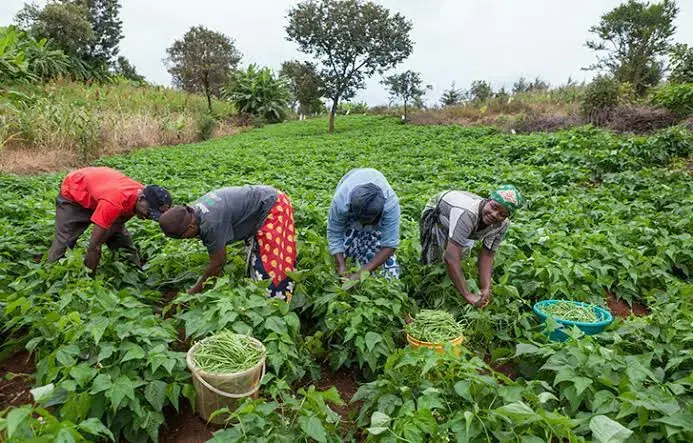
| KEBBI STATE FARMERS’ WEATHER GUIDE
2025 Seasonal Climate Prediction |
|
This information is sourced from the 2025 Seasonal Climate Prediction produced by the Nigeria Meteorological Agency (NiMet)
Analysis by: HEDA Resource Centre
|
🌧 KEBBI STATE FARMERS’ GUIDE 2025
This guide explains exactly what this year’s weather means for your crops, fish ponds and livestock.
RAIN SCHEDULE FOR YOUR FARM
Northern Kebbi (Arewa-Dandi, Argungu, Augie areas):
The rains will likely start between July 1-11. Don’t plant when you see the first light rain. Wait until there have been at least 3 days of steady, good rain. The rains will stop around October 14-19, giving you only 75-89 days (about 2.5 months) of growing time. You’ll receive 500-613mm of rain – the lowest in Kebbi State.
What this means for you:
- Your growing season is extremely short. You must plant your crops within 2 days after the proper rains start. Any delay means your crops may not mature before the dry season.
- Only plant crops that grow very fast – traditional 90-day millet and short-season sorghum varieties are safest.
- Immediately after planting, cover the soil between your crops with dry grass or leaves. This blanket keeps the soil moist during dry periods.
Central Kebbi (Birnin Kebbi, Kalgo, Bunza areas):
Expect rains to start June 23-29 and end October 19-20. You’ll have 93-97 days (about 3 months) of growing time with 603-605mm of rain.
What this means for you:
- You can plant both early millet (June 25-30) and quick-growing cowpea (early July).
- There will likely be 10-15 dry days around August 1-15 when no rain falls. Keep dry grass ready to spread around your crops during this period.
- Weed your fields at least twice – weeds steal water and nutrients your crops need.
Southern Kebbi (Bagudo, Danko, Sakaba areas):
Your rains will start earliest (June 10-13) and last longest (until October 25-27). You’ll get 116-127 growing days and 627-650mm of rain – the most in Kebbi State.
What this means for you:
- You have time to grow maize and other crops that take longer to mature.
- The extra rain can sometimes cause flooding. Plant your crops on small mounds or ridges to keep roots from drowning in too much water.
- Collect extra rainwater in pits, ponds or containers for use during dry periods.
BEST CROPS TO PLANT
For All Areas of Kebbi:
🌾 Millet:
Best planting time:
North: July 5-10
Central/South: June 15-25
Key steps for success:
- Soak seeds in clean water overnight before planting – this helps them sprout faster
- Space plants 70cm apart (about 2.5 big steps) to give them room to grow
- When the hot dry period comes in July/August, add more dry grass between rows
🌾 Sorghum:
Plant at the same time as millet
Choose short-stemmed varieties that handle dry weather better
Only for Southern Kebbi:
🌽 Maize:
- Must be planted by June 25 at the latest.
- Check under leaves every 5 days. If you see green worms eating the leaves: Collect 1kg of wood ash, Mix with 10 liters of water, Spray on plants early in the morning.
- If heavy winds come, maize stalks may fall. Plant in blocks (not single rows) to help plants support each other
🥜 Cowpea:
- Plant in July 10-20, after your other crops are growing
- Pick pods every 3 days – this makes the plants produce more
- Dry beans completely in the sun on raised mats before storing to prevent mold
CARING FOR YOUR ANIMALS
🐄 Cattle Owners:
- Grass in northern Kebbi will dry up by October 10
- Start moving your herds south by September 1
- Now is the time to collect and store:
Sorghum stalks, Rice straw, Groundnut vines, Maize husks
🐐 Goat and Sheep Owners:
During the hottest months (March-May):
- Provide shade using mats or tree branches
- Give clean water 3 times daily (morning, noon, evening)
- Add 1 handful of salt to their feed each week to keep them healthy
🐓 Poultry Farmers:
From March-May:
- Paint coops with white local clay to reflect heat
- Add extra water containers – change water twice daily
- Reduce number of birds in each cage by one-third to prevent overcrowding
DANGEROUS PERIODS TO WATCH FOR
August 1-15 (Major Dry Spell):
Likely 10-15 days with little or no rain
Most at risk: Young millet plants (2-4 weeks old)
Prepare now:
- Gather dry grass and leaves
- Dig small water pits near your fields
- Assign family members to water young plants at dawn if possible
October (Harvest Time in Northern Areas):
Northern farmers must harvest by October 15
Look for these signs that crops are ready:
- Millet: Grains are hard like small pebbles
- Sorghum: Heads are drooping downward
- Cowpea: Pods are dry and cracking open
MONTHLY FARMING CALENDAR
May (Preparation Month):
- Clear fields completely – remove all weeds
- Repair all farming tools – hoes, cutlasses, baskets
- Visit your LGA agriculture office for drought-resistant seeds
June (Planting Month):
- Plant immediately when the proper rains come
- Mark fields where you had pest problems last year
July (Weeding and Protection Month):
- Weed all fields thoroughly
- Prepare dry spell defenses (mulching, water storage)
August (Preparation Month):
- Start storing crop residues for animal feed
- Prepare sites for dry season vegetable gardens
September (Harvest Month):
- Begin harvesting early crops
- Vaccinate your animals against common diseases
SECTION 5: WHERE TO GET HELP
NiMet Kebbi Office:
📞 Mr. Garba Muh’d Ribah
☎️ 08061263508
📧 m.ribah@nimet.gov.ng
🌍 To download the SCP 2025, visit NiMeT website: https://www.nimet.gov.ng/scp
Remember:
- Share this information with fellow farmers
- Call for help if you notice unusual weather
- Attend local agriculture extension meetings
- Ask Questions: If you don’t understand something, call the NiMet number.
- For farmers in riverine areas, prepare for possible floods
- All farmers – watch for the August break
Social Media
X: @nimetnigeria
LinkedIn, Facebook, Youtube: @Nigerian Meteorological Agency
Instagram: officialnimetng
Summary of Predicted Onset Date, Cessation Date, Length of Season and Annual Rainfall Amounts for States and Local Government Areas for Kebbi state
| LGA |
Start Date |
End Date |
Rainy Days |
Annual Rainfall (mm) |
| Aleiro |
1-Jul |
19-Oct |
89 |
603 |
| Arewa-Dandi |
7 – Jul |
16 – Oct |
81 |
605 |
| Argungu |
7 – Jul |
16 – Oct |
81 |
605 |
| Augie |
11 – Jul |
14 – Oct |
75 |
613 |
| Bagudo |
10 – Jun |
26 – Oct |
117 |
636 |
| Birnin Kebbi |
4 – Jul |
18 – Oct |
86 |
603 |
| Bunza |
29 – Jun |
20 – Oct |
93 |
605 |
| Dandi |
17 – Jun |
22 – Oct |
107 |
613 |
| Danko Wasagu |
12 – Jun |
25 – Oct |
115 |
630 |
| Fakai |
12 – Jun |
25 – Oct |
115 |
628 |
| Gwandu |
4 – Jul |
17 – Oct |
85 |
603 |
| Jega |
29 – Jun |
20 – Oct |
93 |
605 |
| Kalgo |
23 – Jun |
19 – Oct |
97 |
603 |
| Koko/Besse |
11 – Jun |
25 – Oct |
116 |
633 |
| Maiyama |
19 – Jun |
24 – Oct |
104 |
624 |
| Ngaski |
30 – May |
1 – Nov |
134 |
706 |
| Sakaba |
8 – Jun |
27 – Oct |
122 |
650 |
| Shanga |
9 – Jun |
27 – Oct |
120 |
645 |
| Suru |
15 – Jun |
23 – Oct |
110 |
617 |
| Yauri |
5 – Jun |
29 – Oct |
127 |
669 |
| Zuru |
13 – Jun |
25 – Oct |
114 |
627 |
by Akinmayowa Shobo | Aug 19, 2025 | Climate Justice, ejsd-Blog
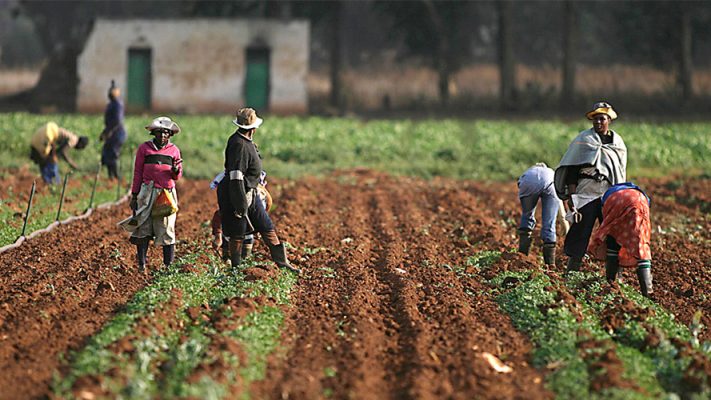
| KATSINA STATE FARMERS’ WEATHER GUIDE
2025 Seasonal Climate Prediction |
|
This information is sourced from the 2025 Seasonal Climate Prediction produced by the Nigeria Meteorological Agency (NiMet)
Analysis by: HEDA Resource Centre
|
🌧 KATSINA STATE FARMERS’ GUIDE 2025
This guide explains exactly what this year’s weather means for your crops, fish ponds and livestock.
RAIN SCHEDULE FOR YOUR FARM
Northern Katsina (Daura, Sandamu, Zango areas):
The rains will likely start between July 1-7. Don’t plant when you see the first light rain. Wait until there have been at least 3 days of steady, good rain. The rains will stop around October 12-20, giving you only 80-95 days (less than 3 months) of growing time. You’ll receive 450-500mm of rain – the lowest in Katsina State.
What this means for you:
- Your growing season is extremely short. You must plant your crops within 2 days after the proper rains start. Any delay means your crops may not mature before the dry season.
- Only plant crops that grow very fast – traditional 90-day millet and short-season sorghum varieties are safest.
- Immediately after planting, cover the soil between your crops with dry grass or leaves. This blanket keeps the soil moist during dry periods.
Central Katsina (Funtua, Malumfashi, Kafur areas):
Expect rains to start June 10-15 and end October 21-25. You’ll have 110-125 days (about 4 months) of growing time with 550-650mm of rain.
What this means for you:
- You can plant both early millet (June 10-20) and later cowpea (early July).
- There will likely be 15 dry days around July 20-August 5 when no rain falls. Keep dry grass ready to spread around your crops during this period.
- Weed your fields at least twice – weeds steal water and nutrients your crops need.
Southern Katsina (Kankara, Faskari, Sabuwa areas):
Your rains will start earliest (June 5-12) and last longest (until October 25-30). You’ll get 120-135 growing days and 650-750mm of rain – the most in Katsina State.
What this means for you:
- You have time to grow maize and other crops that take longer to mature.
- The extra rain can sometimes cause flooding. Plant your crops on small mounds or ridges to keep roots from drowning in too much water.
- Collect extra rainwater in pits, ponds or containers for use during dry periods.
BEST CROPS TO PLANT
For All Areas of Katsina:
🌾 Millet:
Best planting time:
North: July 5-10
Central/South: June 10-20
Key steps for success:
- Soak seeds in clean water overnight before planting – this helps them sprout faster
- Space plants 80cm apart (about 3 big steps) to give them room to grow
- When the hot dry period comes in July/August, add more dry grass between rows
🌾 Sorghum:
- Plant at the same time as millet
- Choose red “Daudawa” variety – it handles dry weather better than white sorghum
- After about 8 weeks, birds will come to eat the grains.
Only for Southern Katsina:
🌽 Maize:
- Must be planted by June 20 at the latest
- Check under leaves every 5 days. If you see green worms eating the leaves:
- Collect 1kg of wood ash, Mix with 10 liters of water, Spray on plants early in the morning
- If heavy winds come, maize stalks may fall. Plant in blocks (not single rows) to help plants support each other
🥜 Cowpea:
- Plant in July 5-15, after your other crops are growing
- Pick pods every 3 days – this makes the plants produce more
- Dry beans completely in the sun on raised mats before storing to prevent mold
CARING FOR YOUR ANIMALS
🐄 Cattle Owners:
- Grass in northern Katsina will dry up by October 10
- Start moving your herds southward by September 1
- Now is the time to collect and store: Sorghum stalks, Groundnut vines, Bean plants, Maize husks
🐐 Goat and Sheep Owners:
- During the hottest months (March-May):
- Provide shade using mats or tree branches
- Give clean water 3 times daily (morning, noon, evening)
- Add 1 handful of salt to their feed each week to keep them healthy
🐓 Poultry Farmers:
From March-May:
- Paint coops with white local clay to reflect heat
- Add extra water containers – change water twice daily
- Reduce number of birds in each cage by one-third to prevent overcrowding
DANGEROUS PERIODS TO WATCH FOR
July 20-August 5 (Big Dry Period):
Likely 15-18 days with little or no rain
Most at risk: Young millet plants (2-4 weeks old)
Prepare now:
- Gather dry grass and leaves
- Dig small water pits near your fields
- Assign family members to water young plants at dawn if possible
October (Harvest Time in Northern Areas):
Northern farmers must harvest by October 15
Look for these signs that crops are ready:
- Millet: Grains are hard like small pebbles
- Sorghum: Heads are drooping downward
- Cowpea: Pods are dry and cracking open
MONTHLY FARMING CALENDAR
May (Preparation Month):
- Clear fields completely – remove all weeds
- Repair all farming tools – hoes, cutlasses, baskets
- Visit your LGA agriculture office for drought-resistant seeds
June (Planting Month):
- Plant immediately when the proper rains come
- Mark fields where you had pest problems last year
July (Weeding and Protection Month):
- Weed all fields thoroughly
- Prepare dry spell defenses (mulching, water storage)
August (Preparation Month):
- Start storing crop residues for animal feed
- Prepare sites for dry season vegetable gardens
September (Harvest Month):
- Begin harvesting early crops
- Vaccinate your animals against common diseases
SECTION 5: WHERE TO GET HELP
NiMet Katsina Office:
📞 Mr. Hassan Abdulkadir
☎️ 07039076584
📧 habdulkadir41@gmail.com
🌍 To download the SCP 2025, visit NiMeT website: https://www.nimet.gov.ng/scp
Remember:
- Share this information with fellow farmers
- Call for help if you notice unusual weather
- Attend local agriculture extension meetings
- Ask Questions: If you don’t understand something, call the NiMet number.
- For farmers in riverine areas, prepare for possible floods
- All farmers – watch for the August break
Social Media
X: @nimetnigeria
LinkedIn, Facebook, Youtube: @Nigerian Meteorological Agency
Instagram: officialnimetng
Summary of Predicted Onset Date, Cessation Date, Length of Season and Annual Rainfall Amounts for States and Local Government Areas for Katsina state
| LGA |
Start Date |
End Date |
Rainy Days |
Annual Rainfall (mm) |
| Bakori |
14 – Jun |
18 – Oct |
118 |
722 |
| Batagarawa |
3 – Jul |
25 – Oct |
89 |
512 |
| Batsari |
1 – Jul |
25 – Oct |
91 |
509 |
| Baure |
2 – Jul |
13 – Oct |
91 |
507 |
| Bindawa |
30 – Jun |
25 – Oct |
91 |
509 |
| Charanchi |
29 – Jun |
25 – Oct |
96 |
505 |
| Dandume |
11 – Jun |
21 – Oct |
122 |
733 |
| Danja |
11 – Jun |
30 – Oct |
123 |
754 |
| Dan Musa |
23 – Jun |
25 – Oct |
104 |
562 |
| Daura |
4 – Jul |
20 – Oct |
87 |
465 |
| Dutsi |
3 – Jul |
18 – Oct |
89 |
466 |
| Dutsin-Ma |
26 – Jun |
25 – Oct |
100 |
553 |
| Faskari |
15 – Jun |
21 – Oct |
100 |
553 |
| Funtua |
12 – Jun |
25 – Oct |
99 |
553 |
| Ingawa |
29 – Jul |
13 – Oct |
95 |
455 |
| Jibia |
4 – Jul |
25 – Oct |
97 |
468 |
| Kafur |
14 – Jul |
13 – Oct |
95 |
455 |
| Kaita |
7 – Jun |
24 – Oct |
117 |
721 |
| Kankara |
19 – Jun |
17 – Oct |
105 |
558 |
| Kanka |
26 – Jun |
17 – Oct |
99 |
453 |
| Katsina |
4 – Jul |
13 – Oct |
86 |
466 |
| Kurfi |
30 – Jun |
15 – Oct |
93 |
457 |
| Kusada |
27 – Jun |
17 – Oct |
98 |
553 |
| Ma’idaua |
6 – Jul |
12 – Oct |
83 |
473 |
| Malumfashi |
17 – Jun |
22 – Oct |
113 |
562 |
| Mani |
3 – Jul |
14 – Oct |
89 |
462 |
| Mashi |
6 – Jul |
12 – Oct |
83 |
473 |
| Matazu |
24 – Jun |
19 – Oct |
103 |
453 |
| Musawa |
21 – Jun |
20 – Oct |
108 |
456 |
| Rimi |
2 – Jul |
14 – Oct |
90 |
460 |
| Sabuwa |
7 – Jul |
26 – Oct |
124 |
588 |
| Safana |
27 – Jun |
17 – Oct |
98 |
454 |
| Sandamu |
3 – Jul |
14 – Oct |
89 |
463 |
| Zango |
4 – Jul |
13 – Oct |
87 |
465 |
|
|
|
|
|

by Akinmayowa Shobo | Aug 19, 2025 | Climate Justice, ejsd-Blog
| KANO STATE FARMERS’ WEATHER GUIDE
2025 Seasonal Climate Prediction |
|
This information is sourced from the 2025 Seasonal Climate Prediction produced by the Nigeria Meteorological Agency (NiMet)
Analysis by: HEDA Resource Centre
|
🌧 KANO STATE FARMERS’ GUIDE 2025
This guide explains exactly what this year’s weather means for your crops, fish ponds and livestock.
RAIN SCHEDULE FOR YOUR FARM
Northern Kano (Bichi, Dambatta, Tsanyawa areas):
The rains will likely start between June 19-24. But don’t plant immediately when you see the first rain. Wait until there have been at least 3 days of steady, good rain. The rains will stop around October 18-21, giving you only about 110 days (less than 4 months) of growing time. You’ll receive about 500-600mm of rain – that’s about half of what farmers in southern Kano get.
What this means for you:
- Your growing season is very short. You must plant your crops within 3 days after the proper rains start. Any delay could mean your crops won’t mature before the rains end.
- Only plant crops that grow very fast – traditional millet and sorghum varieties that mature in 90-100 days are safest.
- After planting, cover the soil between your crops with dry grass or leaves. This blanket will keep the soil moist when dry periods come.
Central Kano (Kano Municipal, Dawakin Kudu areas):
Expect rains to start June 15-20 and end October 21-25. You’ll have about 120 days (4 months) of growing time with 600-700mm of rain.
What this means for you:
- You can plant both early millet and later cowpea crops.
- There will likely be 15 dry days around July 10-25 when no rain falls. Prepare for this by keeping dry grass ready to spread around your crops.
- Weed your fields at least twice – weeds steal water your crops need.
Southern Kano (Doguwa, Tudun Wada areas):
Your rains will start earlier (June 9-13) and last longer (until October 25-27). You’ll get 130 growing days and 700-840mm of rain – the most in Kano state.
What this means for you:
- You have time to grow maize and other crops that take longer to mature.
- The extra rain can cause flooding. Plant your crops on small mounds or ridges to keep roots from drowning.
- Collect extra rainwater in pits or containers for use during dry periods.
BEST CROPS TO PLANT
For All Areas of Kano:
Millet:
- Best planting time: June 10-25
- Before planting, soak your seeds in clean water overnight. This helps them sprout faster.
- Space your plants about 75cm (2.5 feet) apart to give them room to grow.
- When the July hot period comes, spread dry grass between the rows to protect the soil.
Sorghum:
- Plant at the same time as millet
- The red-colored sorghum varieties handle dry weather better than white ones
Only for Southern Kano (Group 3 areas):
Maize:
- Must be planted by June 15 at the latest
- Check under the leaves every week. If you see green worms eating the leaves, make a natural spray by boiling neem leaves in water, letting it cool, and spraying it on the plants.
- If heavy winds come, maize stalks may fall over. Planting in blocks (not single rows) helps the plants support each other.
Cowpea:
- Plant in early July, after your other crops are already growing
- Pick the pods every 3 days to keep the plants producing more
- Dry the beans completely in the sun before storing to prevent mold
CARING FOR YOUR ANIMALS
For Cattle Owners:
- The grass in northern Kano will dry up by October. Start moving your animals southward in September.
- Now is the time to collect and store crop residues like sorghum stalks and groundnut vines for dry season feed.
For Goat and Sheep Owners:
During the hottest months (March-May):
- Provide shade using mats or tree branches
- Give clean water at least 3 times daily
- Add a little salt to their feed to help them stay healthy
For Poultry Farmers:
- Paint your chicken coops white to reflect heat
- Add extra water containers during hot weather
- Reduce the number of birds in each cage to prevent overcrowding
DANGEROUS PERIODS TO WATCH FOR
July 10-25 (Dry Spell):
- There will likely be 15 days with little or no rain
- Crops planted in June will be most vulnerable
Before July:
- Collect dry grass and leaves
- Spread this mulch around your crops
- If possible, have water ready for emergency watering
September (Harvest Time in Northern Areas):
- Don’t wait too long to harvest
- For millet: Harvest when grains are hard like uncooked rice
- For sorghum: Harvest when the heads start to droop
MONTHLY FARMING CALENDAR
May (Preparation Month):
- Clear your fields completely
- Repair all farming tools
- Visit your local agriculture office for advice
June (Planting Month):
- Plant immediately when the proper rains come
- Mark any areas where pests were a problem last year
July (Weeding Month):
- Weed your fields thoroughly
- Prepare for the dry spell by mulching
August (Preparation Month):
- Start storing crop residues for animal feed
- Prepare sites for dry season gardens
September (Harvest Month):
- Begin harvesting early crops
- Store your grains properly to keep them safe
SECTION 5: WHERE TO GET HELP
NiMet Kano Office:
📞 Mr Banky Ambore
☎️ 08026963553, 09034442692
📧 b.jonathan@nimet.gov.ng, bankiambore@yahoo.com
🌍 To download the SCP 2025, visit NiMeT website: https://www.nimet.gov.ng/scp
Remember:
- Share this information with fellow farmers
- Call for help if you notice unusual weather
- Attend local agriculture extension meetings
- Ask Questions: If you don’t understand something, call the NiMet number.
- For farmers in riverine areas, prepare for possible floods
- All farmers – watch for the August break
Social Media
X: @nimetnigeria
LinkedIn, Facebook, Youtube: @Nigerian Meteorological Agency
Instagram: officialnimetng
Summary of Predicted Onset Date, Cessation Date, Length of Season and Annual Rainfall Amounts for States and Local Government Areas for Kano state
| LGA |
Start Date |
End Date |
Rainy Days |
Annual Rainfall (mm) |
| Ajingi |
19-Jun |
21-Oct |
113 |
709 |
| Albasu |
15-Jun |
24-Oct |
119 |
720 |
| Bagwai |
21-Jun |
20-Oct |
109 |
506 |
| Bebeji |
13-Jun |
25-Oct |
122 |
726 |
| Bichi |
24-Jun |
19-Oct |
105 |
503 |
| Bunkure |
15-Jun |
24-Oct |
119 |
720 |
| Dala |
20-Jun |
21-Oct |
111 |
607 |
| Dambatta |
26-Jun |
18-Oct |
102 |
503 |
| Dawakin Kudu |
17-Jun |
23-Oct |
116 |
714 |
| Dawakin Tofa |
22-Jun |
20-Oct |
108 |
505 |
| Doguwa |
4-Jun |
29-Oct |
135 |
840 |
| Fagge |
6-Jun |
21-Oct |
111 |
708 |
| Gabasawa |
21-Jun |
20-Oct |
109 |
505 |
| Garko |
15-Jun |
24-Oct |
121 |
624 |
| Garum Mallam |
15-Jun |
24-Oct |
119 |
620 |
| Gaya |
17 – Jun |
23 – Oct |
116 |
614 |
| Gezawa |
20 – Jun |
21 – Oct |
110 |
507 |
| Gwale |
19 – Jun |
21 – Oct |
112 |
608 |
| Gwarzo |
18 – Jun |
22 – Oct |
113 |
610 |
| Kabo |
18 – Jun |
22 – Oct |
114 |
611 |
| Kano Municipal |
19 – Jun |
21 – Oct |
112 |
609 |
| Karaye |
19 – Jun |
23 – Oct |
116 |
615 |
| Kibiya |
12 – Jun |
25 – Oct |
123 |
628 |
| Kiru |
16 – Jun |
23 – Oct |
120 |
622 |
| Kumbotso |
19 – Jun |
21 – Oct |
113 |
610 |
| Kunchi |
12 – Jun |
25 – Oct |
102 |
503 |
| Kura |
16 – Jun |
23 – Oct |
116 |
615 |
| Madobi |
13 – Jun |
23 – Oct |
115 |
613 |
| Makoda |
25 – Jun |
21 – Oct |
103 |
503 |
| Minjibir |
23 – Jun |
23 – Oct |
107 |
504 |
| Nasarawa |
20 – Jun |
21 – Oct |
111 |
507 |
| Rano |
18 – Jun |
23 – Oct |
122 |
628 |
| Rimin Gado |
19 – Jun |
21 – Oct |
113 |
610 |
| Rogo |
15 – Jun |
23 – Oct |
121 |
626 |
| Shanono |
20 – Jun |
21 – Oct |
110 |
506 |
| Sumaila |
11 – Jun |
26 – Oct |
125 |
635 |
| Takai |
12 – Jun |
25 – Oct |
123 |
631 |
| Tarauni |
19 – Jun |
21 – Oct |
112 |
608 |
| Tofa |
20 – Jun |
21 – Oct |
111 |
607 |
| Tsanyawa |
23 – Jun |
19 – Oct |
105 |
503 |
| Tudun Wada |
9 – Jun |
27 – Oct |
127 |
642 |
| Ungogo |
20 – Jun |
21 – Oct |
110 |
507 |
| Warawa |
19 – Jun |
22 – Oct |
113 |
610 |
| Wudil |
16 – Jun |
23 – Oct |
117 |
616 |
by Akinmayowa Shobo | Aug 19, 2025 | Climate Justice, ejsd-Blog
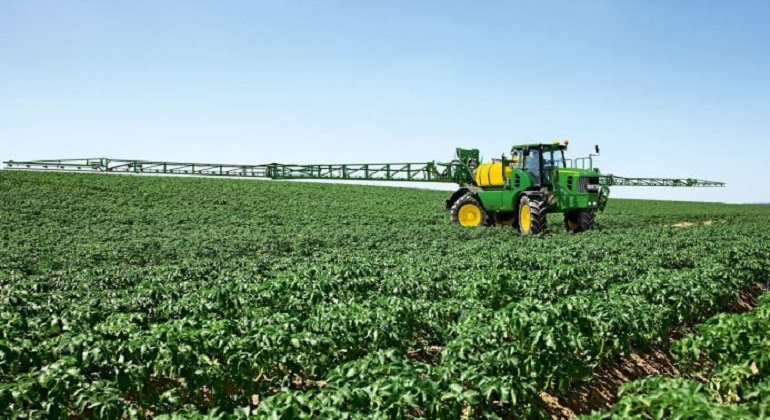
| KADUNA STATE FARMERS’ WEATHER GUIDE
2025 Seasonal Climate Prediction |
|
This information is sourced from the 2025 Seasonal Climate Prediction produced by the Nigeria Meteorological Agency (NiMet)
Analysis by: HEDA Resource Centre
|
🌧 KADUNA STATE FARMERS’ GUIDE 2025
This guide explains exactly what this year’s weather means for your crops, fish ponds and livestock.
RAIN CALENDAR – KNOW YOUR PLANTING WINDOW
For farmers in Birnin-Gwari, Ikara and Kubau areas:
- Your rains will start between June 3-9
- They will end around October 13-18
- You have just 127-143 days of growing time
- Expect about 844-879mm of rain this year
What this means for your crops:
- The short season means you must plant immediately when rains stabilize – any delay risks crop failure
- Focus on traditional grains like millet and sorghum that mature quickly
- Avoid long-duration crops like some maize varieties that need 5-6 months
- The moderate rainfall means you’ll need to conserve every drop – consider digging small water collection pits around your fields
For farmers in Jema’a, Kachia and Kagarko:
- Your rains come earlier (May 11-19) and stay longer (until October 24-28)
- You have 173-184 growing days – nearly 6 months
- Generous rainfall of 1022-1116mm
What this means:
- You have flexibility to plant both early and late-maturing crops
- Can successfully grow maize, yam, and rice alongside traditional grains
- The heavier rains may cause waterlogging – plant on ridges or mounds
- More humidity means more pests – be ready to inspect crops weekly
CROP-SPECIFIC STRATEGIES
For grain farmers:
- In northern areas: Plant millet/sorghum June 5-12, spaced 75cm between rows
- In southern areas: Maize can be planted May 15-25, but choose varieties that mature in 4 months
- Everywhere: Practice intercropping with legumes like cowpea to improve soil
For vegetable growers:
- Southern farmers: Can plant multiple cycles of tomatoes, peppers
- Northern farmers: Focus on quick vegetables like spinach during rainy season
- All areas: Prepare to irrigate during dry spells if possible
LIVESTOCK MANAGEMENT
For cattle owners:
- Northern pastures will dry by mid-October – start planning fodder storage in August
- Consider moving herds southward gradually from September
- Identify water sources now for dry season
For poultry keepers:
- The hot period (March-May) requires:
- Adding more water containers
- Providing shade with palm fronds or mats
- Reducing stocking density by 20%
CRITICAL DANGER PERIODS
July 10-25:
- Likely dry spell across central areas
- For crops planted in June, this will be their most vulnerable stage
Prepare by:
- Mulching immediately after planting
- Having water containers ready for emergency watering
October:
- Northern rains end early (13-18)
- Begin harvesting as soon as crops mature
- Collect and store crop residues for animal feed
MONTH-BY-MONTH ACTION PLAN
May:
- Clear and prepare fields
- Obtain quality seeds from approved sources
- Repair tools and equipment
June:
- Plant immediately when rains stabilize
- Apply organic manure if available
- Mark vulnerable areas needing pest watch
July:
- Complete all planting
- Weed thoroughly
- Prepare dry spell measures
August:
- Continue weeding
- Begin fodder collection
- Start planning dry season gardens
September:
- Early harvesting begins
- Process and store grains properly
- Vaccinate animals
October
- Complete all harvesting
- Prepare storage facilities
- Implement dry season water plans
SECTION 5: WHERE TO GET HELP
NiMet Kaduna Office:
📞 Mr. Stephen Bala
☎️ 08029883300, 08031540444
📧 s.bala@nimet.gov.ng, bala0912tani@yahoo.com
🌍 To download the SCP 2025, visit NiMeT website: https://www.nimet.gov.ng/scp
Remember:
- Share this information with fellow farmers
- Call for help if you notice unusual weather
- Attend local agriculture extension meetings
- Ask Questions: If you don’t understand something, call the NiMet number.
- For farmers in riverine areas, prepare for possible floods
- All farmers – watch for the August break
Social Media
X: @nimetnigeria
LinkedIn, Facebook, Youtube: @Nigerian Meteorological Agency
Instagram: officialnimetng
Summary of Predicted Onset Date, Cessation Date, Length of Season and Annual Rainfall Amounts for States and Local Government Areas for Kaduna state
| LGA |
Start Date |
End Date |
Rainy Days |
Annual Rainfall (mm) |
| Birnin-Gwari |
3-Jun |
18-Oct |
127 |
879 |
| Chikun |
27-May |
20-Oct |
159 |
931 |
| Giwa |
7-Jun |
14-Oct |
143 |
856 |
| Igabi |
31-May |
13-Oct |
152 |
901 |
| Ikara |
9-Jun |
13-Oct |
140 |
844 |
| Jaba |
13-May |
24-Oct |
181 |
1086 |
| Jema’a |
11-May |
28-Oct |
184 |
1116 |
| Kachia |
19-May |
24-Oct |
173 |
1022 |
| Kaduna North |
30-May |
21-Oct |
156 |
912 |
| Kaduna South |
29-May |
21-Oct |
157 |
919 |
| Kagarko |
13-May |
24-Oct |
182 |
1097 |
| Kajuru |
26-May |
20-Oct |
162 |
947 |
| Kaura |
16-May |
26-Oct |
177 |
1055 |
| Kauru |
24-May |
21-Oct |
164 |
964 |
| Kubau |
4-Jun |
16-Oct |
148 |
875 |
| Kudan |
9-Jun |
13-Oct |
140 |
846 |
| Lere |
26-May |
20-Oct |
161 |
945 |
| Makarfi |
10-Jun |
12-Oct |
139 |
841 |
| Sabon-Gari |
7-Jun |
14-Oct |
142 |
856 |
| Sanga |
9-May |
29-Oct |
187 |
1143 |
| Soba |
5-Jun |
15-Oct |
146 |
867 |
| Zango-Kataf |
18-May |
24-Oct |
173 |
1024 |
| Zaria |
6-Jun |
14-Oct |
144 |
860 |