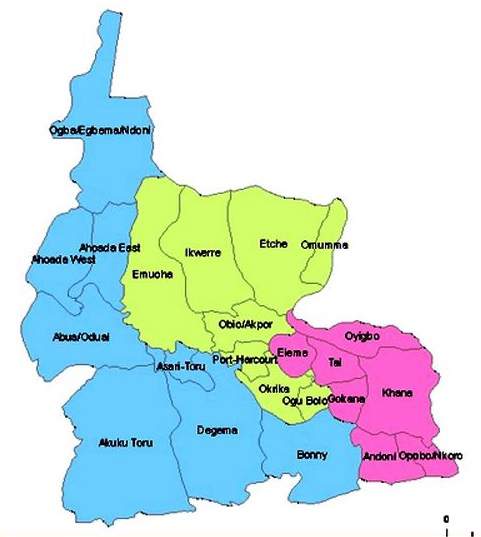
by Akinmayowa Shobo | Aug 26, 2025 | Climate Justice, ejsd-Blog
| RIVERS STATE FARMERS’ WEATHER GUIDE
2025 Seasonal Climate Prediction |
|
This information is sourced from the 2025 Seasonal Climate Prediction produced by the Nigeria Meteorological Agency (NiMet)
Analysis by: HEDA Resource Centre
|
🌧 RIVERS STATE FARMERS’ GUIDE 2025
This guide explains exactly what this year’s weather means for your crops, fish ponds and livestock.
RAIN PATTERNS FOR YOUR FARM
For All Farmers in Rivers State:
The rains will start very early this year, coming as early as the first week of March. The first heavy downpours will wet the soil, but you should wait until around March 15-20 when the rains become steady before planting. The rainy season will continue until mid-December, giving you plenty of time to grow your crops.
In April through June, expect very heavy rains that may flood low-lying areas. There will be a short break in the rains around July 20-30 when the sun comes out strongly for about 10 days. Then the rains return in August and continue heavily through September and October before gradually stopping in December.
What This Means for You:
The long rainy season is good for growing crops, but the heavy rains can also bring problems. You need to prepare your fields to handle too much water, especially if your farm is in a low area that floods easily. The short dry period in late July is when your crops will need extra care to survive without rain.
GROWING YOUR CROPS
Swamp Rice Farming:
Rice grows very well in our wet conditions. After the first heavy rains in March, prepare your rice fields by making small raised areas where the rice will grow. Wait until the field has steady water about as deep as your ankle before planting your rice seeds around late March to early April.
As your rice grows, keep the water at about the same level – not too deep, not too shallow. Remove weeds regularly so they don’t choke the rice.
Cassava in Wet Conditions:
For cassava, the best time to plant is early April. Make big mounds of soil about as high as your knee to plant the cassava stems. This keeps the roots from sitting in water. Space the mounds as wide as your outstretched arms so each plant has room to grow.
Check your cassava plants often, especially during the wettest months. If you see leaves turning yellow or growing in twisted shapes, remove those plants right away as they may be sick. Cassava takes about 8-10 months to be ready, so plan to harvest before the rains completely stop in December.
Vegetables That Grow Well:
Waterleaf, pumpkin and other greens grow easily during the rains. You can plant the seeds directly in your field from March onward. Keep picking the young leaves regularly and they will continue producing.
For tomatoes and peppers, start by growing small plants in a protected nursery area in February. When these seedlings are strong and have several leaves, move them to your main field in March, planting them on small raised beds. Use sticks to support the plants as they grow taller.
FISH FARMING ADVICE
Preparing Your Fish Pond:
The best time to get your pond ready is during the dry season in January and February. Drain out all the old water and let the sun dry the pond bottom for at least two weeks. This kills bad things that can make fish sick.
When the steady rains come in March, fill your pond and put in small young fish (called fingerlings). Feed these fish twice every day – once in the morning and once in the late afternoon. Give only as much food as the fish can finish in about 15 minutes. Too much leftover food will make the water dirty.
If the water starts looking cloudy or the fish come to the surface gasping for air, change about one-third of the water immediately. Plan to harvest your fish before December when the ponds might dry up.
IMPORTANT DANGER PERIODS
April-June Heavy Floods:
These months will bring the heaviest rains that can flood your fields. To prepare:
- Build your crop mounds extra high
- Have baskets or boats ready to move your harvest if needed
- Keep your best seeds stored in a high, dry place
July 20-30 Dry Days:
When the rains stop for about 10 days in late July:
- Save water in any big containers you have
- Spread dry grass or leaves around your crops to keep the soil moist
- Avoid planting new crops during this time
September-October Heavy Rains:
The second heavy rain period can damage mature crops:
- Harvest crops like cassava and rice as soon as they’re ready
- Clear all drainage paths so water can flow away
- Move animals to higher ground if your area floods
SECTION 5: WHERE TO GET HELP
NiMet Rivers Office:
📞 Mr. Elujah Abraham
☎️ 08183221691, 07032307828
📧 e.abraham@nimet.gov.ng
🌍 To download the SCP 2025, visit NiMet website: https://www.nimet.gov.ng/scp
Remember:
For accurate weather updates and early warnings, the Nigerian Meteorological Agency has a dedicated contact for your state. You can reach their office during working hours for the most current forecasts and advice.
If you encounter problems with your crops, the state agriculture department has extension officers stationed across all local government areas.
Keep careful track of important dates and activities by marking them on a calendar or in a notebook. Note when you planted each crop, when you fertilized, and any problems you observed. This record will help you plan better next season.
Work together with other farmers in your area. Form small groups to share labor during busy periods, exchange information about what’s working, and watch for early signs of trouble in each other’s fields.
Most importantly, stay alert to changes in your environment. Notice if insects appear that you haven’t seen before, or if plants show unusual symptoms. The earlier you spot potential problems, the easier they are to manage.
Remember that farming in Ondo State requires both traditional knowledge and willingness to adapt to changing conditions. Use this information, combine it with your own experience, and may the coming year bring you good harvests and healthy animals.
Social Media
X: @nimetnigeria
LinkedIn, Facebook, Youtube: @Nigerian Meteorological Agency
Instagram: officialnimetng
Summary of Predicted Onset Date, Cessation Date, Length of Season and Annual Rainfall Amounts for States and Local Government Areas for Rivers state
| LGA |
Start Date |
End Date |
Rainy Days |
Annual Rainfall (mm) |
| Abua/Odual |
8-Mar |
16-Dec |
284 |
2678 |
| Ahoada East |
10-Mar |
15-Dec |
280 |
2585 |
| Ahoada West |
10-Mar |
15-Dec |
280 |
2597 |
| Akuku Toru |
3-Mar |
19-Dec |
291 |
2841 |
| Andoni |
3-Mar |
19-Dec |
291 |
2840 |
| Asari-Toru |
6-Mar |
17-Dec |
287 |
2735 |
| Bonny |
3-Mar |
19-Dec |
291 |
2845 |
| Degema |
4-Mar |
19-Dec |
290 |
2811 |
| Eleme |
6-Mar |
17-Dec |
287 |
2740 |
| Emohua |
7-Mar |
17-Dec |
284 |
2689 |
| Etche |
10-Mar |
15-Dec |
280 |
2582 |
| Gokana |
5-Mar |
18-Dec |
288 |
2778 |
| Ikwerre |
10-Mar |
15-Dec |
280 |
2584 |
| Khana |
4-Mar |
18-Dec |
289 |
2789 |
| Obia/Akpor |
7-Mar |
17-Dec |
285 |
2704 |
| Ogba/Egbema/Ndoni |
15-Mar |
12-Dec |
272 |
2422 |
| Ogu/Bolo |
5-Mar |
18-Dec |
288 |
2778 |
| Okrika |
5-Mar |
18-Dec |
289 |
2780 |
| Omumma |
11-Mar |
15-Dec |
279 |
2564 |
| Opobo/Nkoro |
3-Mar |
19-Dec |
291 |
2876 |
| Oyigbo |
7-Mar |
17-Dec |
284 |
2681 |
| Port-Harcourt |
6-Mar |
17-Dec |
286 |
2729 |
| Tai |
6-Mar |
17-Dec |
287 |
2736 |
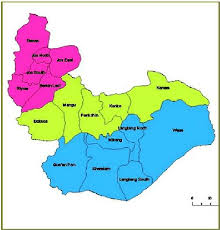
by Akinmayowa Shobo | Aug 26, 2025 | Climate Justice, ejsd-Blog
| PLATEAU STATE FARMERS’ WEATHER GUIDE
2025 Seasonal Climate Prediction |
|
This information is sourced from the 2025 Seasonal Climate Prediction produced by the Nigeria Meteorological Agency (NiMet)
Analysis by: HEDA Resource Centre
|
🌧 PLATEAU STATE FARMERS’ GUIDE 2025
This guide explains exactly what this year’s weather means for your crops, fish ponds and livestock.
WHEN WILL THE RAINS COME?
For Farmers in Southern Areas (Shendam, Langtang):
Your rains will start between May 5-12. First, you’ll see small rains that come and go. Wait until you get steady rains around May 15 before planting. The rains will stop around early November, giving you about 5-6 months of good farming time. You’ll get enough rain for your crops, but August will have very heavy rains that can flood your fields.
For Farmers in Northern Areas (Jos, Barkin Ladi):
Your rains will start a bit later, around May 10-15, and stop earlier around October 25-30. This means you have 5-5½ months of rain. The cold nights here make the soil slow to warm up, so wait a little longer before planting crops that don’t like cold soil.
Important Things to Watch for:
- There will be 10-12 dry days around July 25-August 5
- September brings many crop diseases
- First cold nights come in early November – harvest before then
HOW TO GROW YOUR CROPS WELL
Potatoes
The best time to plant potatoes is May 15-25. Make long mounds of soil about as wide as your outstretched arms. Put the potato seeds about one hand’s length apart in the mounds.
When the plants grow to your ankle height, pile more soil around their stems. This helps the potatoes grow big underground. The dry days in late July come just when your potatoes are forming underground. Spread dry grass around the plants to keep the soil moist during this time.
If you see dark spots on the leaves, this is the dangerous potato sickness. Remove those leaves right away and don’t work in the field when plants are wet to stop it from spreading.
Maize Farming
Plant your maize between May 10-25. Put the seeds a little deeper in the soil than in other states because of the cold nights. Leave enough space between plants – about one hand’s length apart in rows as wide as your outstretched arms.
When the maize starts making flowers (around late July), this is when it needs water most. The dry days will come at this bad time. Prepare by:
- Saving rainwater in any containers you have
- Putting dry grass around the plants
- Removing some weak plants so the strong ones get more water
Vegetables
The cold nights help these special crops grow well:
Cabbage:
Start small plants in a nursery bed in April. Move them to the main field in late May. Space them about two hand lengths apart. Watch for small green worms and spray with neem leaf water weekly.
Carrots:
Plant seeds directly in fine soil in late May. When the green tops are small, remove some plants so the remaining ones have space to grow big carrots underground.
Peas:
Plant along fences or sticks so they can climb. Pick the pods every few days to make the plants produce more.
CARING FOR YOUR ANIMALS
Cattle
The cool weather here is good for milk production. During the rains:
- Move your cows to different grazing areas so they always have fresh grass
- Give them extra crop leftovers like maize stalks
- Make them walk through a shallow water bath weekly to keep their feet healthy
When the dry season comes:
- Feed them the grass you saved during the rains
- Give them more water than usual
- Keep salt stones for them to lick
Poultry
For chickens that lay eggs:
- Keep their house dry and clean
- Give them light for 16 hours every day (you can use small solar lights)
- Collect eggs at least three times daily
For meat chickens:
- Don’t put too many in one house
- Keep them warm at night during cold periods
- Always have clean water available
Goats and Sheep
Build their house with floors raised above the ground to keep them dry. During the rains:
- Cut grass for them instead of letting them graze in wet fields
- Give them medicine for stomach worms every 10 weeks
- Prepare for dry season by planting special grasses around their house that will grow even when other grass dries up.
DANGEROUS TIMES AND HOW TO SURVIVE THEM
July 25-August 5 (Dry Days)
This is when your crops need water most:
- Spread dry grass around all your plants before July 20
- Save water in any containers you have
- Check the food you stored for your animals
September
Walk through your fields every morning looking for:
- White powder on pea plants
- Remove any sick plants or animals immediately to protect the healthy ones.
Early November
Harvest all your potatoes before the first cold night. Cover any remaining vegetables with dry grass. Move your chickens to the warmest part of their house.
SECTION 5: WHERE TO GET HELP
NiMet Plateau Office:
📞 Mr. Kazachiang, T. V.
☎️ 08124088883
📧 t.kazachiang@nimet.gov.ng, tkgorahh@yahoo.com
🌍 To download the SCP 2025, visit NiMet website: https://www.nimet.gov.ng/scp
Remember:
For accurate weather updates and early warnings, the Nigerian Meteorological Agency has a dedicated contact for your state. You can reach their office during working hours for the most current forecasts and advice.
If you encounter problems with your crops, the state agriculture department has extension officers stationed across all local government areas.
Keep careful track of important dates and activities by marking them on a calendar or in a notebook. Note when you planted each crop, when you fertilized, and any problems you observed. This record will help you plan better next season.
Work together with other farmers in your area. Form small groups to share labor during busy periods, exchange information about what’s working, and watch for early signs of trouble in each other’s fields.
Most importantly, stay alert to changes in your environment. Notice if insects appear that you haven’t seen before, or if plants show unusual symptoms. The earlier you spot potential problems, the easier they are to manage.
Remember that farming in Ondo State requires both traditional knowledge and willingness to adapt to changing conditions. Use this information, combine it with your own experience, and may the coming year bring you good harvests and healthy animals.
Social Media
X: @nimetnigeria
LinkedIn, Facebook, Youtube: @Nigerian Meteorological Agency
Instagram: officialnimetng
Summary of Predicted Onset Date, Cessation Date, Length of Season and Annual Rainfall Amounts for States and Local Government Areas for Plateau state
| LGA |
Start Date |
End Date |
Rainy Days |
Annual Rainfall (mm) |
| Barkin Ladi |
20-May |
1-Nov |
165 |
861 |
| Bassa |
27-May |
29-Oct |
155 |
788 |
| Bokkos |
15-May |
4-Nov |
173 |
936 |
| Jos East |
24-May |
30-Oct |
159 |
818 |
| Jos North |
25-May |
30-Oct |
158 |
806 |
| Jos South |
23-May |
31-Oct |
161 |
829 |
| Kanam |
19-May |
2-Nov |
167 |
878 |
| Kanke |
18-May |
3-Nov |
169 |
897 |
| Langtang North |
13-May |
5-Nov |
177 |
969 |
| Langtang South |
6-May |
9-Nov |
186 |
1070 |
| Mangu |
18-May |
3-Nov |
169 |
896 |
| Mikang |
12-May |
5-Nov |
177 |
973 |
| Pankshin |
16-May |
4-Nov |
172 |
926 |
| Qua’an Pan |
10-May |
7-Nov |
181 |
1018 |
| Riyom |
20-May |
1-Nov |
165 |
866 |
| Shendam |
9-May |
7-Nov |
182 |
1021 |
| Wase |
13-May |
5-Nov |
176 |
965 |
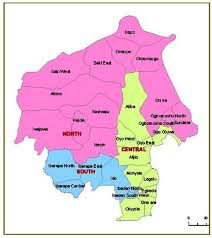
by Akinmayowa Shobo | Aug 26, 2025 | Climate Justice, ejsd-Blog
| OYO STATE FARMERS’ WEATHER GUIDE
2025 Seasonal Climate Prediction |
|
This information is sourced from the 2025 Seasonal Climate Prediction produced by the Nigeria Meteorological Agency (NiMet)
Analysis by: HEDA Resource Centre
|
🌧 OYO STATE FARMERS’ GUIDE 2025
This guide explains exactly what this year’s weather means for your crops, fish ponds and livestock.
RAIN PATTERNS: WHAT TO EXPECT IN YOUR AREA
For Farmers in Southern Oyo (Ibadan, Egbeda, Ido):
Your rains will begin between April 13-17, starting with light showers that gradually become steadier. The first planting rains typically arrive around April 20, when the soil has absorbed enough moisture to support seeds. The season will last until November 20-23, giving you about 210 days of growing time. You will receive 1,400-1,500mm of rainfall, but beware – the heavy downpours in June and September can quickly flood low-lying fields if proper drainage isn’t maintained.
For Farmers in Northern Oyo (Saki, Iseyin, Okeho):
Your rains will start slightly later, between April 17-20, and end earlier around November 15-18. This gives you a shorter 195-205 day growing season with 1,300-1,400mm of rain. The August break around July 28-August 8 will be particularly challenging here, as your crops will be at peak water needs during this dry spell. The sandy soils in this zone dry out faster, so water conservation methods are crucial.
What This Means for All Farmers:
The early rains in April may tempt you to plant immediately, but experienced farmers know to wait for the soil to warm up properly. Test the soil by squeezing a handful – if it holds together without dripping, it’s ready for planting. The heavy September rains often coincide with when maize and cassava are maturing, so plan your harvests carefully to avoid losses.
CROP MANAGEMENT STRATEGIES
Cassava
For cassava farmers across Oyo State, the planting window runs from April 20 to May 10. Prepare your fields by making mounds about 30cm high and 75cm apart – this spacing allows for proper growth and makes weeding easier. When selecting stems for planting, choose those that are thumb-thick and free from disease marks. Cut them into 25cm lengths and plant at a 45-degree angle for better sprouting.
The critical period for your cassava is the first 12 weeks after planting. Weed carefully when the plants are about 15cm tall (ankle height), and again when they reach 45cm (knee height). During the August break, your 3-4 month old cassava will be vulnerable – spread dry grass mulch around the plants to conserve moisture. Watch carefully for cassava mosaic disease, especially in September when whitefly populations peak. If you notice stunted growth or yellow leaf patterns, remove affected plants immediately.
The ideal maize planting period is April 25 to May 5 in southern areas and April 20-30 in northern zones. Prepare your seedbeds by tilling the soil to about hand-depth (15cm) and mixing in well-rotted manure if available. Plant seeds about 2.5cm deep, spacing them 25cm apart in rows 75cm apart. This spacing allows for proper air circulation and makes pest control easier.
About two weeks after emergence, when plants are 15-20cm tall, apply the first round of fertilizer. The August break will hit when your maize is tasseling – its most water-sensitive stage.
Prepare for this by:
- Mulching heavily in early July
- Having water containers ready for emergency irrigation
- Thinning plants to reduce competition for moisture
- For second planting, wait until August 10-15 when the rains return reliably. Avoid planting after August 25 as the crop may not mature properly before season’s end.
Vegetables: High Value, High Care
Tomato and pepper farmers should start nurseries in early March under partial shade. Use raised seedbeds with well-drained soil to prevent damping-off disease. Transplant seedlings when they have 4-6 true leaves, typically in late April. Space plants 50cm apart in rows 75cm apart, and stake them early with 1.5m bamboo poles.
- The humid conditions in June-September make vegetables prone to fungal diseases. Prevent this by:
- Watering at the base of plants, not on leaves
- Spraying weekly with a baking soda solution (1 tablespoon per liter)
Removing infected leaves immediately
Okra requires less care but strict harvesting discipline. From first production in June until season’s end, harvest pods every other day without fail. Leaving mature pods on the plant signals it to stop producing. Select seeds from your best-performing plants – choose straight, unblemished pods about 15cm long.
LIVESTOCK MANAGEMENT THROUGH THE SEASONS
Poultry
The May-October humid period requires special attention to poultry housing. Build coops with good ventilation – the ideal is wire mesh walls with overhanging roofs to keep rain out. Paint roofs white to reflect heat, and consider adding shade nets during peak heat.
For layers, maintain consistent lighting for 16 hours daily. Use simple solar-powered bulbs if electricity is unreliable. Collect eggs at least twice daily – morning and evening – to prevent breakage and keep them clean. During the September disease peak, add crushed garlic to drinking water (2 cloves per 10 liters) to boost immunity.
Broilers need extra care in the humid months. Reduce stocking density by 20% to allow better air circulation. Provide cool, clean water constantly, and consider adding vitamins to their feed during stress periods.
Goat and Sheep
- The rainy season brings abundant forage but also increased parasite loads. Build raised pens with slatted floors at least 50cm off the ground. This keeps animals dry and allows waste to fall through. During peak worm season (June-September), practice cut-and-carry feeding rather than free grazing to reduce parasite intake.
- Deworm all animals every 3 months without fail. The most effective timing is: late March (before rains), late June, late September, early December
- As the dry season approaches in October, start planting drought-resistant fodder like Centrosema around pens. These “living barns” will provide emergency feed when natural grasses dry up.
Fish Farming: Seasonal Adjustments
Prepare ponds thoroughly in February/March by:
- Draining completely
- Liming (1kg per 10m²)
- Sun-drying for at least 2 weeks
Stock fingerlings in late April when water temperatures stabilize. Feed at consistent times – once in mid-morning after dew dries, and again in late afternoon. Adjust amounts based on water clarity – if water becomes murky, reduce feeding by 30%.
The heavy September rains may cause ponds to overflow. Lower water levels slightly in advance, and keep harvest nets ready. Consider partial harvests if water levels rise dangerously.
CRITICAL DANGER PERIODS
July 28-August 8: The August Break
This 10 to 14 day dry spell will test all your farming systems. For crops:
- Complete major weeding by July 20
- Spread 5-10cm of dry grass mulch around plants
- Have water containers ready for emergency irrigation
For livestock:
- Check and repair all feed storage areas
- Ensure clean water access points
- Inspect housing for leaks
September 1-20: Disease Explosion Period
The combination of returning rains and heat creates ideal conditions for diseases. For crops:
- Watch out for disease signs
- Remove and burn infected plants immediately
- Spray preventatively with natural fungicides
For poultry:
- Isolate sick birds immediately
- Add immune boosters to water
For fish:
- Monitor oxygen levels closely
- Be ready to change water if needed
October Heavy Rains
As crops mature, the October rains pose new threats:
- Harvest cassava and maize before October 10
- Store grains in airtight containers with neem leaves
- Clear all drainage channels around fields and pens
- Move animals to higher ground if flooding threatens
SECTION 5: WHERE TO GET HELP
NiMet Oyo Office:
📞 Mr. Udoh Emmanuel
☎️ 08060059599, 08151972160
📧 e.udoh@nimet.gov.ng, nueludoh41@gmail.com
🌍 To download the SCP 2025, visit NiMet website: https://www.nimet.gov.ng/scp
Remember:
For accurate weather updates and early warnings, the Nigerian Meteorological Agency has a dedicated contact for your state. You can reach their office during working hours for the most current forecasts and advice.
If you encounter problems with your crops, the state agriculture department has extension officers stationed across all local government areas.
Keep careful track of important dates and activities by marking them on a calendar or in a notebook. Note when you planted each crop, when you fertilized, and any problems you observed. This record will help you plan better next season.
Work together with other farmers in your area. Form small groups to share labor during busy periods, exchange information about what’s working, and watch for early signs of trouble in each other’s fields.
Most importantly, stay alert to changes in your environment. Notice if insects appear that you haven’t seen before, or if plants show unusual symptoms. The earlier you spot potential problems, the easier they are to manage.
Remember that farming in Ondo State requires both traditional knowledge and willingness to adapt to changing conditions. Use this information, combine it with your own experience, and may the coming year bring you good harvests and healthy animals.
Social Media
X: @nimetnigeria
LinkedIn, Facebook, Youtube: @Nigerian Meteorological Agency
Instagram: officialnimetng
Summary of Predicted Onset Date, Cessation Date, Length of Season and Annual Rainfall Amounts for States and Local Government Areas for Oyo state
| LGA |
Start Date |
End Date |
Rainy Days |
Annual Rainfall (mm) |
| Afijio |
19-Apr |
23-Nov |
219 |
1508 |
| Akinyele |
16-Apr |
25-Nov |
224 |
1578 |
| Atiba |
26-Apr |
20-Nov |
207 |
1365 |
| Atigbo |
28-Apr |
19-Nov |
205 |
1339 |
| Egbeda |
13-Apr |
26-Nov |
227 |
1627 |
| Ibadan North |
14-Apr |
26-Nov |
226 |
1617 |
| Ibadan North East |
13-Apr |
27-Nov |
227 |
1630 |
| Ibadan North West |
14-Apr |
26-Nov |
226 |
1620 |
| Ibadan South East |
13-Apr |
27-Nov |
228 |
1642 |
| Ibadan South West |
13-Apr |
27-Nov |
228 |
1635 |
| Ibarapa Central |
14-Apr |
26-Nov |
226 |
1607 |
| Ibarapa East |
17-Apr |
25-Nov |
222 |
1551 |
| Ibarapa North |
17-Apr |
24-Nov |
221 |
1543 |
| Ido |
15-Apr |
26-Nov |
124 |
1589 |
| Irepo |
7-May |
14-Nov |
190 |
1178 |
| Iseyin |
20-Apr |
23-Nov |
217 |
1484 |
| Itesiwaju |
25-Apr |
20-Nov |
209 |
1383 |
| Iwajowa |
22-Apr |
22-Nov |
214 |
1443 |
| Kajola |
23-Apr |
21-Nov |
211 |
1424 |
| Lagelu |
15-Apr |
26-Nov |
225 |
1595 |
| Ogbomosho North |
25-Apr |
20-Nov |
210 |
1392 |
| Ogbomosho South |
24-Apr |
21-Nov |
211 |
1412 |
| Ogo Oluwa |
22-Apr |
22-Nov |
214 |
1450 |
| Olorunsogo |
4-May |
15-Nov |
195 |
1228 |
| Oluyole |
11-Apr |
28-Nov |
231 |
1690 |
| Ona-Ara |
12-Apr |
27-Nov |
230 |
1666 |
| Orelope |
4-May |
15-Nov |
195 |
1221 |
| Ori Ire |
27-Apr |
19-Nov |
206 |
1345 |
| Oyo East |
21-Apr |
23-Nov |
216 |
1472 |
| Oyo West |
21-Apr |
22-Nov |
215 |
1464 |
| Saki East |
3-May |
16-Nov |
197 |
1248 |
| Saki West |
1-May |
17-Nov |
200 |
1275 |
| Surulere |
24-Apr |
20-Nov |
211 |
1414 |
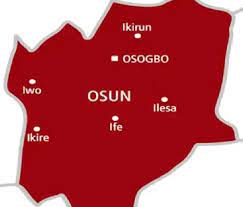
by Akinmayowa Shobo | Aug 26, 2025 | Climate Justice, ejsd-Blog
| OSUN STATE FARMERS’ WEATHER GUIDE
2025 Seasonal Climate Prediction |
|
This information is sourced from the 2025 Seasonal Climate Prediction produced by the Nigeria Meteorological Agency (NiMet)
Analysis by: HEDA Resource Centre
|
🌧 OSUN STATE FARMERS’ GUIDE 2025
This guide explains exactly what this year’s weather means for your crops, fish ponds and livestock.
RAIN PATTERNS: WHAT TO EXPECT IN YOUR AREA
For Farmers Across Osun State:
The rains will begin between April 11-17 in most areas, starting slightly earlier in the southern parts near Ikire and later in northern towns like Ila-Orangun. The rainy season will last until November 23-27, giving you 210-220 days (7-7.5 months) of growing time. You will receive 1,400-1,600mm of rainfall – enough for good harvests if managed wisely.
Key Periods to Watch:
- July 25-August 5: The “August Break” dry spell (10-12 days)
- September 5-25: Peak disease pressure period
- October heavy rains: May cause flooding in low-lying areas
STRATEGIES FOR YOUR CROPS
Cassava Farming Through the Seasons
Begin preparing your fields as soon as the first dry season harmattan winds ease in late February. Clear the land completely and build mounds about the height of your knee (30cm) to improve drainage. Wait until you’ve had at least three consecutive days of steady rain in April before planting your cassava stems. This ensures the soil has enough moisture without being waterlogged.
Space your mounds about the length of your arm apart (75cm) to give each plant room to grow. The first three months after planting are critical – weed carefully when the plants reach your ankle height, and again when they’re up to your knee. Watch for signs of disease, especially during the humid months of June and July. If you notice leaves curling or developing yellow patterns, remove those plants immediately to prevent spread.
Maize Production for Optimal Yield
Plant your maize within two weeks after the rains become steady, ideally between April 20-May 5. This timing helps the crop establish before the heaviest rains in June. Space your rows about the length of your forearm apart (60cm) and plants about a hand’s width (25cm) apart within the row.
When the plants reach your knee height, apply fertilizer carefully around each stalk. The August break will test your maize crop – prepare by collecting dry grass to spread between rows as mulch to conserve moisture. If you’re planting a second crop, wait until after August 10 when the rains return, but not later than August 25 to ensure maturity before season’s end.
Vegetable Farming (Tomato, Pepper, Okra)
Start your tomato and pepper nurseries in early March under partial shade. Transplant the seedlings to prepared beds in late April when they have 4-6 true leaves. Build raised beds about the height of your hand (15cm) to improve drainage and stake plants early with bamboo poles.
Okra can be planted directly in the field from mid-April. The secret to continuous production is harvesting every other day without fail once pods start forming. Save seeds from your best-performing plants – choose pods as long as your hand from vigorous, disease-free plants.
LIVESTOCK MANAGEMENT THROUGH THE SEASONS
Poultry Farming
The high humidity from May-October requires special attention to poultry housing. Ensure your chicken coop has good ventilation but protection from driving rain. Paint the roof white to reflect heat and change bedding material every three days during the wettest months.
For layers, maintain consistent lighting for 16 hours daily to keep egg production steady. Collect eggs at least twice daily to prevent breakage and keep them clean. During the hottest months, add extra water containers and consider natural supplements to help birds cope with heat stress.
Goat and Sheep Rearing Strategies
Build raised pens with slatted floors about knee-high (50cm) off the ground to keep animals dry during rains. The rainy season brings abundant grass but also more parasites – consider cut-and-carry feeding during peak worm season (June-September).
Start planting fast-growing fodder like Centrosema around pens in August to prepare for dry season feed shortages. Deworm all animals every three months without fail, and do it at the same time for your entire stock to prevent reinfection.
Fish Farming
Prepare ponds thoroughly in February/March by draining completely and liming. Stock fingerlings in late April when water levels stabilize. Feed at the same times daily (morning and late afternoon) but adjust amounts based on water temperature and clarity.
Be prepared for possible pond overflow during September/October heavy rains. Keep harvest nets ready and consider partial harvests if water levels rise dangerously.
CRITICAL DANGER PERIODS
July 25-August 5 (August Break)
- This 10-12 day dry period will test young crops. Prepare by:
- Mulching heavily with dry grass before July 20
- Having emergency water for vulnerable seedlings
- Completing major weeding before the dry spell
September 5-25 (Disease Peak)
High humidity makes this the worst period for crop diseases:
- Cassava: Daily checks for mosaic disease
- Vegetables: Weekly baking soda sprays (1 spoon/liter water)
- Poultry: Intensify coop cleanliness
October Heavy Rains
The rains may damage mature crops:
- Complete main harvests by October 10
- Reinforce grain storage against moisture
- Clear drainage channels around animal pens
SECTION 5: WHERE TO GET HELP
NiMet Osun Office:
📞 Mr. Raheem Kayode
☎️ 09083568698, 08090814762
📧 a.raheem@nimet.gov.ng
🌍 To download the SCP 2025, visit NiMet website: https://www.nimet.gov.ng/scp
Remember:
For accurate weather updates and early warnings, the Nigerian Meteorological Agency has a dedicated contact for your state. You can reach their office during working hours for the most current forecasts and advice.
If you encounter problems with your crops, the state agriculture department has extension officers stationed across all local government areas.
Keep careful track of important dates and activities by marking them on a calendar or in a notebook. Note when you planted each crop, when you fertilized, and any problems you observed. This record will help you plan better next season.
Work together with other farmers in your area. Form small groups to share labor during busy periods, exchange information about what’s working, and watch for early signs of trouble in each other’s fields.
Most importantly, stay alert to changes in your environment. Notice if insects appear that you haven’t seen before, or if plants show unusual symptoms. The earlier you spot potential problems, the easier they are to manage.
Remember that farming in Ondo State requires both traditional knowledge and willingness to adapt to changing conditions. Use this information, combine it with your own experience, and may the coming year bring you good harvests and healthy animals.
Social Media
X: @nimetnigeria
LinkedIn, Facebook, Youtube: @Nigerian Meteorological Agency
Instagram: officialnimetng
Summary of Predicted Onset Date, Cessation Date, Length of Season and Annual Rainfall Amounts for States and Local Government Areas for Osun state
| LGA |
Start Date |
End Date |
Rainy Days |
Annual Rainfall (mm) |
| Atakumosa East |
13-Apr |
27-Nov |
228 |
1642 |
| Atakumosa West |
16-Apr |
25-Nov |
228 |
1577 |
| Aiyedaade |
13-Apr |
27-Nov |
224 |
1577 |
| Aiyedire |
13-Apr |
25-Nov |
224 |
1512 |
| Boluwaduro |
21-Apr |
22-Nov |
216 |
1481 |
| Boripe |
20-Apr |
23-Nov |
218 |
1481 |
| Ede North |
18-Apr |
24-Nov |
219 |
1527 |
| Ede South |
17-Apr |
24-Nov |
221 |
1503 |
| Egbedore |
19-Apr |
23-Nov |
218 |
1503 |
| Ejigbo |
13-Apr |
23-Nov |
230 |
1641 |
| Ife East |
13-Apr |
27-Nov |
230 |
1611 |
| Ife North |
11-Apr |
28-Nov |
234 |
1630 |
| Ife South |
11-Apr |
28-Nov |
234 |
1630 |
| Ife Central |
22-Apr |
26-Nov |
218 |
1624 |
| Ifedayo |
21-Apr |
22-Nov |
216 |
1512 |
| Ifelodun |
21-Apr |
22-Nov |
216 |
1458 |
| Ila |
21-Apr |
22-Nov |
216 |
1458 |
| Ilesha East |
16-Apr |
25-Nov |
224 |
1512 |
| Ilesha West |
16-Apr |
24-Nov |
224 |
1512 |
| Irepodun |
20-Apr |
23-Nov |
216 |
1478 |
| Irewole |
19-Apr |
26-Nov |
218 |
1642 |
| Isokan |
12-Apr |
27-Nov |
229 |
1627 |
| Iwo |
13-Apr |
24-Nov |
230 |
1611 |
| Obokun |
19-Apr |
23-Nov |
218 |
1503 |
| Odo-Otin |
19-Apr |
22-Nov |
218 |
1412 |
| Ola – Oluwa |
22-Apr |
24-Nov |
214 |
1642 |
| Olorunda |
20-Apr |
23-Nov |
217 |
1583 |
| Oriade |
16-Apr |
25-Nov |
224 |
1580 |
| Orolu |
21-Apr |
22-Nov |
216 |
1470 |
| Osogbo |
19-Apr |
24-Nov |
219 |
1509 |
by Akinmayowa Shobo | Aug 26, 2025 | Climate Justice, ejsd-Blog
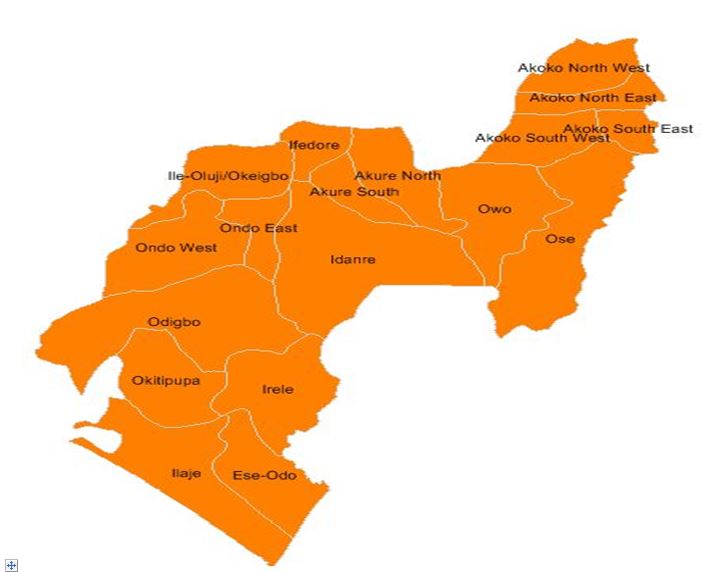
| ONDO STATE FARMERS’ WEATHER GUIDE
2025 Seasonal Climate Prediction |
|
This information is sourced from the 2025 Seasonal Climate Prediction produced by the Nigeria Meteorological Agency (NiMet)
Analysis by: HEDA Resource Centre
|
🌧 ONDO STATE FARMERS’ GUIDE 2025
This guide explains exactly what this year’s weather means for your crops, fish ponds and livestock.
RAIN PATTERNS: WHAT TO EXPECT IN YOUR AREA
For Farmers in Coastal and Southern Zones (Ilaje, Ese-Odo, Okitipupa):
Your rains will arrive as early as March 26-31 – the first showers will come from the ocean. The real planting rains will start steadily around April 1-5. Prepare your fishing nets and farm tools now. Your rainy season will last until December 3-7, giving you 245-252 days (over 8 months) of growing time. You’ll receive 1,900-2,100mm of rain – more than enough, but flooding will be your biggest challenge this year.
What this means for your farming:
- Cassava and yam farmers: Plant early-maturing varieties first (March-April)
- Rice farmers in riverine areas: Build raised seedbeds at least 1 meter above water level
- Vegetable growers: Start nurseries in early March, but protect them from heavy first rains
- Fishermen: The best fishing period will be April-June before the floods get too strong
For Farmers in Central and Northern Zones (Akure, Ondo, Owo):
Your rains will begin April 8-14 – about two weeks after the coastal areas. The season will last until November 24-28, giving you 225-235 days (7-8 months) with 1,600-1,800mm of rain.
Critical periods to watch:
- July 22-30 (August Break): 10-15 dry days when young crops need protection
- September 5-20: Peak disease season for cassava and vegetables
- October heavy rains: May damage mature crops if not harvested on time
STRATEGIES FOR YOUR CROPS
Cassava Farming Through the Seasons
For farmers in coastal areas, the early rains mean you can start planting as soon as the soil is workable in early April. Prepare your fields by making raised mounds that will keep your cassava from sitting in waterlogged soil. Space these mounds about the length of your arm apart to give each plant enough room to grow. The first three months after planting are critical – you’ll need to weed carefully when the plants are about knee-high, and again when they reach waist level. Watch carefully for signs of disease, especially when the rains are heaviest in June and July. If you notice leaves turning yellow with strange patterns, remove those plants immediately to prevent the disease from spreading.
Inland farmers should wait until mid-April when the soil has warmed up sufficiently. Your cassava will face different challenges, particularly during the August break when young plants may suffer from lack of water. Prepare for this by collecting dry grass and leaves to spread around your plants as mulch. This protective layer will help keep the soil moist during the dry spell.
Making the Most of Your Cocoa Farms
The cocoa trees will need special attention this year. Start by pruning them before the rains begin, removing any dead branches and opening up the center of the tree to allow air to circulate. This helps prevent fungal diseases that thrive in humid conditions. When the pods start forming, check them regularly for signs of black pod disease, especially after heavy rains. Remove any infected pods immediately and dispose of them far from your farm.
Harvesting should begin in June when the first pods ripen. Break them open carefully to avoid damaging the tree, and dry the beans properly on raised racks. The drying process is crucial – beans that aren’t completely dry will develop mold during storage. Turn them regularly and protect them from sudden rains during this period.
Maize Production for Optimal Yield
Coastal farmers can plant their first maize crop in early April, taking advantage of the long growing season. Space your plants properly to allow air circulation and make weeding easier. About two weeks after planting, when the young plants are established, you can apply fertilizer to give them a strong start.
For farmers in central and northern areas, the planting window is mid-April to early May. Your maize will be at a critical growth stage when the August dry spell hits, so prepare by mulching around the plants and, if possible, having water ready for emergency irrigation. Watch carefully for pests that attack young plants, checking under the leaves regularly for signs of infestation.
LIVESTOCK MANAGEMENT THROUGH THE SEASONS
Poultry Farming in Humid Conditions
The high humidity in Ondo State creates perfect conditions for poultry diseases. Start by making sure your chicken houses are well-ventilated but protected from driving rain. Paint the roofs white to reflect heat and keep the interior cooler. During the wettest months, change the bedding material frequently to prevent damp conditions that encourage disease.
If you are raising meat birds, reduce the number in each pen slightly to give them more space during hot, humid weather. For egg-layers, maintain a consistent light schedule to keep production steady. Collect eggs at least twice daily to keep them clean and prevent breakage. Adding certain natural supplements to their water can help boost their immunity during stressful periods.
Goat and Sheep Rearing Strategies
The rainy season brings both opportunities and challenges for small ruminant owners. While there’s plenty of fresh grass, it also carries parasites that can weaken your animals. Build raised floors for your pens to keep your animals dry, using slats that allow waste to fall through. During the wettest months, it’s better to cut grass and bring it to your animals rather than letting them graze freely in wet pastures.
As the dry season approaches, start planting fast-growing fodder crops around your pens. These will provide valuable feed when natural grasses become scarce. Remember to deworm your animals regularly, and do it at the same time for all your stock to prevent reinfection.
Fish Farming
Prepare your ponds thoroughly before the rains begin. Drain them completely and let the sun bake the bottom to kill any disease organisms. When the steady rains come in April, you can stock your ponds with young fish. Feed them consistently at the same times each day, but be prepared to adjust the amount based on water conditions.
The heavy rains later in the season may cause ponds to overflow, so plan your harvest schedule accordingly. Keep nets and other equipment ready in case you need to harvest quickly to prevent losses.
CRITICAL DANGER PERIODS AND HOW TO SURVIVE THEM
The July-August Break
Around July 22-30, the rains will pause for about 10-15 days. This comes just when many crops are at their thirstiest stage of growth. Before this period begins, gather all the dry grass and leaves you can find to spread around your plants as mulch. This protective layer will help conserve what moisture is in the soil.
For cassava farmers, this is the time to complete your final weeding. Vegetable growers should have water containers ready to give their plants a drink if needed. Livestock owners should check their stored feed supplies and make any necessary repairs to shelters before this stressful period.
September’s Disease Challenges
The combination of returning rains and heat creates perfect conditions for diseases to spread. Cassava farmers need to walk their fields daily, looking for any signs of mosaic disease. At the first sign of trouble, remove and destroy affected plants immediately.
Poultry farmers must be extra vigilant about cleanliness during this period. Disinfect feeders and waterers daily, and consider adding natural immune boosters to the birds’ water. Fish farmers should reduce feeding slightly to prevent water quality problems when the humidity is highest.
October’s Heavy Rains
By early October, the rains intensify and can damage mature crops. Cassava farmers should aim to complete their main harvest before October 10, while grain farmers need to check their storage facilities for leaks. Any produce stored in damp conditions will spoil quickly.
Livestock owners should clear all drainage channels around their pens and reinforce shelters before these heavy rains arrive. Fish farmers may need to lower water levels slightly in anticipation of the extra rainfall. This is also the time to save your best seeds for next year’s planting, storing them in airtight containers with ash to keep them dry.
SECTION 5: WHERE TO GET HELP
NiMet Ondo Office:
📞 Mr. Adejuwon Emmanuel O.
☎️ 08125883607, 08034782527
📧 o.adejuwon@nimet.gov.ng
🌍 To download the SCP 2025, visit NiMet website: https://www.nimet.gov.ng/scp
Remember:
For accurate weather updates and early warnings, the Nigerian Meteorological Agency has a dedicated contact for your state. You can reach their office during working hours for the most current forecasts and advice.
If you encounter problems with your crops, the state agriculture department has extension officers stationed across all local government areas.
Keep careful track of important dates and activities by marking them on a calendar or in a notebook. Note when you planted each crop, when you fertilized, and any problems you observed. This record will help you plan better next season.
Work together with other farmers in your area. Form small groups to share labor during busy periods, exchange information about what’s working, and watch for early signs of trouble in each other’s fields.
Most importantly, stay alert to changes in your environment. Notice if insects appear that you haven’t seen before, or if plants show unusual symptoms. The earlier you spot potential problems, the easier they are to manage.
Remember that farming in Ondo State requires both traditional knowledge and willingness to adapt to changing conditions. Use this information, combine it with your own experience, and may the coming year bring you good harvests and healthy animals.
Social Media
X: @nimetnigeria
LinkedIn, Facebook, Youtube: @Nigerian Meteorological Agency
Instagram: officialnimetng
Summary of Predicted Onset Date, Cessation Date, Length of Season and Annual Rainfall Amounts for States and Local Government Areas for Ondo state
| LGA |
Start Date |
End Date |
Rainy Days |
Annual Rainfall (mm) |
| Akoko North – East |
16-Apr |
25-Nov |
223 |
1571 |
| Akoko North – West |
14-Apr |
26-Nov |
225 |
1605 |
| Akoko South – East |
14-Apr |
26-Nov |
227 |
1621 |
| Akoko South – West |
18-Apr |
24-Nov |
220 |
1534 |
| Akure North |
11-Apr |
28-Nov |
230 |
1678 |
| Akure South |
11-Apr |
28-Nov |
231 |
1687 |
| Ese – Odo |
28-Mar |
5-Dec |
252 |
2035 |
| Idanre |
8-Apr |
30-Nov |
236 |
1768 |
| Ifedore |
13-Apr |
27-Nov |
228 |
1639 |
| Ilaje |
26-Mar |
7-Nov |
229 |
2113 |
| Ile-Oluji-Okeigbo |
12-Apr |
27-Nov |
256 |
1662 |
| Irele |
1-Apr |
3-Dec |
229 |
1931 |
| Odigbo |
4-Apr |
2-Dec |
246 |
1862 |
| Okitipupa |
1-Apr |
3-Nov |
242 |
1921 |
| Ondo East |
9-Apr |
29-Nov |
245 |
1736 |
| Ondo West |
8-Apr |
29-Nov |
234 |
1756 |
| Ose |
9-Apr |
29-Nov |
235 |
1735 |
| Owo |
10-Apr |
28-Nov |
234 |
1714 |