
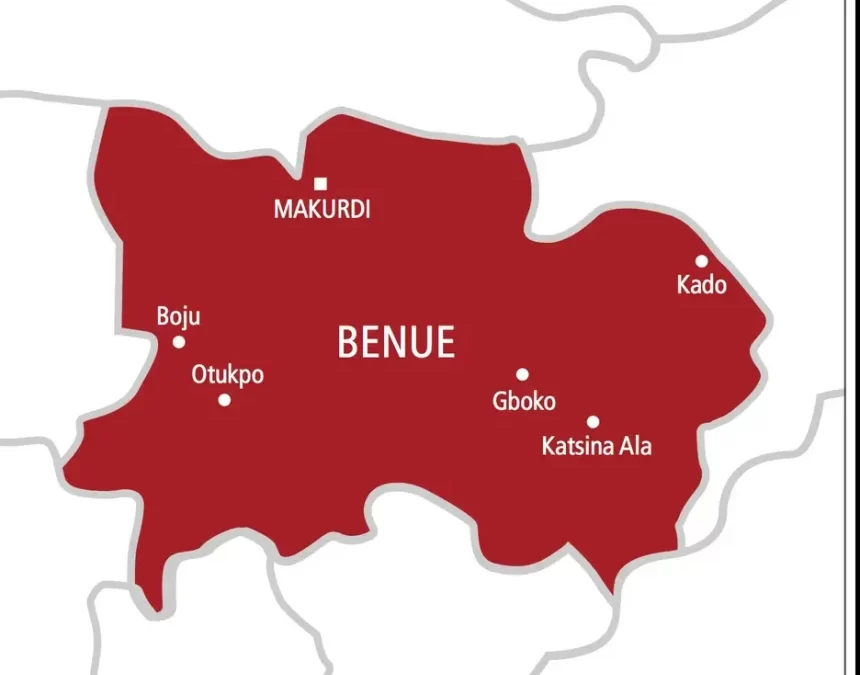
BENUE FARMER WEATHER GUIDE 2025
| BENUE STATE FARMER WEATHER GUIDE
2025 Seasonal Climate Prediction |
|
This information is sourced from the 2025 Seasonal Climate Prediction produced by the Nigeria Meteorological Agency (NiMet)Analysis by: HEDA Resource Centre |
|
🌧 BENUE FARMER WEATHER GUIDE 2025
This guide explains this year’s weather patterns and how they will affect your farming activities
SECTION 1: RAIN CALENDAR FOR BENUE STATE
For Yam Growing Areas (Kwande, Vandeikya, Ushongo):
First Rains: Between April 25 and May 7
Last Rains: Between November 10 and 24
Total Growing Days: 190 to 200 days
Rainfall Amount: 1,800 to 1,850mm
What this means for you:
You have the longest growing period in Benue – enough time to plant early yams and still grow a second crop like maize or beans afterwards. The heavy rainfall will provide plenty of water for your crops, but you need to manage it well to prevent erosion.
For Middle Belt Areas (Gboko, Tarka, Buruku):
First Rains: Between May 3 and 8
Last Rains: Between November 23 and 27
Total Growing Days: 177 to 178 days
Rainfall Amount: 1,480 to 1,630mm
What this means for you:
Good conditions for both yam and cassava production. The rains are generally reliable but you must prepare for the dry period in July.
For Riverine Areas (Makurdi, Guma, Agatu):
First Rains: Between May 19 and 21
Last Rains: Around November 30
Total Growing Days: 161 to 167 days
Rainfall Amount: 1,210 to 1,550mm
What this means for you:
Shorter growing season – focus on fast-maturing crop varieties. Be prepared for possible flooding near rivers.
SECTION 2: IMPORTANT WEATHER WARNINGS
- The July Dry Period (July 15-25)
- For about 10 days in the middle of July, the rains will stop completely. This is most dangerous for:
- Maize crops when they are forming cobs
- Rice plants during their flowering stage
- Vegetable crops in their early growth phases
How to protect your crops during this dry spell:
- Before July, cover the soil around your plants with a thick layer (about 5cm) of dry grass or leaves. This covering (called mulch) helps keep the soil moist.
- If you have stored any rainwater in containers or pits, use it carefully during this period – pour it only at the base of your most valuable plants.
- Avoid planting any new seeds during these 10 dry days – wait until the rains return.
The September Heat Period
When temperatures rise to about 35°C with high humidity:
- Chickens will eat less feed and lay fewer eggs
- Pigs may become stressed and eat less
- Goats may become less active and seek shade
How to help your animals during the heat:
- Make poultry houses cooler by painting the roofs white (mix local clay with water to make whitewash)
- Provide clean, fresh water for all animals at least three times daily
- Create shaded areas where animals can rest during the hottest hours (10am to 3pm)
SECTION 3: FARMING ADVICE
For Yam Farmers:
- Preparing Your Land (March-April):
- Clear your farmland early, removing all weeds and bushes
- Create mounds about 1 meter apart to give your yams space to grow
- Mix well-rotted animal manure or compost into the soil before planting
Planting Your Yam (May):
- Select healthy yam setts (planting pieces) about 30cm long
- Plant each sett at a 45-degree angle in the mound
- Cover properly with soil, leaving just the tip showing
Caring for Your Yam During the Season:
- Remove weeds regularly to prevent competition
- Provide strong stakes for the vines to climb
- Watch carefully for signs of termites or other pests
For Rice Farmers:
Choosing the Right Rice Type:
- In flood-prone areas near rivers, select rice varieties that can tolerate standing water
- In upland areas, choose varieties that grow well in well-drained soils
Best Planting Times:
- Prepare your nursery beds between May 20-30
- Transplant the young rice plants to the main field between June 20-30
Managing Water in Your Rice Field:
- Maintain about 5cm of water in the field during growth
- Drain the field completely about 2 weeks before harvest time
For Cassava Farmers:
- Plant your cassava cuttings between May and June
- Space the plants about 1 meter apart to give them room to grow
- Weed your cassava farm at least twice during the growing season
SECTION 4: LIVESTOCK CARE GUIDE
For Poultry Farmers:
- Reduce the number of birds in each cage during hot weather to prevent overcrowding
- Clean all water containers daily to prevent disease
- Follow the recommended vaccination schedule for your chickens
For Goat and Sheep Farmers:
- Give your animals deworming medicine in May and again in September
- Provide mineral blocks for your animals to lick
- Cut and store grass in August to use as feed during drier periods
For Pig Farmers:
- Create muddy wallows where pigs can cool themselves
- Feed your pigs during the cooler hours of early morning and late evening
- Watch for signs of heat stress like heavy panting
SECTION 5: MONTHLY FARMING CALENDAR
February-March:
☑️ Clear and prepare your farmlands
☑️ Purchase good quality seeds from trusted sources
April-May:
🌱 Plant your early yams and maize crops
💧 Dig small pits near your crops to collect rainwater
June-July:
⚠️ Be prepared for the July dry period
🌾 Remove weeds thoroughly from your rice fields
August-September:
🐐 Cut and store grass for animal feed
🌽 Harvest your early maize crops
October-November:
📦 Harvest and store your yams properly
🍚 Process and bag your rice harvest
SECTION 5: WHERE TO GET HELP
📞NiMet Benue Officer: Mr. Abedoh Tijani
☎️ 08066676435
📩 Email: a.ahamaddtijani@nimet.gov.ng, abedohahmad@gmail.com
🌍 To download the SCP 2025, visit NiMeT website: https://www.nimet.gov.ng/scp
Remember:
- Share this information with fellow farmers
- Call for help if you notice unusual weather
- Attend local agriculture extension meetings
- Ask Questions: If you don’t understand something, call the NiMet number.
Social Media
X: @nimetnigeria
LinkedIn, Facebook, Youtube: @Nigerian Meteorological Agency
Instagram: officialnimetng
Summary of Predicted Onset Date, Cessation Date, Length of Season and Annual Rainfall Amounts for States and Local Government Areas for Benue state
| LGA | Start Date | End Date | Rainy Days | Annual Rainfall (mm) |
| Ado | 25-Apr | 10-Dec | 190 | 1824 |
| Agatu | 10-May | 23-Nov | 167 | 1482 |
| Apa | 7-May | 23-Nov | 172 | 1646 |
| Buruku | 3-May | 27-Nov | 177 | 1482 |
| Gboko | 3-May | 27-Nov | 178 | 1629 |
| Guma | 3-May | 27-Nov | 167 | 1546 |
| Gwer East | 3-May | 26-Nov | 177 | 1629 |
| Gwer West | 3-May | 27-Nov | 171 | 1546 |
| Katsina-Ala | 3-May | 27-Nov | 178 | 1639 |
| Konshisha | 28-Apr | 29-Nov | 185 | 1752 |
| Kwande | 25-Apr | 10-Dec | 190 | 1822 |
| Logo | 8-May | 24-Nov | 169 | 1521 |
| Makurdi | 21-May | 30-Nov | 161 | 1210 |
| Obi | 28-Apr | 30-Nov | 186 | 1764 |
| Ogbadibo | 28-Apr | 30-Nov | 186 | 1760 |
| Ohimini | 1-May | 28-Nov | 181 | 1684 |
| Oju | 26-Apr | 1-Dec | 189 | 1806 |
| Okpokwu | 28-Apr | 29-Nov | 186 | 1760 |
| Oturkpo | 2-May | 27-Nov | 180 | 1669 |
| Tarka | 7-May | 23-Nov | 172 | 1559 |
| Ukum | 7-May | 23-Nov | 172 | 1551 |
| Ushongo | 28-Apr | 29-Nov | 185 | 1748 |
| Vandeikya | 26-Apr | 1-Dec | 189 | 1817 |