by ejsdprogram | Jul 13, 2026 | Annual Flood Outlook
Flooding continues to pose a significant threat to lives, livelihoods, infrastructure, and agricultural productivity across Nigeria. Based on projections from the Nigeria Hydrological Services Agency (NIHSA), the 2026 Flood Guide for Zamfara State provides residents, communities, and stakeholders with timely information on flood risks, preparedness strategies, and practical actions to reduce the impact of flooding. By encouraging early planning, community resilience, and coordinated response efforts, this guide aims to support safer communities and minimize the human and economic costs of flooding.
Download the 2026 Flood Guide for Zamfara State
by ejsdprogram | Jul 8, 2026 | Annual Flood Outlook
Flooding continues to pose a significant threat to lives, livelihoods, infrastructure, and agricultural productivity across Nigeria. Based on projections from the Nigeria Hydrological Services Agency (NIHSA), the 2026 Flood Guide for Adamawa State provides residents, communities, and stakeholders with timely information on flood risks, preparedness strategies, and practical actions to reduce the impact of flooding. By encouraging early planning, community resilience, and coordinated response efforts, this guide aims to support safer communities and minimize the human and economic costs of flooding.
Download the 2026 Flood Guide for Adamawa State
by ejsdprogram | Jul 8, 2026 | Annual Flood Outlook
Flooding continues to pose a significant threat to lives, livelihoods, infrastructure, and agricultural productivity across Nigeria. Based on projections from the Nigeria Hydrological Services Agency (NIHSA), the 2026 Flood Guide for Abia State provides residents, communities, and stakeholders with timely information on flood risks, preparedness strategies, and practical actions to reduce the impact of flooding. By encouraging early planning, community resilience, and coordinated response efforts, this guide aims to support safer communities and minimize the human and economic costs of flooding.
Download The 2026 Abia State Flood Guide
by ejsdprogram | Dec 23, 2025 | Climate Justice, Sustainable Environmental Practices
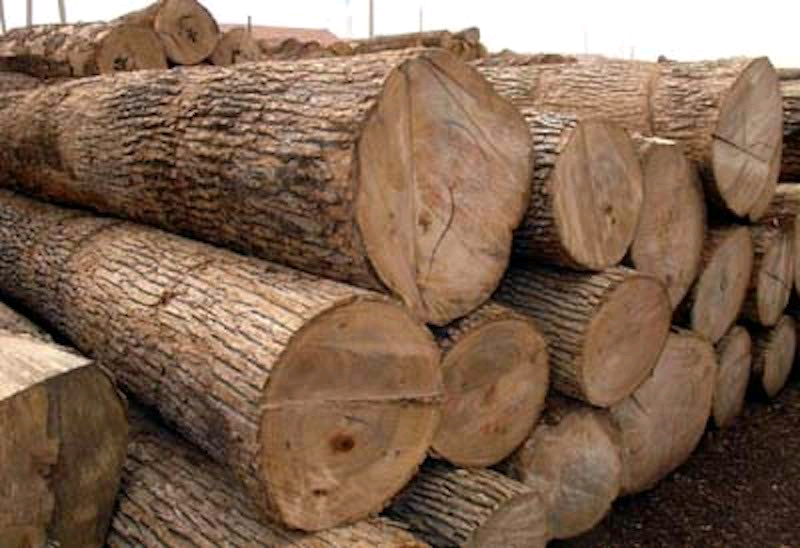
The Human and Environmental Development Agenda (HEDA Resource Centre) has commended the Federal Government for imposing an immediate nationwide ban on the export of wood and allied products and for revoking all previously issued licences and permits.
Reacting to the announcement, HEDA’s Executive Secretary, Sulaimon Arigbabu, described the decision as a long-overdue return to wisdom and responsibility in environmental governance. According to him, the directive signals a renewed commitment by the Federal Government to protecting Nigeria’s rapidly shrinking forest resources and addressing the growing threats of climate change.
Arigbabu noted that Nigeria has for too long lived in painful contradictions. “We cry about droughts, floods, extreme heat and desertification, yet we have turned the trees that God blessed us as our first line of defence against extreme weather events into a thriving export business. This hypocrisy has come at a huge environmental and social cost,” he said.
While applauding the policy, HEDA warned that the challenge runs far deeper than a single executive pronouncement. The organisation stressed that illegal logging and deforestation will not disappear without strong political will, firm enforcement of the law, and accountability across federal and state institutions. “Without strict enforcement, this ban risks becoming another well-written policy that fails at the implementation stage,” Arigbabu cautioned.
HEDA further urged the Federal Government not to limit its focus to local firewood and charcoal syndicates alone. According to Arigbabu, “There is a more dangerous dimension to this crisis — foreign criminal networks, particularly some Chinese nationals masquerading as investors, who are raping Nigeria’s forests and carting away highly valuable species such as Rosewood, which is already listed as endangered under the Convention on International Trade in Endangered Species (CITES).”
He described the situation as especially disturbing because “these activities are often carried out under the protection of armed policemen, making the crime more sinister, organised and menacing.”
The civil society organisation also reminded government that the ban must not ignore the domestic drivers of deforestation. HEDA noted that local dependence on firewood and charcoal is largely driven by energy poverty and widespread lack of economic opportunities, especially in rural and peri-urban communities. “Criminalising survival without addressing its root causes will only worsen hardship and fuel resistance,” Arigbabu said.
Consequently, HEDA called on the Federal Government to urgently prioritise affordable, accessible and sustainable energy alternatives, particularly for poor and vulnerable households. In addition, the organisation urged that communities currently dependent on charcoal and firewood trade should be trained, sensitised and supported to transition to alternative, sustainable livelihoods.
“Protecting our forests is not just about bans and arrests; it is about justice, equity and sustainable development. If Nigeria gets this right, this policy could mark a turning point in our fight against environmental degradation and climate change,” Arigbabu concluded.