About UsEJSD is an arm of HEDA
We are a Non-Governmental Organization
Our approach to environmental and social challenges is holistic, incorporating research, policy advocacy, community mobilization, and practical interventions. As a result, we have become a trusted source for data-driven insights on climate adaptation, food security, and sustainable development in Nigeria.

OUR WORK
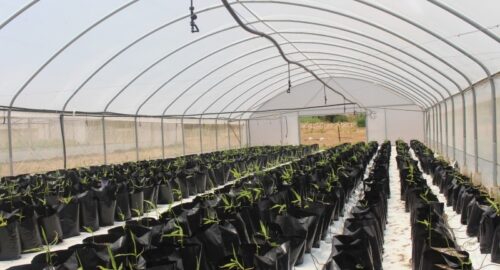
Our work surround capacity building, influencing public policies and social movements, building partnership and research.
Our work does not end with program implementation; HEDA continuously engages policymakers, stakeholders, and the general public to raise awareness of critical issues and to influence policy changes that address the root causes of environmental degradation and inequality. By championing initiatives that prioritize both social justice and environmental sustainability, HEDA remains at the forefront of Nigeria’s climate resilience efforts, driving meaningful change across multiple sectors.
Our Projects
Our work is rooted in the empowerment of Nigeria’s most vulnerable communities, with our target beneficiaries primarily including smallholder farmers, women, youth, persons with disabilities, and communities that face significant environmental and economic challenges. These groups are disproportionately affected by climate change, food insecurity, and environmental degradation. By focusing on these beneficiaries, HEDA not only addresses immediate issues of resilience and sustainability but also contributes to Nigeria’s progress towards the Sustainable Development Goals (SDGs), particularly those relating to zero hunger (SDG 2), reduced inequalities (SDG 10), and climate action (SDG 13).
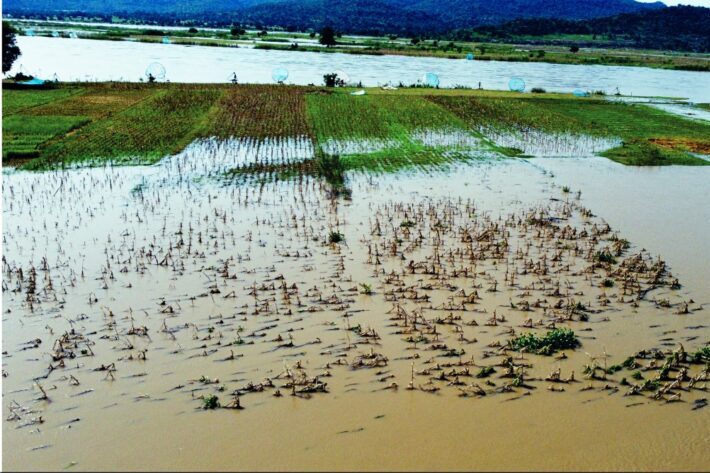
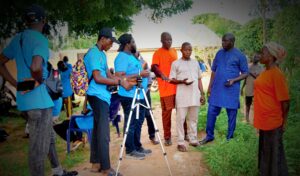 Smallholder farmers are central to Nigeria’s agricultural landscape, yet they are among those most vulnerable to climate change. With limited resources and limited access to adaptive tools and climate information, these farmers face increased risks from extreme weather events, such as droughts and floods, which can devastate crops and livelihoods. HEDA’s interventions are designed to bridge this gap by providing smallholder farmers with practical, climate-smart solutions such as seasonal climate predictions, flood preparedness strategies, and sustainable farming techniques. By equipping farmers with these resources, HEDA empowers them to make informed decisions, build resilience, and maintain food production, thereby supporting SDG 2 (Zero Hunger). This work strengthens the agricultural sector as a whole, ensuring that communities can rely on stable food sources and that local economies remain robust.
Women and youth are also at the forefront of HEDA’s target groups due to their pivotal role in agriculture and their often-limited access to economic and social opportunities. Women, who form a significant portion of the rural workforce, face unique challenges in accessing resources, decision-making platforms, and support systems within their communities. HEDA works to remove these barriers by promoting inclusive programs that provide training, resources, and leadership opportunities for women, thereby enabling them to contribute actively to sustainable development. Youth, who represent a growing demographic in Nigeria, are equally critical in driving innovative agricultural and environmental practices. By engaging youth in climate resilience and sustainable agriculture programs, HEDA invests in the next generation of environmental stewards, creating pathways for young people to lead in areas such as clean energy, sustainable farming, and community advocacy. This focus on inclusion directly supports SDG 10 (Reduced Inequalities), ensuring that vulnerable groups have the tools and opportunities needed to contribute to and benefit from sustainable development.
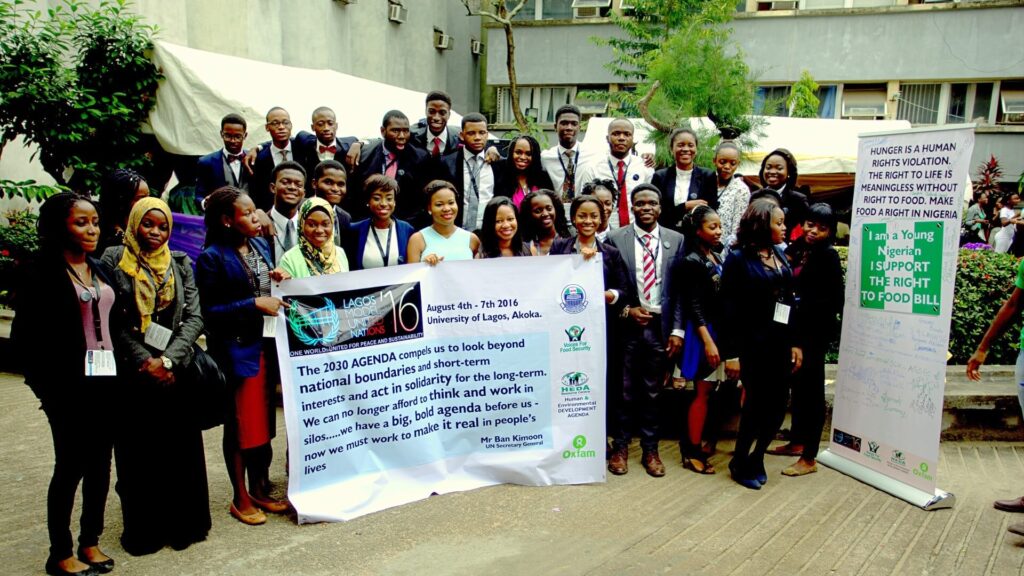 Persons with disabilities represent another key group within HEDA’s beneficiary framework, as they face heightened vulnerability in times of environmental and social crisis. Our programs are designed with accessibility in mind, ensuring that training, resources, and support systems are inclusive and adapted to the needs of people with disabilities. Through partnerships with local disability organizations and representatives, HEDA ensures that persons with disabilities are not only included but also actively participate in initiatives that impact their communities. By empowering all individuals, HEDA contributes to a more inclusive society where everyone has a role in building resilience and achieving sustainability, in line with the SDGs.
Our beneficiaries play active roles in our projects. Through a participatory approach, HEDA involves community members in the planning, implementation, and evaluation stages of every project, fostering ownership and accountability at the local level. This collaborative model ensures that interventions are responsive to real-world challenges and that beneficiaries gain practical skills and knowledge. By fostering local leadership, HEDA builds long-term resilience within communities, enabling them to continue sustainable practices independently and advocate for their own rights and needs.